








What is Community-Led Research?
At its heart, this is the idea of 'citizen science' — public participation in scientific research. It’s a broad term that covers everything from a school student logging bird sightings on an app to a group of online gamers solving complex protein-folding
puzzles. Instead of a small, professional team collecting and analysing data, researchers are now tapping into the power of the crowd. This can involve thousands, or even hundreds of thousands, of volunteers who contribute small pieces of a giant scientific puzzle. The goal is not just to gather more data than any lab could alone, but also to make science more transparent, accessible, and connected to the communities it serves.
From Our Phones to the Stars
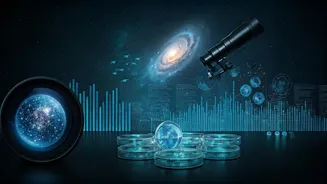
This trend is powered by technology. The smartphone in your pocket is a powerful scientific instrument, equipped with a camera, GPS, and an internet connection. This has given rise to a host of projects where citizens can contribute valuable data. Platforms like the India Biodiversity Portal allow users to upload photos of plants and animals, helping scientists map the country's rich biodiversity. In urban areas, communities are using simple kits to monitor air and water quality, creating datasets that can hold local bodies accountable. The scale can be global, too. Zooniverse, a massive online platform, lets volunteers classify distant galaxies, transcribe historical weather records, or identify wildlife in camera trap images from across the world—tasks that would take researchers decades to complete on their own.
Why is This Happening Now?
Three major forces are driving this shift. First, the sheer scale of modern scientific questions. Problems like climate change, biodiversity loss, and understanding the human brain require massive amounts of data—far more than any single research institution can gather. Crowdsourcing is a practical solution. Second, as mentioned, is technology. The internet makes it possible to coordinate and train volunteers globally, while apps simplify the process of data collection. Third, there's a growing desire for participation. People are no longer content to be passive consumers of information; they want to be involved, to contribute to causes they care about, and to understand the world around them in a more direct way. Citizen science provides a perfect avenue for this.
The Benefits and the Hurdles
The advantages are immense. It democratises science, breaks down the walls between experts and the public, and fosters a more scientifically literate society. For researchers, it provides an unprecedented amount of data at a relatively low cost. However, it’s not without its challenges. Ensuring data quality is a major concern. How do you make sure the data collected by thousands of non-experts is accurate and reliable? Projects often tackle this through clever design: cross-verification (having multiple people look at the same data), providing clear training tutorials, and using algorithms to flag unusual entries. There are also ethical considerations, such as giving proper credit to volunteers and ensuring their data is used responsibly.