





Why Your Fuel Bill is Going Up
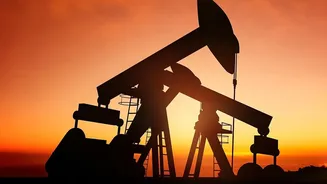
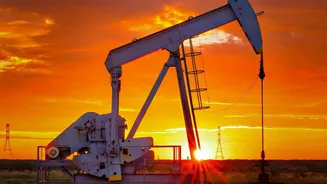
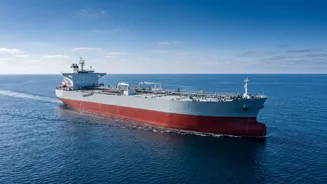
India imports over 85% of its crude oil, making it highly vulnerable to international price swings. When global prices rise due to geopolitical tensions, supply cuts, or increased demand, the cost for Indian oil marketing companies goes up. These companies then
pass on the higher cost to consumers, leading to a direct increase in petrol and diesel prices at the pump. Recent volatility has seen petrol prices cross the ₹100 mark in major cities like Delhi and Mumbai, putting immediate pressure on household budgets.
A Pricier Daily Commute
The most immediate and noticeable effect for many is on daily transportation. The auto-rickshaws, taxis, and app-based cabs that millions rely on are all powered by petrol, diesel, or CNG. As these fuel costs rise, transport operators face higher daily expenses. To maintain their earnings, many have no choice but to increase their fares. This can manifest as higher per-kilometre rates or increased base fares. In cities like Mumbai and Delhi, transport unions have already begun demanding fare hikes to offset the rising price of CNG and other fuels.
The Knock-On Effect for Air Travel
It's not just ground transport that feels the pinch. Airlines are massive consumers of fuel, with Aviation Turbine Fuel (ATF) being one of their biggest operating costs. A sharp rise in crude oil prices leads directly to more expensive ATF. Airlines, already operating on thin margins, often pass this extra cost onto passengers in the form of higher ticket prices or fuel surcharges. Even though demand for air travel remains strong, sustained high fuel costs can make both domestic and international flights significantly more expensive, potentially forcing airlines to reduce capacity on certain routes.
The Hidden Costs in Your Shopping Basket
The impact of rising oil prices extends far beyond travel. Diesel is the lifeblood of India's logistics network, powering the trucks that transport everything from fresh vegetables and milk to electronics and clothing across the country. When diesel becomes more expensive, the cost of transporting these goods rises. Initially, businesses might absorb these costs, but eventually, they are passed on to the consumer. This means you could end up paying more for groceries, clothes, and other essential items, contributing to broader economic inflation. Economists refer to this as a 'cost-push' inflationary effect, where the final price of goods is pushed up by rising production and transport expenses.