
1. Zermatt and the Matterhorn
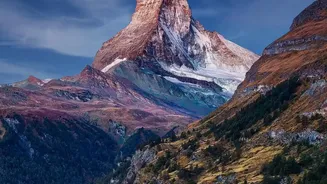
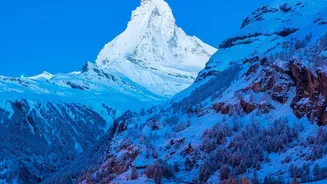
The instantly recognizable peak of the Matterhorn makes Zermatt a bucket-list destination. This car-free village buzzes with activity, particularly from July to August when hiking trails are clear and the weather is most reliable. The population of around
6,000 residents can swell to over 30,000 during peak season, with visitors eager to ride the Gornergrat railway or the cable car to Glacier Paradise for unparalleled views. The trade-off for these world-class panoramas is that you’ll be sharing them. To escape the biggest crowds, take the first train or cable car of the morning. By the time the mid-morning rush arrives, you’ll have already enjoyed the best light and a sense of tranquility. Zermatt has one of the highest tourism intensities in the country, meaning the number of visitors compared to locals is extremely high.
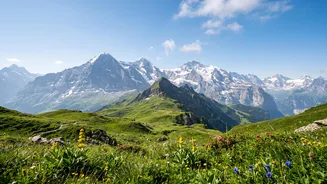
2. The Jungfrau Region
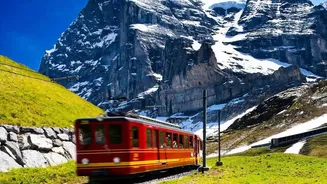
Interlaken, Grindelwald, and Lauterbrunnen serve as gateways to the majestic Eiger, Mönch, and Jungfrau mountains. This region is exceptionally popular, leading to crowded trains to Jungfraujoch—Top of Europe, and long waits for adventure activities at Grindelwald First, where queues for the Flyer or Mountain Carts can last hours. The village of Lauterbrunnen, set in a valley with 72 waterfalls, can feel overwhelmed with day-trippers, and traffic can become an issue. While weekends are busiest, even weekdays in July and August see heavy tourist traffic. For a quieter experience, consider staying in less-frequented villages like Isenfluh or Beatenberg, which offer stunning views without the same level of congestion.
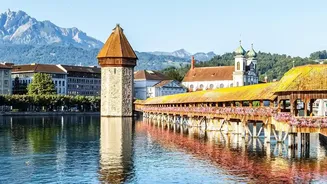
3. Lucerne’s Old Town and Chapel Bridge
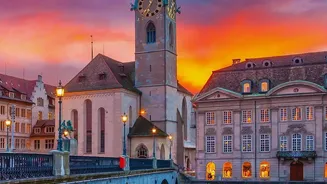
Lucerne is the quintessential Swiss city, famed for its medieval architecture and lakeside setting. Its centerpiece, the Chapel Bridge (Kapellbrücke), is one of the oldest wooden bridges in Europe and a magnet for tourists. On a typical day, thousands of people cross the bridge, making a midday stroll a slow-moving procession. In recent years, the city has seen record tourist numbers, causing authorities to explore measures to manage the flow of visitors. To experience its charm without the shoulder-to-shoulder shuffle, visit early in the morning. At 7 a.m., the bridge is peaceful and you can admire its 17th-century interior paintings without interruption. After 10 a.m., the area around the bridge and the nearby Schwanenplatz becomes a hub for tour groups.
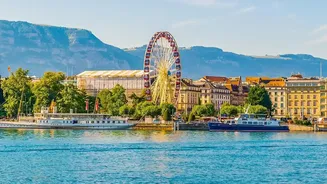
4. Geneva's Bustling Lakefront
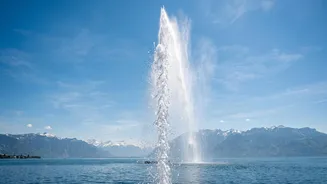
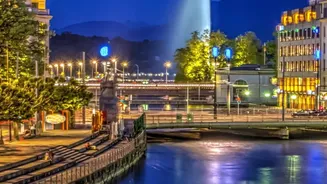
From June to August, life in Geneva revolves around its magnificent lake. The lakefront promenade, home to the iconic Jet d'Eau, becomes a hive of activity. Crowds flock to popular swimming spots like the Bains des Pâquis and the Plage des Eaux-Vives, especially when temperatures soar. While the city's international organizations and banks may slow down for the August recess, the lakefront remains packed with both locals and tourists enjoying the long summer evenings. Major events like the mid-August 'Genève Genève' festival can draw hundreds of thousands of people to the harbor for nightly shows, creating a vibrant but crowded atmosphere. The areas around the Flower Clock in the Jardin Anglais are also known pickpocketing hotspots during these busy times. For a more relaxed experience, take a morning swim before the crowds arrive or enjoy a lake cruise to feel the scale of the water without being in the thick of the throng on the shore.
5. Montreux and Château de Chillon
Located on the eastern shore of Lake Geneva, Montreux is famous for its mild microclimate, flower-lined promenade, and the world-renowned Montreux Jazz Festival in July. Its star attraction is the medieval Château de Chillon, an island castle that appears to float on the lake. As one of Switzerland's most visited historic monuments, the castle can feel congested, particularly during the peak summer months. Tour groups and individual visitors fill its courtyards and narrow passages, making it wise to book tickets online in advance and arrive early to avoid the longest lines. The city itself becomes extremely busy during the Jazz Festival, with accommodation prices peaking and crowds filling the streets. Visiting in the shoulder seasons of late spring or early autumn can provide a much calmer, though still beautiful, experience of the Swiss Riviera.