




The Modern Morning Problem
For many working professionals and busy families across India, the first meal of the day has become a casualty of modern life. Traditional breakfasts, while nutritious, often require time that simply isn't available. The result is often skipping the meal entirely
or grabbing a convenient but carbohydrate-heavy option like biscuits or toast. While quick, these choices often lead to a mid-morning energy crash and persistent hunger, setting a sluggish tone for the rest of the day. This has created a demand for a breakfast that is not only fast but also functionally effective, capable of powering through a demanding morning. People are no longer just eating to eat; they are eating for performance.
Why Protein Is the Answer
Enter protein, the macronutrient that has become the hero of the breakfast table. Its popularity is rooted in solid nutritional science. A breakfast rich in protein helps to stabilise blood sugar levels, preventing the sharp spikes and subsequent crashes associated with high-carb meals. This leads to more sustained energy and better mental focus throughout the morning. Furthermore, protein is highly satiating. It helps regulate hunger hormones, such as ghrelin, making you feel fuller for longer and reducing the urge to snack on unhealthy options before lunch. Studies suggest aiming for at least 20-30 grams of protein at breakfast to reap these benefits, a significant jump from the 5-10 grams found in many typical Indian breakfasts.
From Traditional Twists to Modern Mixes
The great thing about this trend is that it accommodates both traditional tastes and modern convenience. Indian kitchens are already rich with high-protein options that are making a comeback. Moong dal chilla, paneer bhurji, and sprouts chaat are all excellent, naturally protein-dense choices. A couple of moong dal chillas can provide up to 20 grams of protein, while 100 grams of paneer in a scramble offers a similar amount. These dishes can be prepared quickly, especially with a little prep work like soaking dal or having paneer on hand. On the other end of the spectrum, the food industry has responded enthusiastically. Supermarket shelves are now filled with high-protein muesli, oats, protein bars, and even instant mixes for idli and dosa fortified with plant-based protein. These products cater directly to the time-crunched consumer who wants a guaranteed protein count without the guesswork.
Making Smart Choices
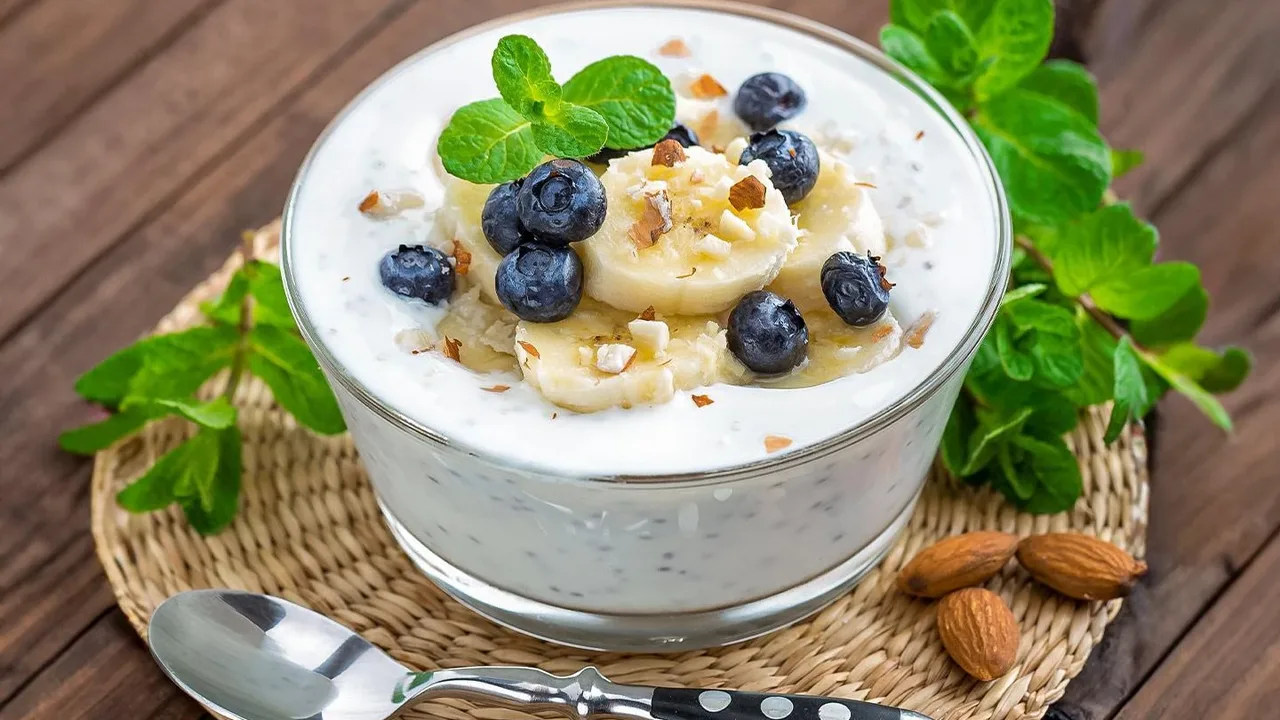
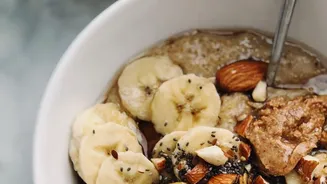
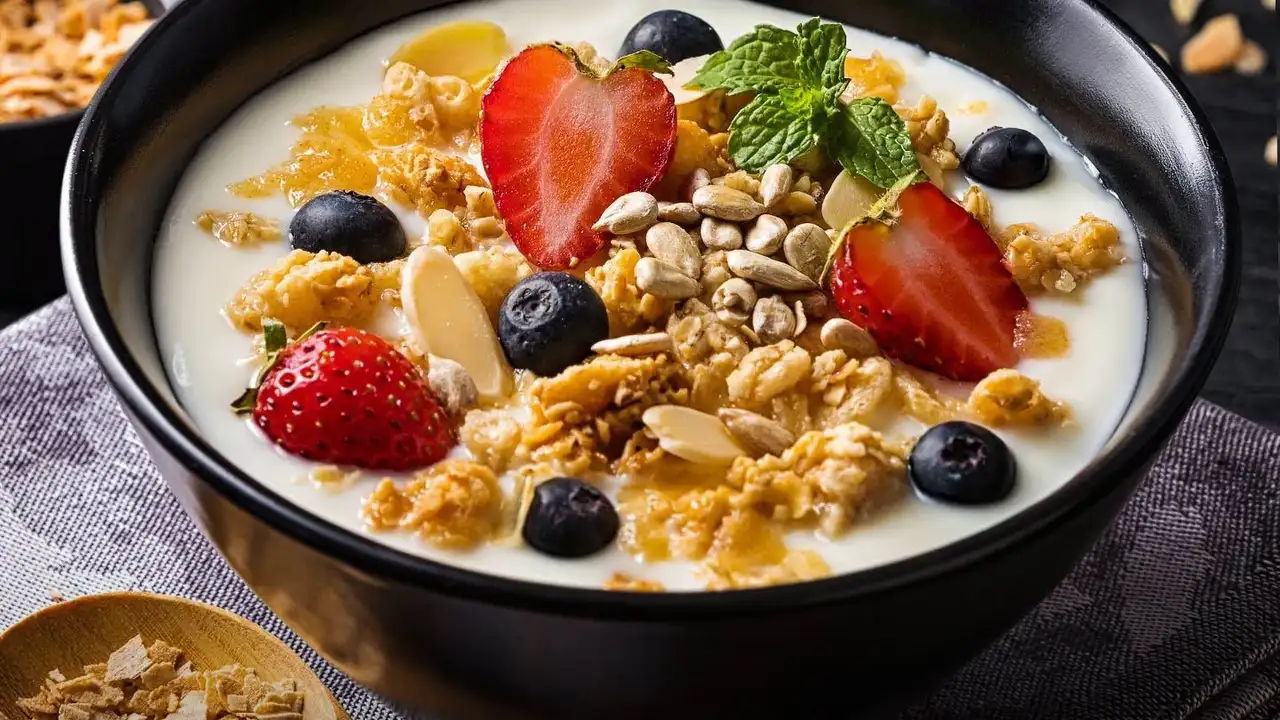
While the focus on protein is beneficial, nutrition experts advise a balanced approach. It’s not just about maximising protein intake but ensuring the overall quality of your meal. A high-protein breakfast should still include fibre and healthy fats for optimal nutrition. For instance, pairing eggs with whole-grain toast or adding nuts and seeds to a bowl of Greek yogurt creates a more complete meal. When opting for packaged products, it's wise to read the labels. Look out for added sugars, sodium, and preservatives. A 'high-protein' label doesn't automatically mean a product is healthy. The goal is to find options that are both convenient and genuinely nourishing, fitting into a balanced diet rather than replacing whole foods entirely.