






The Humidity Paradox: Why Skin Still Needs Hydration
It’s a common misconception that humid air is enough to keep your skin hydrated. While the air has plenty of moisture, this doesn't automatically translate to hydrated skin. [5] In fact, humidity can make you sweat more, and this combination of sweat,
excess oil, and airborne pollutants can clog pores and lead to breakouts. [1, 5, 20] Furthermore, this slick feeling on the surface can mask underlying dehydration. [1, 5] When you skip moisturiser, your skin can lose water through a process called transepidermal water loss (TEWL), weakening its protective barrier. [5] A compromised barrier can't effectively retain moisture, which can ironically trigger your glands to produce even more oil to compensate, leading to a vicious cycle of oiliness and breakouts. [9]
Decoding the Labels: What to Look For
The key to comfort in humid weather is choosing the right formula. Your first line of defence is the product description. Look for keywords like "oil-free," "lightweight," and, crucially, "non-comedogenic." [3, 14] An oil-free moisturiser provides hydration without adding extra grease to your skin, which is essential when your own oil production is in overdrive. [17] The term non-comedogenic means the product has been formulated to not clog pores, a major benefit when heat and sweat can already lead to congestion. [3, 19] Fast-absorbing formulas are also your friend; if you can still feel the product sitting on your skin ten minutes after application, it's likely too heavy for a humid climate. [14]
Hero Ingredients for Humid Weather
Certain ingredients are exceptionally well-suited for humid conditions. Humectants are stars here, as they draw moisture from the air and pull it into your skin. [3] Look for Hyaluronic Acid, a powerhouse ingredient that can hold up to 1,000 times its weight in water, providing intense hydration without heaviness. [12, 16] Glycerin is another effective and common humectant. [2, 3] Niacinamide is a fantastic multi-tasker; it helps regulate oil production, calm inflammation, and support the skin barrier. [2, 4, 15] Ingredients like rice water and green tea extract can also be beneficial, offering soothing and antioxidant properties. [4, 15]
Gel, Lotion, or Cream? Choosing Your Texture
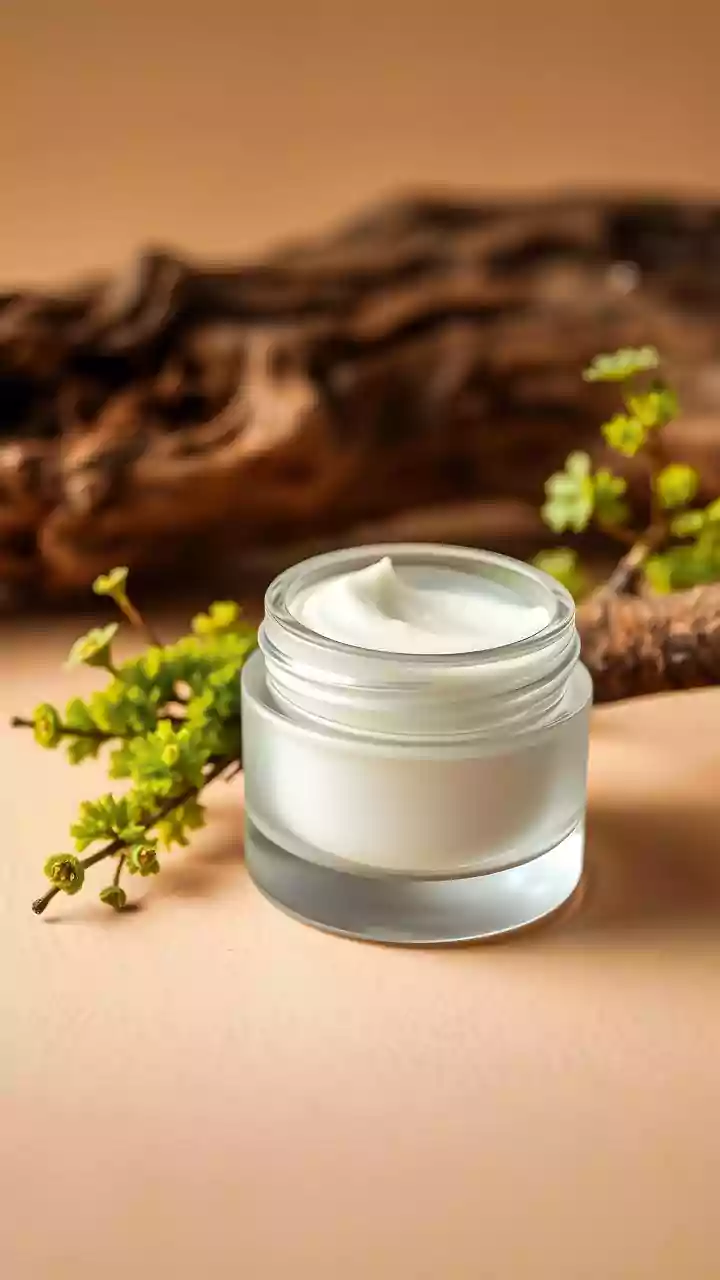
Texture is just as important as the ingredients. In a humid climate, lightweight textures are generally superior. Gel moisturisers are often the top recommendation for oily and combination skin in humid weather. [6, 7] They are typically water-based, absorb quickly, and provide a cooling sensation without leaving a greasy film. [8, 9] Gel-creams offer a slightly more substantial feel than a pure gel, combining hydration with a light, comfortable finish, making them great for normal or combination skin. [14] Lotions are lighter than creams and can also be a good option. [16] Rich, heavy creams, especially those with occlusive ingredients like petrolatum or heavy oils, are often too much for daytime use in the humidity, as they can trap heat and sweat, leading to discomfort and breakouts. [14, 10] However, those with very dry skin might still find a light cream necessary. [4]
Application Tips for Maximum Comfort
How and when you apply your moisturiser can make a significant difference. For best results, apply your moisturiser to slightly damp skin, ideally within a minute or two of cleansing. [1] This simple step helps to lock in hydration and allows the product to absorb more effectively. [10] You don't need to use a large amount; a small, pea-sized dollop is often sufficient for the entire face. Using less product ensures your skin can breathe. If you have combination skin, you can take a targeted approach by applying a gel-based formula to your oilier T-zone and a slightly richer lotion to drier areas like your cheeks. [9] And remember, even a lightweight moisturiser should be paired with a broad-spectrum sunscreen of at least SPF 30 during the day. [17]