



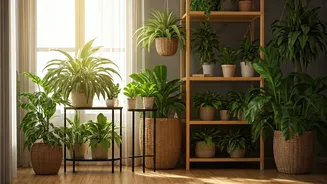


The Science of a Kinder Space
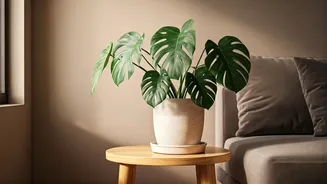
The idea that humans have an innate desire to connect with nature is known as the 'biophilia hypothesis'. In our urban jungles of concrete and glass, this connection is often lost, leading to feelings of stress. Bringing plants indoors is a simple way
to rekindle that bond. Studies have shown that interacting with indoor plants can lower stress hormones like cortisol, reduce anxiety, and improve your overall mood. Beyond the psychological boost, many common houseplants are also natural air purifiers. Research, including a famous 1989 NASA study, has identified plants that are effective at filtering out common indoor pollutants like formaldehyde and benzene, which can be present in synthetic materials and furnishings. While you'd need a large number of plants to completely purify a room, even a few can contribute to a fresher, more pleasant environment.
A Ritual of Care
The kindness plants bring isn't just passive. The act of caring for a living thing offers its own rewards. For many, the simple routine of watering, pruning, and checking on their green companions becomes a form of mindfulness. This gentle, focused activity can be a welcome distraction from digital screens and daily pressures, helping to ground you in the present moment. Watching a new leaf unfurl or a droopy plant revive with a bit of water provides a tangible sense of accomplishment and a connection to the cycles of life and resilience. This nurturing role adds a layer of purpose and life to your home that inanimate decor simply cannot match.
Your First Leafy Roommates
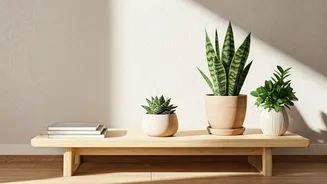
Choosing the right plant is key, especially in a small space and for beginners. Thankfully, many of the best options for Indian homes are famously low-maintenance. The Snake Plant, for instance, is nearly indestructible; it tolerates low light, needs infrequent watering, and its upright growth habit takes up very little floor space. Similarly, the ZZ Plant thrives on neglect in darker corners where other plants might struggle. For a touch of trailing beauty, the Money Plant (Pothos) is an Indian household favourite, capable of thriving in soil or a simple bottle of water and known for its air-purifying qualities. The Spider Plant is another excellent choice, perfect for beginners and great in hanging baskets, effectively removing pollutants like carbon monoxide from the air.
Small Space, Big Impact
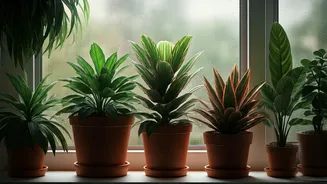
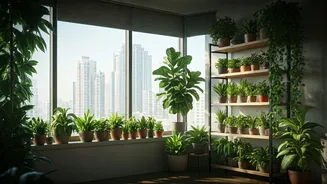
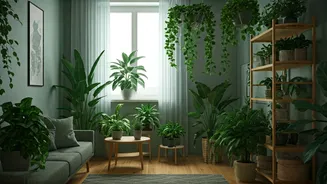
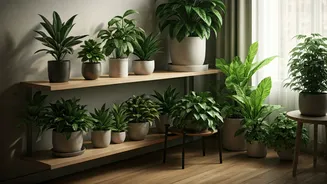
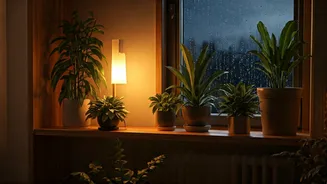
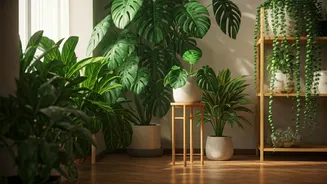
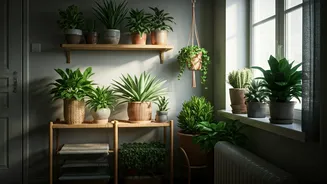
When floor space is a premium, the only way to go is up. Vertical gardening is a game-changer for small apartments. Using hanging planters for trailing plants like Pothos or Spider Plants immediately draws the eye upward, making a room feel taller and more open. Floating shelves or tiered plant stands allow you to group several small plants together, creating a lush focal point without a large footprint. Even a sunny windowsill can become a miniature garden for herbs or succulents. Don't be afraid to think creatively: a bar cart can become a mobile plant station, or wall-mounted planters can turn a blank wall into a piece of living art. The key is to use the vertical and unused spaces in your home.
A Plant for Every Room
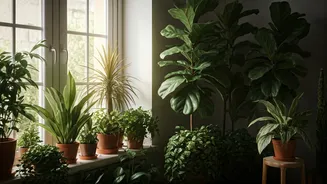
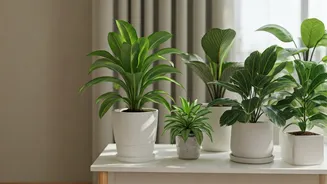
Different rooms have different conditions, and you can choose plants to match. The humid environment of a bathroom is perfect for a Peace Lily or a Boston Fern, both of which also excel at cleaning the air. The Snake Plant is an ideal bedroom companion, as it is one of the few plants that releases oxygen at night. In the kitchen, a pot of Aloe Vera on the windowsill is not only decorative but also practical, as its gel can soothe minor burns. For living rooms and workspaces, a cluster of different plants like Areca Palms, Rubber Plants, and Peace Lilies can create a calming, resort-like feel while helping to boost focus and creativity.