

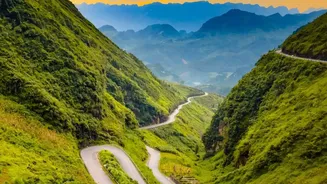
For decades, Shimla has been the go-to escape for mountain air and colonial charm. But with fame comes crowds, traffic, and a bustling vibe that can feel far from a peaceful retreat. Enter Arunachal Pradesh, India's easternmost frontier.
The Shimla Scene: A Familiar Story
Shimla, the 'Queen
of Hills', holds a special place in the hearts of Indian travellers. Its Mall Road, the Ridge, and Christ Church are iconic landmarks etched in memory. However, in recent years, this beloved hill station has become a victim of its own success. Peak seasons bring overwhelming crowds, traffic jams stretching for kilometres, and a level of commercialisation that has eroded its quaint charm. Reports show a massive spike in domestic tourism, with infrastructure struggling to keep up with the sheer volume of visitors. For those seeking the quiet solitude that mountains promise, the Shimla experience can now feel more like a congested city marketplace than a serene getaway.
Arunachal Pradesh: India's Last Frontier
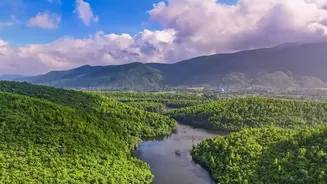
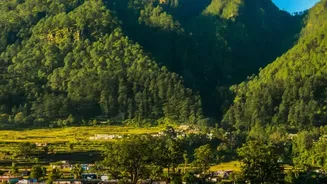
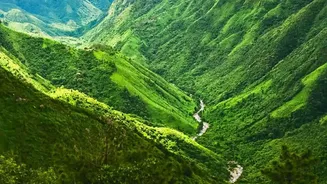
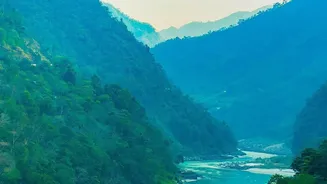
In stark contrast, Arunachal Pradesh remains one of India's least explored states. Its remoteness, rugged terrain, and the requirement for an Inner Line Permit (ILP) for domestic tourists have kept mass tourism at bay, preserving its pristine beauty. This is not a destination for a spontaneous weekend trip; it demands planning. But the reward is an unparalleled sense of discovery. Instead of crowded viewpoints, you find vast, silent valleys, mist-covered mountains, and a genuine connection with nature that has become rare in more accessible hill stations. The journey itself, often spanning a couple of days by road from gateways in Assam, is part of the adventure.
Tawang: Spiritual Grandeur in Solitude
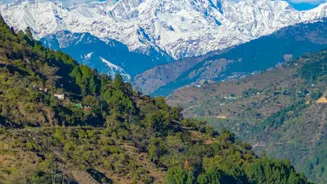
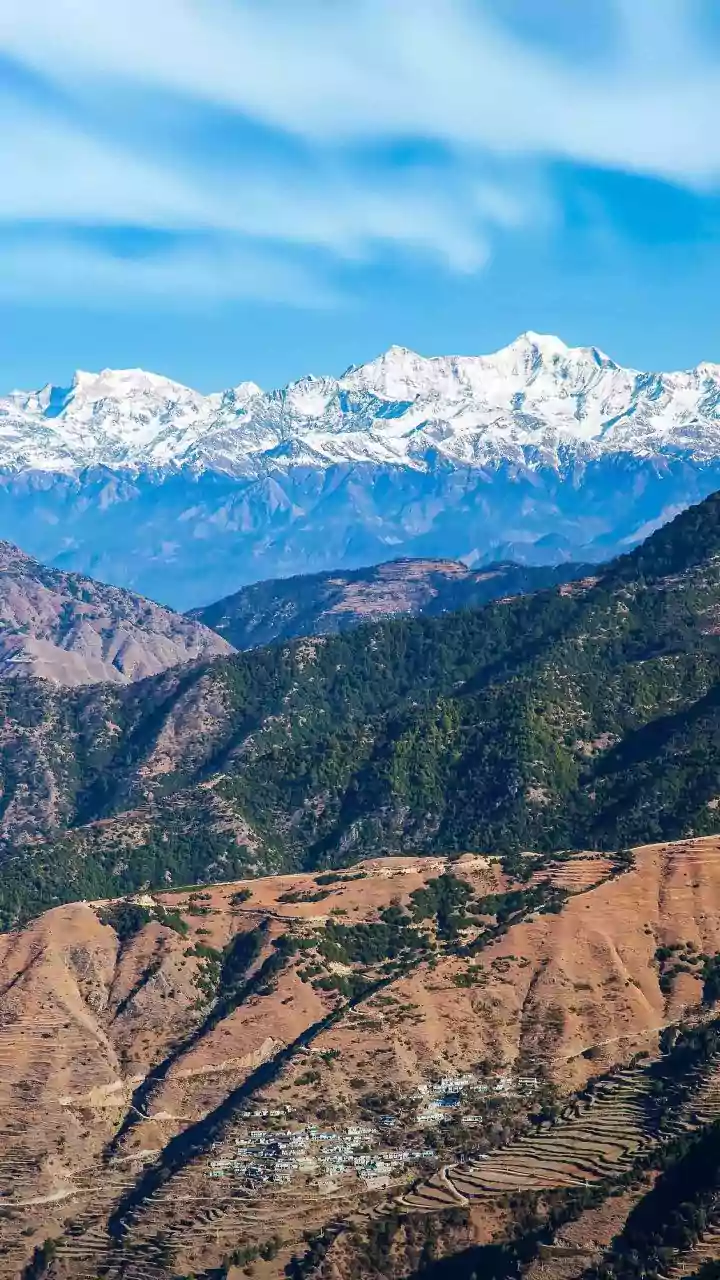
Perched at an altitude of about 10,000 feet, Tawang is perhaps Arunachal's most famous destination, yet it feels worlds away from Shimla's hustle. Home to India's largest monastery, the 17th-century Tawang Monastery, the town offers breathtaking views of snow-capped peaks and a profound sense of peace. The journey to Tawang is an epic in itself, typically taking two days by road from Assam, crossing the dramatic Sela Pass. While Tawang is a key spiritual and tourist hub, its remoteness ensures it never reaches the suffocating density of places like Mall Road. Here, the loudest sound is often the flutter of prayer flags in the wind.
Ziro Valley: A Tapestry of Green and Culture
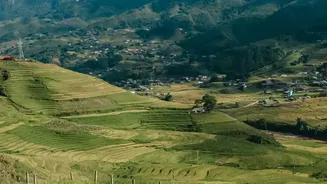
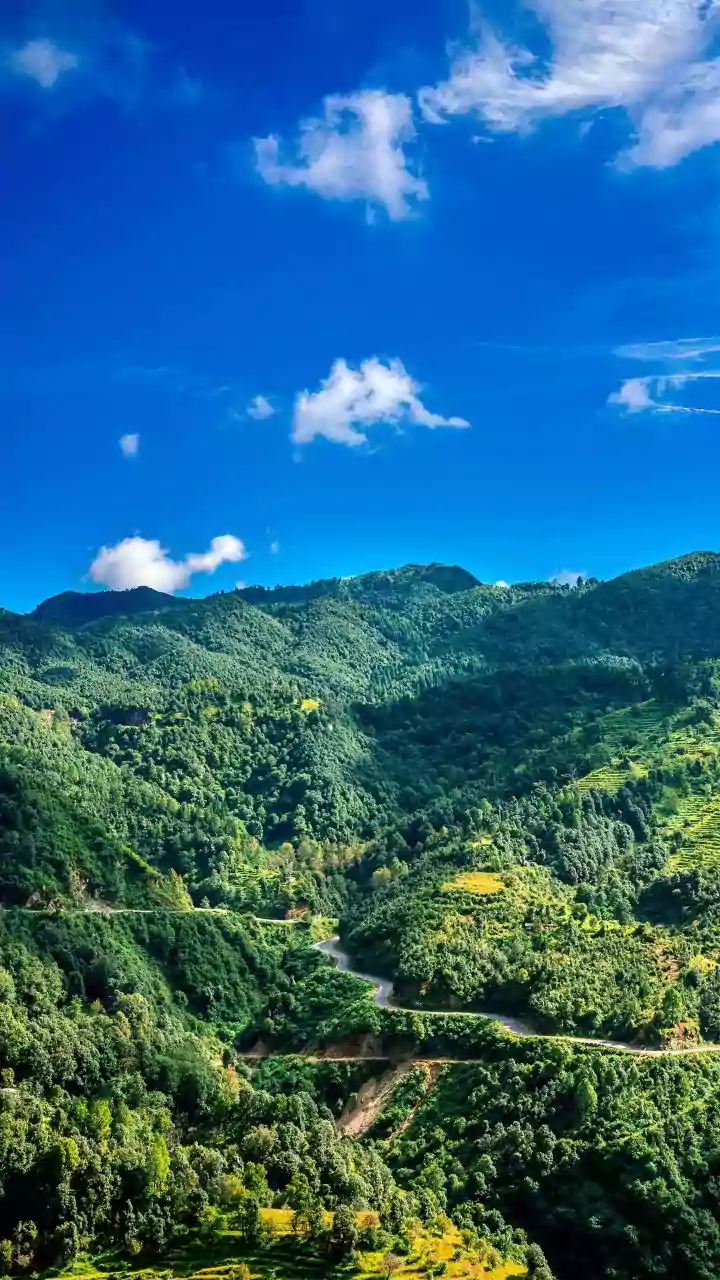
Recognised as a UNESCO World Heritage tentative site, Ziro Valley offers a different kind of mountain experience. There are no high passes or snow chases here; instead, you find a serene landscape of sprawling rice fields, pine-clad hills, and the unique culture of the Apatani tribe. Ziro is renowned for its sustainable paddy-cum-pisciculture system and tranquil villages where life moves at a slower pace. While the Ziro Festival of Music brings a temporary influx of visitors, for the rest of the year, the valley is a haven of peace, perfect for those who want to walk through villages, explore forests, and disconnect completely.
Mechuka: The 'Forbidden Valley' Beckons
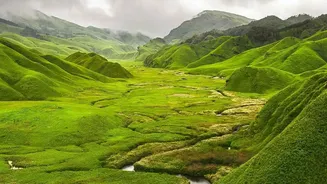
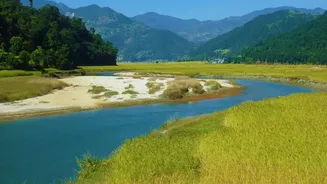
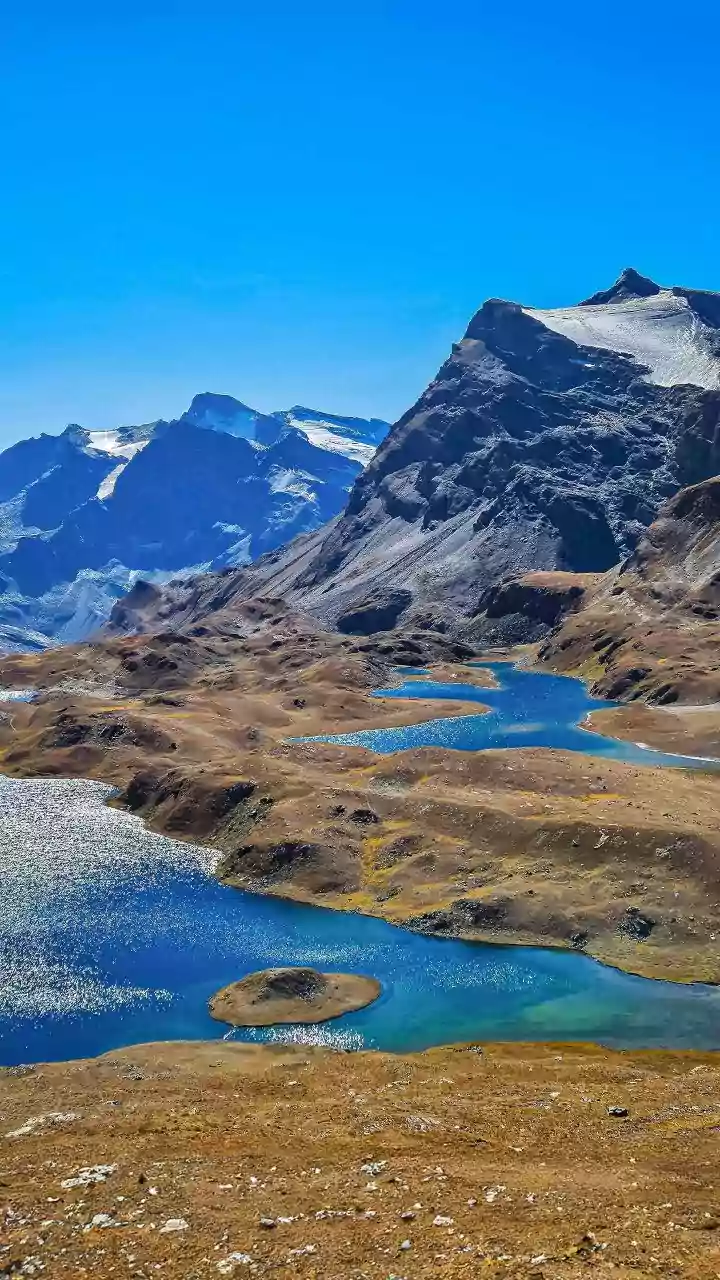
For the truly adventurous soul, there is Mechuka. Also known as Menchukha, this incredibly picturesque valley lies close to the Indo-Tibet border and was, until recently, largely inaccessible. Its wide, grassy river basin, traditional wooden houses, and the 400-year-old Samten Yongcha monastery give it an end-of-the-road feel. The journey to Mechuka is long and demanding, usually requiring an overnight stop at Aalo after reaching Dibrugarh in Assam. The reward for this effort is a landscape so untouched and quiet that it feels like stepping into another time. With few tourists, the Siyom River, hanging bridges, and local villages are yours to explore in near-total solitude.
Planning Your Arunachal Escape
A trip to Arunachal Pradesh requires forethought. All Indian tourists who are not state natives must obtain an Inner Line Permit (ILP). The easiest way to apply is through the official eILP portal online before your trip. Permits are typically issued for up to 14 or 15 days. Most journeys begin from Assam, with Guwahati and Dibrugarh serving as the primary air and rail hubs, followed by multi-day road trips into the mountains. Unlike Shimla, accommodation is more about cozy homestays and basic guesthouses than large luxury hotels. This adds to the authentic, immersive experience of discovering India's quiet corner.