

The Forecast: A Weaker Withdrawal
The southwest monsoon has been erratic this year, with overall rainfall deficits already recorded. Meteorological agencies are now predicting that the withdrawal phase of the monsoon in September could see below-normal rainfall, potentially influenced
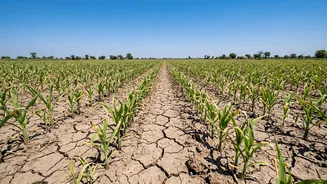
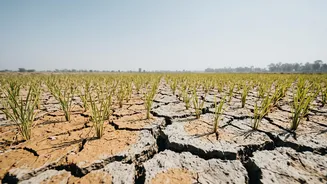
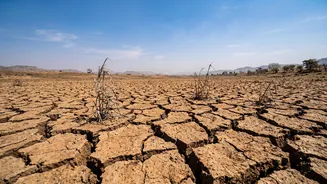
by strengthening El Niño conditions. This isn't just about less rain; it's about the timing. September rains are crucial for the maturation of standing Kharif crops and for providing essential moisture to the soil ahead of the Rabi (winter) crop sowing season. A deficit now means that crops at their final growth stage could be stressed, and the foundation for the next agricultural cycle could be weakened.
Kharif Crops at a Crucial Stage
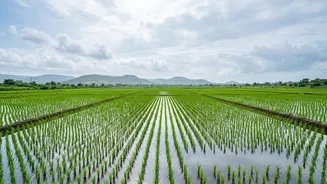
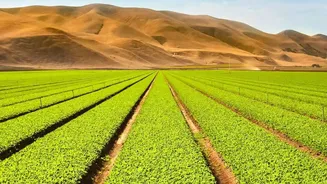
Many Kharif crops, including rice, soybeans, cotton, and pulses, are in their critical grain-filling or maturation stages in September. A lack of rainfall during this period can directly impact yield and quality. Paddy cultivation, for instance, has already seen a decline in sown area compared to last year in states like Karnataka, Telangana, and Odisha due to uneven rains. For rain-fed farms, which constitute a significant portion of Indian agriculture, a dry spell now could be particularly damaging. Farmers should monitor their standing crops for signs of moisture stress and be prepared for potential increases in pest attacks, which can be exacerbated by fluctuating weather conditions.
Reservoir Levels and Water Management
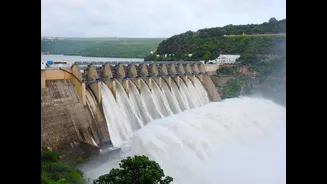
The monsoon doesn't just water the current crop; it replenishes India's major reservoirs, which are vital for irrigation, drinking water, and hydropower. As of late August 2026, storage levels in major reservoirs were already reported to be about 18% below the previous year's levels, with significant deficits in the southern and northern regions. While recent rains have provided some relief, the overall storage is still concerning. A drier September will put further pressure on these reserves. This is a key indicator to watch, as low reservoir levels will directly affect water availability for the upcoming Rabi season, which heavily relies on irrigation.
Soil Moisture for Rabi Sowing
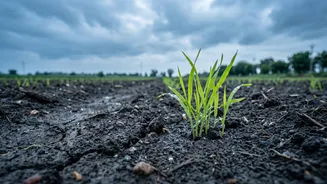
The success of the Rabi sowing season, which typically begins in October, is highly dependent on the moisture left in the soil by the retreating monsoon. Crops like wheat, mustard, and chickpeas need adequate soil moisture for germination. A dry September could lead to a lack of this crucial residual moisture, forcing farmers to either delay sowing or rely more heavily on irrigation, which increases costs and is dependent on already strained water reservoirs. Farmers in rain-fed areas might have to reconsider their Rabi crop choices, possibly opting for more drought-tolerant varieties or alternative crops. Agricultural advisories will be crucial in guiding these decisions.
Market and Government Signals
A weak end to the monsoon can have a significant impact on market dynamics and food prices. Farmers should keep a close watch on commodity prices in their local mandis. A potential drop in Kharif yields could lead to price volatility. Furthermore, the government's response will be critical. Watch for announcements regarding Minimum Support Prices (MSP) for Rabi crops, advisories from agricultural departments, and any potential relief measures for drought-affected areas. These signals can provide important guidance for making informed financial and cropping decisions for the months ahead.