





The Obvious Danger: Direct Water Contact
The most straightforward risk during the rainy season is direct water exposure. Rain can enter through open windows or leaky roofs, coming into contact with televisions, chargers, and power outlets. Water is an excellent conductor of electricity, and when
it meets a live circuit, it can cause a short circuit. This can permanently damage the appliance, create a fire hazard, or pose a serious risk of electric shock. It is crucial to ensure all electrical devices are kept far from windows, balcony doors, and any areas prone to leaks. Similarly, never handle or plug in any electrical device with wet hands or while standing on a wet floor.
The Silent Threat: High Humidity
Even without direct rain, the high humidity that accompanies the monsoon season is a silent threat to your electronics. Moisture in the air can infiltrate the internal components of devices. This leads to condensation on circuit boards, which can cause corrosion, rust, and the slow degradation of delicate metal parts. Over time, this corrosion can lead to poor connections, short circuits, and complete equipment failure. Electronics operate best within a specific humidity range, typically 40-60%. The consistently high humidity during monsoon, often well above 70%, creates an environment where internal components can gradually break down without any visible signs of damage until it's too late.
Power Surges and Lightning's Hidden Reach
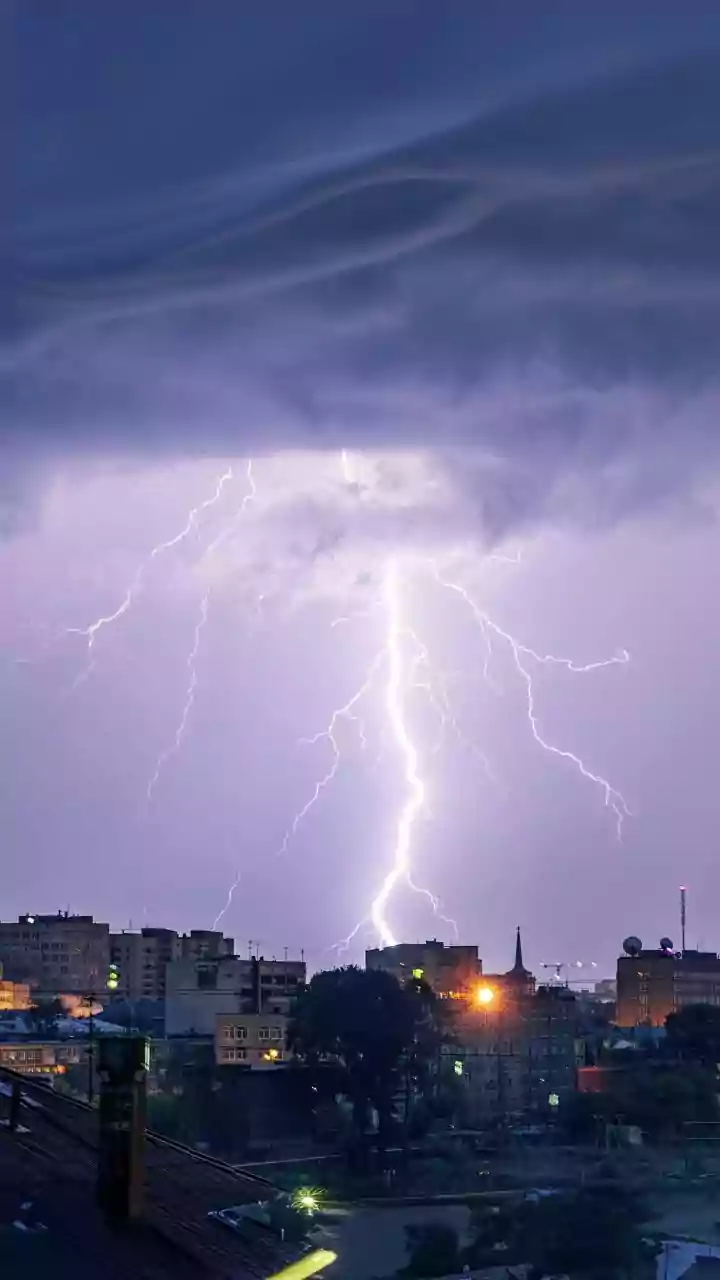
Thunderstorms are a hallmark of the rainy season, and with them comes the danger of lightning. A nearby lightning strike can send a massive power surge through electrical lines, far exceeding the normal voltage your appliances are designed to handle. This sudden spike can instantly fry the sensitive circuitry in televisions, computers, refrigerators, and more. Even small, repeated surges from an unstable grid can degrade components over time, shortening their lifespan. It's a common misconception that a direct strike is needed to cause damage; a strike near a power line is enough to send a destructive surge into your home.
Unstable Grids and Voltage Fluctuations
Rainy weather often puts a strain on the electrical grid. Heavy rain, falling trees, and increased power demand from air conditioners can lead to an unstable power supply. This results in voltage fluctuations—sudden dips and spikes in power—that can be very harmful to electronics. Low voltage can cause motors in appliances like refrigerators and ACs to struggle and overheat, while high voltage can burn out circuits. Flickering lights are often a visible sign of these fluctuations, indicating that your appliances are being subjected to stressful power conditions.
Essential Protective Measures for Your Home
Protecting your electronics requires a proactive approach. The most effective step against power surges is to use surge protectors for all valuable electronics. These devices divert excess voltage away from your appliances. For comprehensive protection, consider a whole-home surge protector installed at your main electrical panel. During severe thunderstorms, the safest action is to unplug non-essential devices like TVs, computers, and chargers. Inspecting your home's wiring for any damage and ensuring proper earthing are also critical pre-monsoon checks that can prevent serious mishaps.
Managing Humidity and Daily Habits
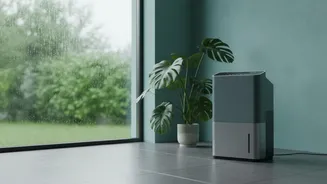
To combat humidity, ensure your rooms are well-ventilated. Using a dehumidifier can help maintain a safe moisture level in the air for your most sensitive or expensive equipment. Avoid moving devices between a cool, air-conditioned room and the humid outdoors, as this can cause condensation to form internally. Simple habits, such as never overloading power sockets and using extension cords with built-in overload protection, add another layer of safety. Regular inspection of outdoor electrical points for weatherproofing can also prevent water from seeping into your home's electrical system.