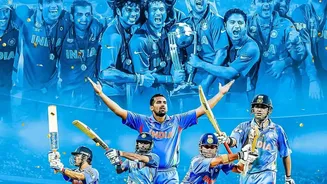




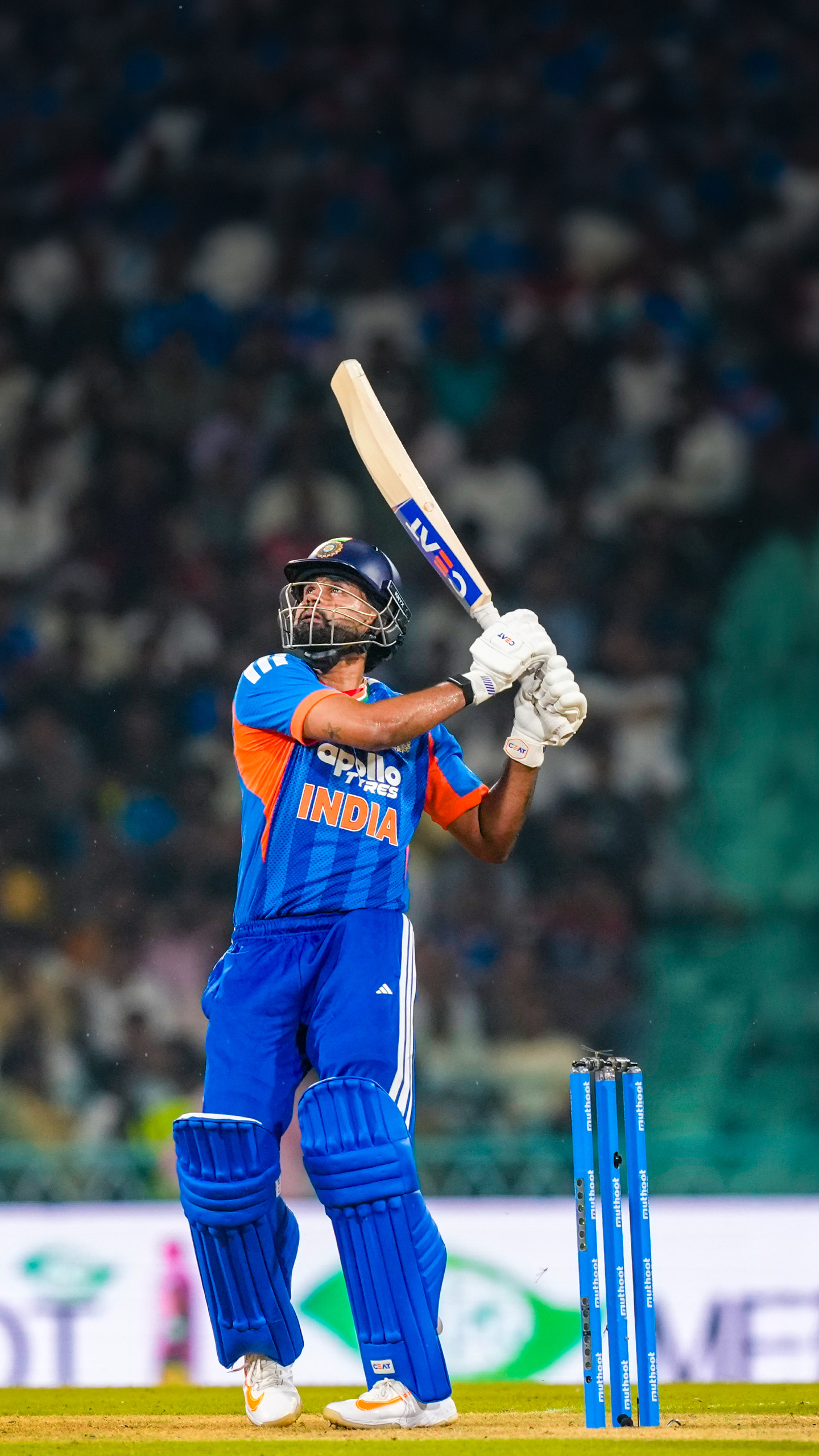

Not long ago, Indian cricketers were modestly paid sportsmen. Today, they are multi-crore brands and savvy entrepreneurs. This transformation wasn't just driven by on-field success, but by the revolutionary power of endorsement deals.
The Age of Modest Deals
Before the 1990s,
a cricketer's earnings were largely limited to their match fees. Endorsements were rare and modest. While pioneers like C.K. Nayudu endorsed a liver tonic back in 1941, and Sunil Gavaskar and Kapil Dev lent their faces to brands like Dinesh Suitings and Palmolive in the 70s and 80s, these deals were not life-altering. Gavaskar was one of the first to demand serious money, paving the way for future stars, but the ecosystem for massive wealth creation did not yet exist. Cricketers travelled by train for tournaments and lived relatively humble lives compared to the superstars of today. The idea of a player earning more from a logo on their bat than their salary was unthinkable.
The Tendulkar Revolution
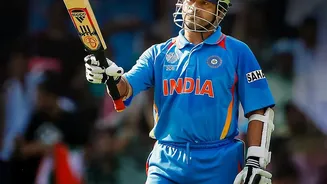
The game-changer arrived in the form of Sachin Tendulkar. As India's economy opened up in the 1990s, so did the market for celebrity branding. Tendulkar's phenomenal talent coincided perfectly with this new commercial era. In 1995, his agent Mark Mascarenhas negotiated a groundbreaking five-year deal with WorldTel, reportedly worth around ₹45 crore, a figure unheard of at the time. This deal revolutionized sports marketing in India. When it was renewed in 2001, it reportedly soared to a staggering ₹100 crore, cementing 'Brand Sachin' as a national phenomenon. For the first time, a cricketer's brand was managed professionally, with his agent ensuring that brand shoots never interfered with his game. This structure became the blueprint for every major player who followed.
The IPL Supercharges the Market
If Tendulkar opened the door, the Indian Premier League (IPL) blew it off its hinges. Launched in 2008, the IPL created a perfect storm of cricket, glamour, and commerce. It dramatically increased the earning potential for a much wider pool of players, not just the handful at the very top. Team sponsorships grew exponentially, with kit assets alone reaching a value of $67 million by 2024. With increased viewership, brands flocked to associate with IPL teams and players, leading to a surge in endorsement deals. The league became a platform where performance in a few short weeks could land a player a multi-crore advertising contract, turning cricketers from across the country into household names and sought-after brand ambassadors.
The Athlete as an Entrepreneur
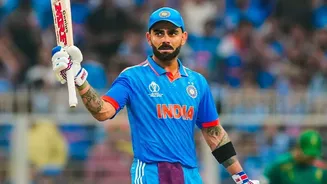
The modern era is defined by players who are not just endorsers but investors and entrepreneurs. Mahendra Singh Dhoni and Virat Kohli exemplify this shift. Dhoni, despite his relatively low social media profile, commands immense trust, making him a top endorser for over 70 brands with a brand value estimated at over ₹800 crore even years after his international retirement. He has strategically invested in everything from drone technology and EV mobility to his own lifestyle brand, SEVEN. Virat Kohli has taken this to another level. With a brand value reportedly over ₹1000 crore, he earns between ₹10-11 crore per endorsement campaign. His deal with Puma, valued at over ₹100 crore, was a first for an Indian sportsperson. Beyond endorsing brands like MRF and Myntra, he is a partner in businesses like the restaurant chain One8 and clothing brand Wrogn, building a formidable empire beyond the cricket pitch.
From Humble Beginnings to Lasting Legacies
For many players who come from humble backgrounds, this financial windfall is truly life-changing. MS Dhoni's journey from a ticket collector to one of the nation's wealthiest athletes is a celebrated tale. This wealth has allowed players to secure their families for generations, build dream homes, and invest in their passions. But the impact extends beyond personal luxury. Many top cricketers have become active philanthropists. Sachin Tendulkar has championed causes from polio eradication to sanitation, while Yuvraj Singh's YouWeCan foundation focuses on cancer awareness and treatment. This ability to give back on a massive scale is a direct consequence of the financial security that endorsement deals have provided.