
The Vegetable Factor
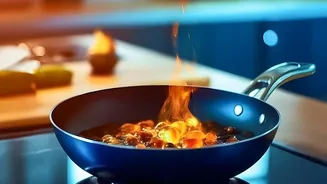
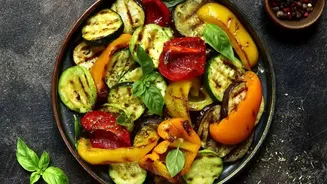
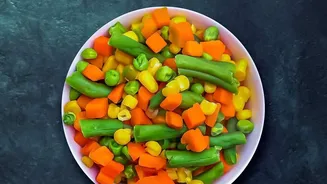
Vegetables are packed with water—some, like zucchini, mushrooms, and spinach, contain up to 95%. When you add heat, this water is released. If there’s too much of it in the pan at once, your vegetables will steam and turn soggy instead of searing and caramelizing.
This is a common reason why stir-fries end up watery. To combat this, give your veggies some space. Avoid overcrowding the pan, which traps steam. Cooking in smaller batches over high heat allows the moisture to evaporate quickly, promoting a beautiful, flavourful browning known as the Maillard reaction. For exceptionally watery vegetables like eggplant or squash, you can pre-salt them. Sprinkling salt on the cut surfaces and letting them sit for about 15 minutes will draw out a surprising amount of liquid, which you can then pat away before cooking.
The Marinade Dilemma
Marinades are fantastic for adding flavour and can help tenderize tougher cuts of meat through acids and enzymes. Because they often contain salt, they also help the meat retain moisture, acting like a brine. However, that same liquid can be the enemy of a good sear. For a steak or chicken breast to develop a deep brown crust, its surface must be dry. Water on the surface prevents the pan from reaching a high enough temperature for browning to occur; instead, the liquid will boil and steam the meat. The solution is simple: after marinating, pat your protein completely dry with paper towels before it hits the hot pan. You’ll still get all the flavour that penetrated the meat, but you’ll also achieve that delicious, crispy exterior that makes pan-seared dishes so satisfying.
The Lid Decision
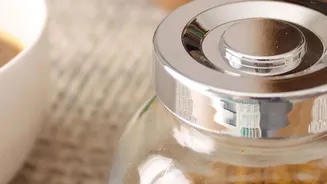
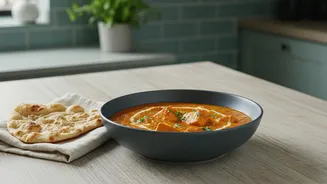
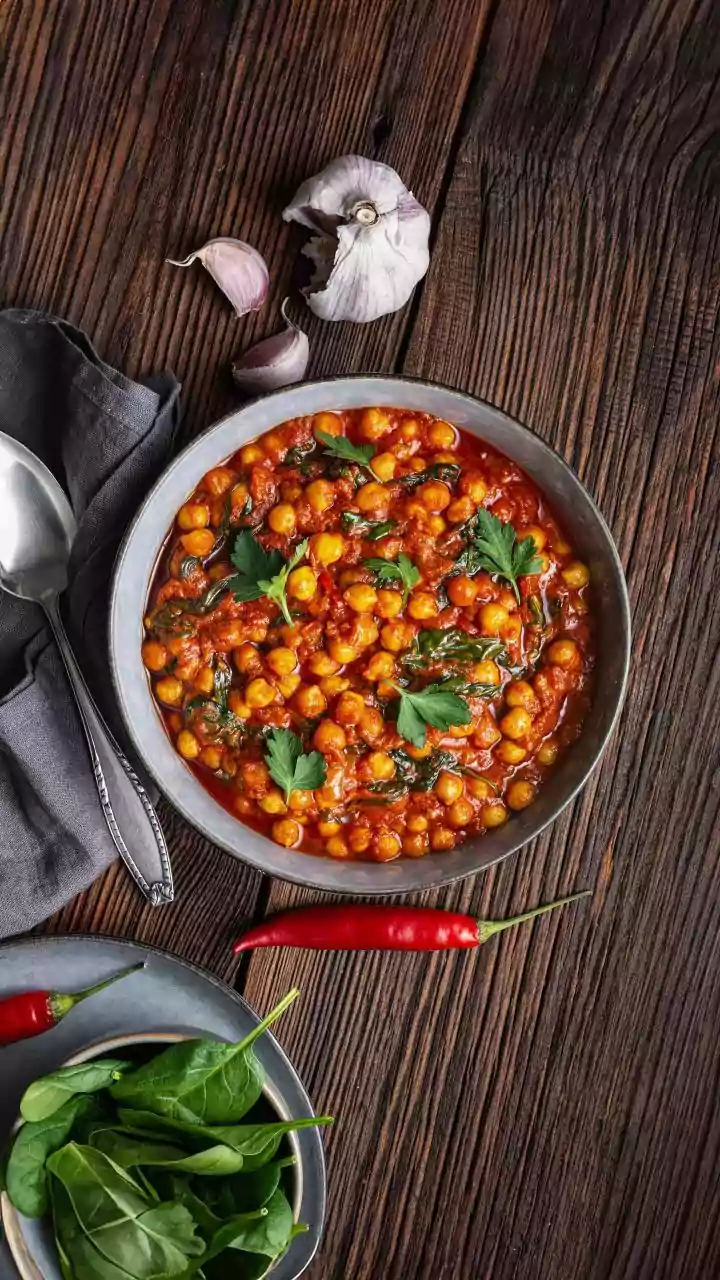
Deciding whether to cook with the lid on or off is a crucial choice that directly controls moisture and heat. Putting a lid on a pot traps steam. This is ideal when you want to retain moisture and cook food more quickly, such as when steaming vegetables, braising tough cuts of meat until they are tender, or simply bringing water to a boil faster. Conversely, cooking with the lid off allows steam to escape. This process of evaporation is essential when you want to reduce a sauce, soup, or curry, concentrating its flavours and thickening its consistency. If your goal is a crispy, browned, or caramelized surface—think roasted potatoes or pan-fried fish—leaving the food uncovered is non-negotiable. Trapped steam will prevent that desirable crust from forming.
Putting It All Together
Understanding these principles empowers you to control the final texture and flavour of your food. Think of moisture not as a problem, but as an ingredient you can adjust. For a flavourful stir-fry, use a very hot wok, cook in batches to avoid crowding, and ensure your vegetables are dry. For a rich, hearty stew, sear your meat and vegetables uncovered first to develop colour and flavour, then add your liquid and cover the pot to braise everything until tender. If the resulting sauce is too thin at the end, simply remove the lid and let it simmer to reduce. By consciously managing water content from your ingredients and your cooking method, you move from just following a recipe to truly understanding the craft of cooking.