



Cherrapunji, Meghalaya: The Abode of Clouds
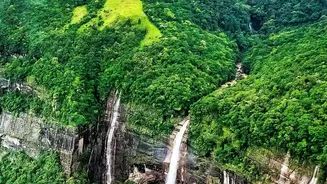
There's a reason Meghalaya is called 'the abode of clouds', and that reason is most apparent during the monsoon. Cherrapunji (also known as Sohra), once the wettest place on Earth, becomes a spectacle of nature's power. The rain here isn't a gentle drizzle;
it's a constant, life-giving force that turns the entire Khasi Hills into a vibrant, emerald paradise. Waterfalls like Nohkalikai and the Seven Sisters' Falls, which are modest trickles in the dry season, become thunderous cascades plunging into misty valleys. The famous living root bridges, masterpieces of bio-engineering, glisten with moisture, their surroundings thick with verdant growth. The air is heavy with the scent of wet earth, and clouds often drift at eye level, making a drive through the region feel like a journey through another world. For those who truly love the rain, Cherrapunji offers an immersive and dramatic experience unlike any other.
Munnar, Kerala: Tea Gardens in the Mist
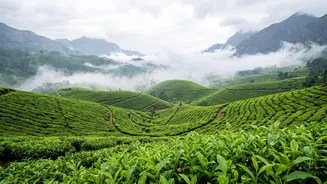
If you've only seen Munnar in winter, you've only seen half of its soul. During the monsoon, this Keralan hill station sheds its sunny disposition for a more romantic and mysterious cloak of mist. The rolling tea plantations, meticulously manicured, adopt a shade of green so deep and saturated it seems almost unreal. Waterfalls such as Attukad and Lakkam, fed by the constant showers, transform from gentle streams into powerful, roaring cascades that command attention. The atmosphere becomes peaceful and quiet, with fewer crowds than in the peak season. A drive along the winding roads reveals layers of fog drifting through the valleys, momentarily hiding and then revealing the breathtaking landscape. It’s the perfect setting to enjoy a hot cup of locally grown tea while watching the rain paint the world outside your window.
Coorg, Karnataka: The Scotland of India
Often called the 'Scotland of India', Coorg (Kodagu) in Karnataka becomes even more enchanting when the monsoon clouds gather. The region, famous for its sprawling coffee estates, is washed clean by the rains, leaving the leaves glistening and the air fragrant with the smell of wet earth and fresh coffee blossoms. The landscape is a study in green, with rolling hills disappearing into low-hanging clouds. The iconic Abbey Falls swells dramatically, its powerful cascade creating a thunderous roar that echoes through the surrounding spice plantations. A visit to Raja's Seat, a popular viewpoint, offers a stunning panorama of mist-filled valleys and vibrant green fields. While trekking can be slippery, the views of the rain-soaked Western Ghats are a worthy reward for the adventurous.
Lonavala & Khandala, Maharashtra: The Sahyadri's Monsoon Jewel
For residents of Mumbai and Pune, the arrival of the monsoon signals the time for a road trip to the twin hill stations of Lonavala and Khandala. During these months, the Sahyadri mountains undergo a dramatic transformation. Dry, brown hills turn into a lush, green paradise seemingly overnight. Countless seasonal waterfalls burst forth from the cliffs, lining the highways and trekking trails. Kune Falls, one of the tallest in Maharashtra, becomes a magnificent three-tiered cascade plunging over 200 metres. The overflowing Bhushi Dam is a popular spot where visitors can experience the rushing water up close. Viewpoints like Tiger Point offer breathtaking scenes of valleys filled with mist, and you might even witness the unique phenomenon of a 'reverse waterfall,' where strong winds push the water upwards.
Udaipur, Rajasthan: A Royal Romance with the Rain
Rajasthan might seem like an unlikely monsoon destination, but the rainy season lends a unique romanticism to the city of Udaipur. The parched Aravalli hills surrounding the city take on a surprising green hue, providing a soft backdrop to the majestic white palaces. The city's famous lakes, including Lake Pichola and Fateh Sagar Lake, fill to the brim, their surfaces reflecting the moody, overcast sky. A boat ride on the replenished lakes feels serene and magical. The aptly named Monsoon Palace (Sajjan Garh Palace), perched on a hill, was built specifically to watch the monsoon clouds roll in. From this vantage point, the panoramic views of the city's glistening palaces and swollen lakes are truly spectacular.
Valley of Flowers, Uttarakhand: A Himalayan Meadow in Bloom
Accessible only for a few months a year, the Valley of Flowers National Park in Uttarakhand is a destination that truly comes alive because of the monsoon. This UNESCO World Heritage Site transforms into a vibrant carpet of colour between July and September, when over 500 species of alpine flowers bloom in unison. The rains trigger this spectacular floral display, creating a landscape that feels almost otherworldly. Trekkers are rewarded with meadows blanketed in hues of pink, purple, blue, and yellow, with rare flowers like the Himalayan Blue Poppy and the Brahma Kamal making an appearance. The trek itself, though challenging during the rains, is incredibly scenic, passing through misty mountains, lush greenery, and pristine streams.
Goa: A Quieter, Greener Coast
While Goa is famous for its sunny beaches, the monsoon reveals a completely different and equally captivating side of the state. The usual crowds thin out, giving way to a more tranquil and serene atmosphere. The landscape, from the paddy fields to the forests of the Western Ghats, turns a brilliant, lush green. The off-season is the best time to witness the Dudhsagar Falls in its full, thunderous glory, as the rain swells the Mandovi River. Exploring the quiet lanes of Old Goa, with its rain-washed colonial architecture, feels like stepping back in time. Scenic drives through the hinterlands reveal a peaceful countryside, vibrant greenery, and a side of Goa that many tourists miss.