


Purity of Gold: Understanding Karats
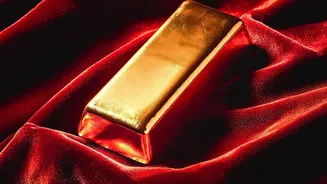
The first factor to check is the purity of the gold, measured in karats (K). 24K gold is the purest form (99.9% pure) but is too soft for intricate jewellery. That's why it is alloyed with metals like copper or silver for durability. Most gold jewellery in India
is made from 22K gold, which contains 91.6% pure gold (22 parts gold, 2 parts other metals). Jewellery with studded stones often uses 18K gold (75% pure gold) as it is harder and holds gems more securely. The higher the karat, the more expensive the gold will be per gram.
The Non-Negotiable: BIS Hallmarking
To ensure you are getting the purity you paid for, always look for the Bureau of Indian Standards (BIS) hallmark. This mandatory certification guarantees the gold's purity and protects consumers from being sold lower-quality gold. A hallmarked piece will have several marks, including the BIS logo, the purity grade (e.g., 916 for 22K gold), and a unique six-digit alphanumeric Hallmark Unique Identification (HUID) number. You can verify this HUID using the BIS CARE mobile app for added assurance. Buying non-hallmarked jewellery carries a significant risk of fraud.
Decoding Making and Wastage Charges
Making charges are the costs of labour and craftsmanship to convert raw gold into a piece of jewellery. These charges are not standardised and can vary widely, from as low as 6% to over 25% of the gold's value. They can be charged as a percentage of the gold's value or a flat rate per gram. Machine-made jewellery usually has lower making charges than intricate, handcrafted pieces. Some jewellers also add 'wastage' charges, accounting for gold lost during the manufacturing process, which can range from 8% to 18%. Both making and wastage charges are often negotiable, so it pays to ask for a discount.
The Final Bill: GST and Gemstones
The Goods and Services Tax (GST) is another component of the final price. A 3% GST is levied on the value of the gold. Additionally, a 5% GST is applied to the making charges. If your jewellery is studded with precious stones like diamonds or emeralds, their value is calculated separately and added to the bill. Ensure the jeweller weighs the stones and the gold separately, as you should only pay the gold rate for the net weight of the gold in the item.
Thinking Ahead: Buy-Back Policies
An often-overlooked aspect is the jeweller's buy-back or exchange policy. This determines the value you will get if you decide to sell or exchange the jewellery later. Most jewellers will not refund making charges or GST upon buy-back. They will typically value the piece based on the net weight of the gold at the prevailing market rate on the day of the sale, sometimes with an additional deduction. A transparent buy-back policy is a sign of a reputable jeweller. Always ask for the policy in writing and compare it between different stores before making a final decision.