








The Rise of the Urban Astronomer
The romance of stargazing often involves images of vast, dark deserts or remote mountaintops. The reality for most people, however, is a small patch of sky viewed from a window or balcony in a light-drenched city. Yet, interest in amateur astronomy has
surged, thanks to more affordable telescopes, powerful smartphone apps, and a collective desire to connect with the universe. This has created a new, rapidly growing demographic of city-based hobbyists who are eager to look up but face a unique set of obstacles that classic astronomy guides, with their common refrain of 'find a dark-sky site,' simply don't address. Astronomy clubs and online forums are noticing, realizing that to keep the hobby inclusive and growing, they need to meet people where they are—even if it's on a fifth-floor balcony.
The Balcony Bottleneck
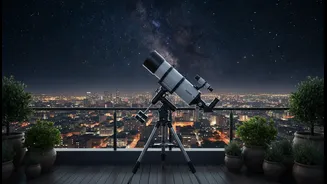
Observing from a flat or apartment balcony isn't just about dealing with light pollution; it's a multi-faceted challenge. First, there's the severe limitation on your field of view. Buildings obstruct huge swathes of the sky, and the balcony's own roof can block objects near the zenith. Second, light pollution is at its worst in dense urban centers, washing out all but the brightest celestial bodies. This 'skyglow' makes finding faint objects nearly impossible. Third, there are thermal issues. Buildings and concrete absorb heat during the day and radiate it at night, creating turbulent air currents that can make telescope images shimmer and blur. Finally, physical space is tight, making it difficult to set up larger telescopes or even move around comfortably.
From Generic Tips to Targeted Tactics
The failure of one-size-fits-all advice is the primary reason why specialized tips are emerging. Telling a resident of a high-rise to 'get away from city lights' is both impractical and discouraging. Recognizing this, experienced observers in online communities like Cloudy Nights and Stargazers Lounge, as well as organizations like the Astronomical League, are developing new strategies. Instead of focusing on what's lost to light pollution, they focus on what's gained by accessibility. These forums provide a space for amateurs to exchange techniques specifically suited for navigating city skies from a fixed, compromised position. The goal has shifted from chasing pristine skies to making the most of the sky you have.
What Are Custom Directional Tips?
So, what does this tailored advice look like? It's highly specific and practical. Instead of a generic list of constellations, it might be a 'greatest hits' list for a north-facing balcony in the summer, focusing on bright stars and clusters that will actually be visible. These tips guide users on what to realistically expect and target. For instance, the Moon, bright planets like Jupiter and Saturn, and brilliant double stars are excellent urban targets because their brightness cuts through the skyglow. The advice often includes recommendations for specific equipment, like compact refractor telescopes that manage stray light better on a balcony, or light pollution filters that can enhance contrast on certain nebulae. It's about strategic observing: knowing when a planet will clear the neighbouring building and what direction to look to catch it in that narrow window.
A Community-Driven Solution
This trend is largely a grassroots effort. While major astrophysical institutions focus on professional research, it's the amateur communities and organizations like the Astronomical League—with its 'Urban Observing Program'—that are leading the charge. These groups understand the challenges because their members live them. They crowdsource solutions, sharing everything from how to shield a telescope from a neighbour's porch light to which apps are best for identifying objects in a washed-out sky. This community support system is vital, providing not just technical tips but also the encouragement needed to persevere in a challenging environment. It transforms urban astronomy from a solitary, frustrating endeavor into a shared, solvable puzzle.