



The Real Price of a Pandal-Hopping Outfit
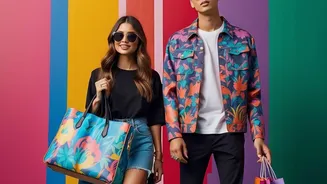
The allure of fast festive wear is undeniable: it’s trendy, accessible, and affordable. A new outfit for every day of the Puja seems possible without breaking the bank. But this convenience comes with a hidden environmental price tag. Fast fashion is a major
contributor to pollution, with textile dyeing being a significant source of industrial wastewater. Many of these cheap, mass-produced garments are made from synthetic fabrics like polyester, which shed microplastics with every wash and take years to decompose in landfills, releasing harmful substances along the way. India's textile sector is the third-largest generator of dry waste in its municipal systems, with millions of tonnes ending up in landfills annually. A significant portion of this waste comes from clothes that are worn only a few times before being discarded, a cycle that fast fashion actively encourages.
Beyond the Trend: Style with a Story
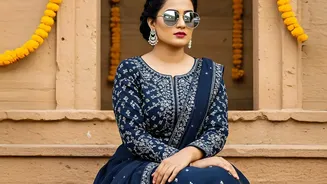
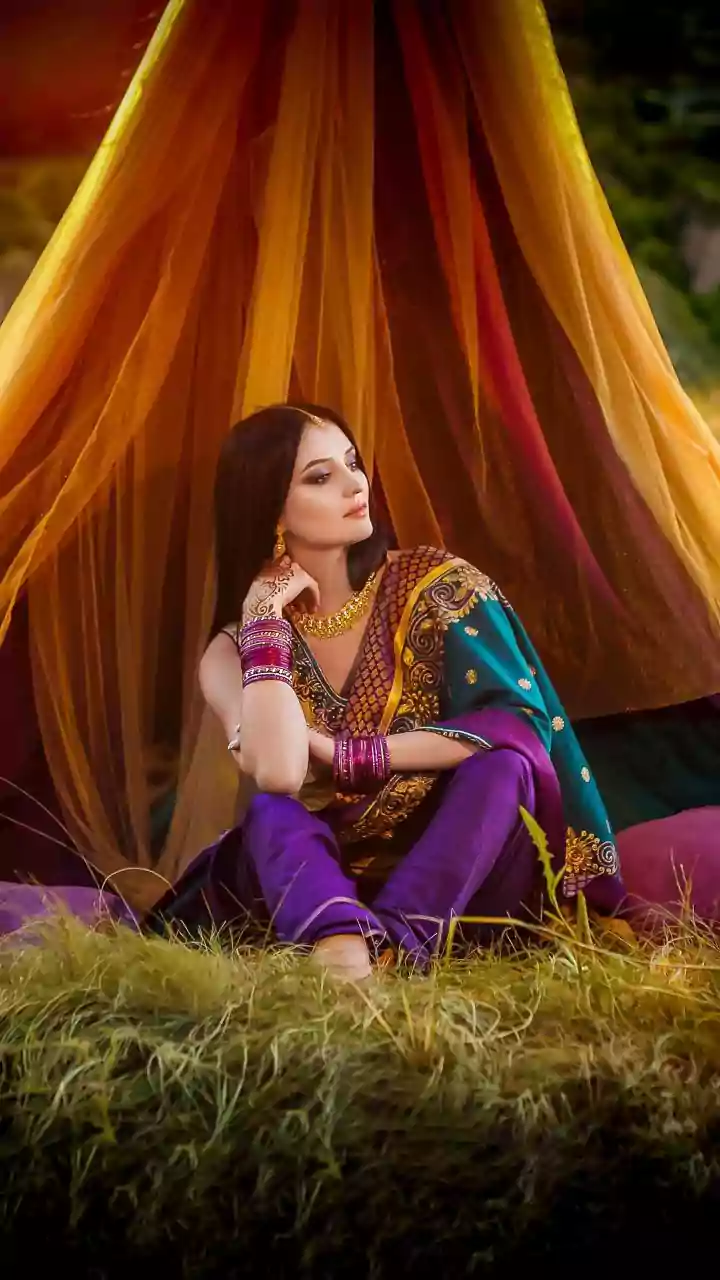
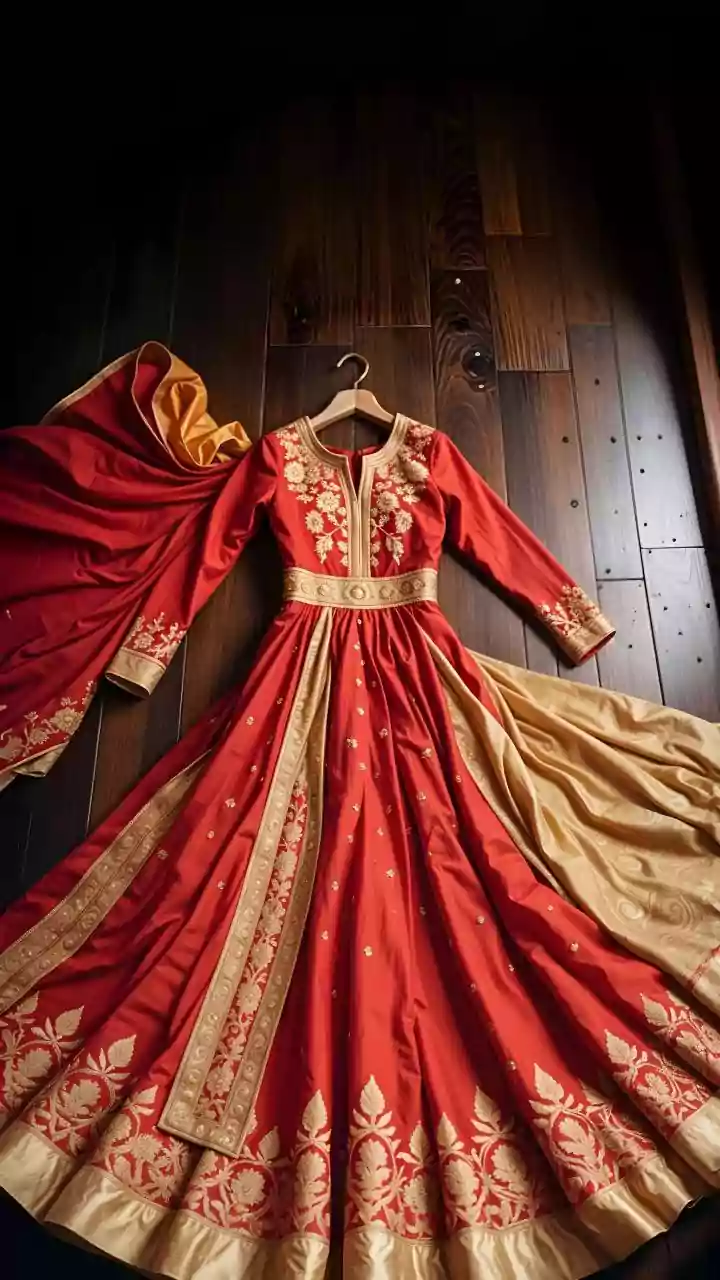
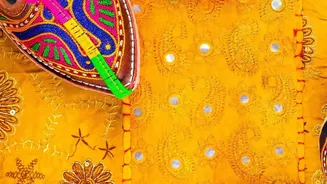
Sustainable ethnic wear offers a compelling alternative rooted in authenticity. Instead of a generic, factory-made outfit, you get a piece with a narrative. Handloom fabrics like Khadi, with their minimal carbon footprint, or sarees featuring traditional weaves like Jamdani or Baluchari, carry the legacy of Indian craftsmanship. These garments are often made by local artisans who have honed their skills over generations, from intricate mirror work to delicate hand-block printing. For Gen Z, a generation that values individuality, the subtle imperfections of a handwoven textile make a piece unique—a stark contrast to the uniformity of mass production. This choice is not just about clothing; it's about preserving cultural heritage and supporting the livelihoods of skilled craftspeople. Brands that are transparent about their supply chains and artisan collaborations are gaining traction among young consumers who want their purchases to have a positive social impact.
Cost-Per-Wear: A Smarter Wardrobe Investment
While the initial price of a sustainable garment is often higher, its long-term value tells a different story. This is where the concept of 'cost-per-wear' becomes crucial. A cheap fast-fashion top worn only twice before it loses shape or goes out of style can have a higher cost-per-wear than a well-made, timeless piece worn for years. High-quality, sustainable clothing is designed for durability. An investment in a handloom saree or a classic embroidered kurta is an investment in a piece that can be restyled for multiple occasions beyond Durga Puja—from other festivals to weddings and family functions. Gen Z is increasingly adopting this mindset, turning old sarees into new silhouettes or pairing heirloom pieces with contemporary accessories. This approach is not only financially savvy but also encourages a more mindful and creative relationship with one's wardrobe.
A Modern Puja with Conscious Choices
Ultimately, the shift towards sustainable ethnic wear for Durga Puja reflects a broader change in values among young Indians. Gen Z is increasingly aware of the environmental and ethical implications of their consumption habits. Choosing a sustainable outfit is a form of self-expression that aligns with a desire for authenticity and responsibility. It's about celebrating tradition not just through rituals and attire, but by honoring the environment and the artisans who are the custodians of that tradition. For the modern Durga Puja enthusiast, a beautiful outfit is one that looks good while also doing good. This conscious choice makes the festive celebration more personal and meaningful, turning a fashion statement into a statement of values.