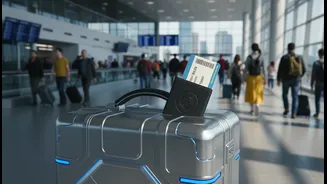








The End of the Annual Holiday
For generations, the great Indian vacation was a singular, epic event—a long, meticulously planned trip that happened once a year. It was the reward for months of hard work. But for young Indians today, that model is starting to feel outdated. A recent
Airbnb report found that a staggering 7 in 10 Gen Z travellers in India would rather take three short trips than one long annual holiday. This generation is trading the marathon for a series of sprints, integrating travel into their lives as a regular habit rather than a rare indulgence. This shift isn’t just about wanderlust; it’s a practical response to the demands of modern life, where burnout is a constant threat and flexibility is the new currency.
What is a Micro-Break, Really?
The term 'micro-break' or 'micro-cation' refers to a short, intentional trip, typically lasting between two and four days. Think of it as more than just a standard weekend getaway; it’s a purposeful escape designed to provide a quick but meaningful reset. Unlike a long vacation that might require months of saving and planning, a micro-break is light on logistics and high on impact. The goal isn't to tick off a dozen sights from a packed itinerary. Instead, it’s about disconnecting from the daily grind, immersing yourself in a new environment, and focusing on quality experiences over quantity. It’s about making rest and exploration a consistent part of your lifestyle.
A Perfect Fit for Young India
This travel trend is particularly suited to the realities faced by young professionals in India. Demanding work cultures and the pressure to be constantly connected often make taking a long, two-week holiday a logistical nightmare. Micro-breaks offer a sustainable alternative. By leveraging long weekends and public holidays, young travellers can explore new places without draining their limited annual leave. Furthermore, this approach is more budget-friendly. Spreading travel costs across several smaller trips is often more manageable than saving for one large, expensive vacation. With India's incredible diversity of destinations—from hill stations and beaches to heritage cities—a rejuvenating escape is often just a short flight or train ride away, making frequent travel both accessible and appealing.
The Mental Health Dividend
Perhaps the most significant benefit of taking shorter, more frequent trips is the positive impact on mental well-being. Psychologists note that the happiness boost from a vacation tends to fade within a few weeks of returning to work. By travelling more often, you get to experience that feeling of rejuvenation on a regular basis. These frequent pauses act as a powerful antidote to chronic stress and burnout, which the World Health Organization recognises as a serious occupational phenomenon. Research suggests that frequency can be more important than duration for psychological recovery. A short trip provides a mental reset, interrupting stress cycles and allowing your brain to recharge. You return to work not just rested, but with renewed focus and creativity.
How to Master the Micro-Break
Planning a successful micro-break is an art. The key is to minimise stress and maximise enjoyment. Start by exploring destinations that are easy to reach, reducing travel time. Pack light to stay nimble. Instead of trying to do everything, create a light, flexible itinerary with room for spontaneity—something Gen Z travellers in India are already embracing. A recent report found 90% of them actively seek undiscovered places over viral recommendations. Focus on one or two key experiences: a nature hike, a culinary tour, or simply relaxing at a unique stay. The rise of hybrid work also offers new possibilities, allowing you to extend a weekend by working remotely for a day or two, turning a two-day break into a four-day escape.