


A Spectacle in the Twilight Sky
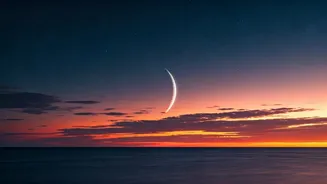
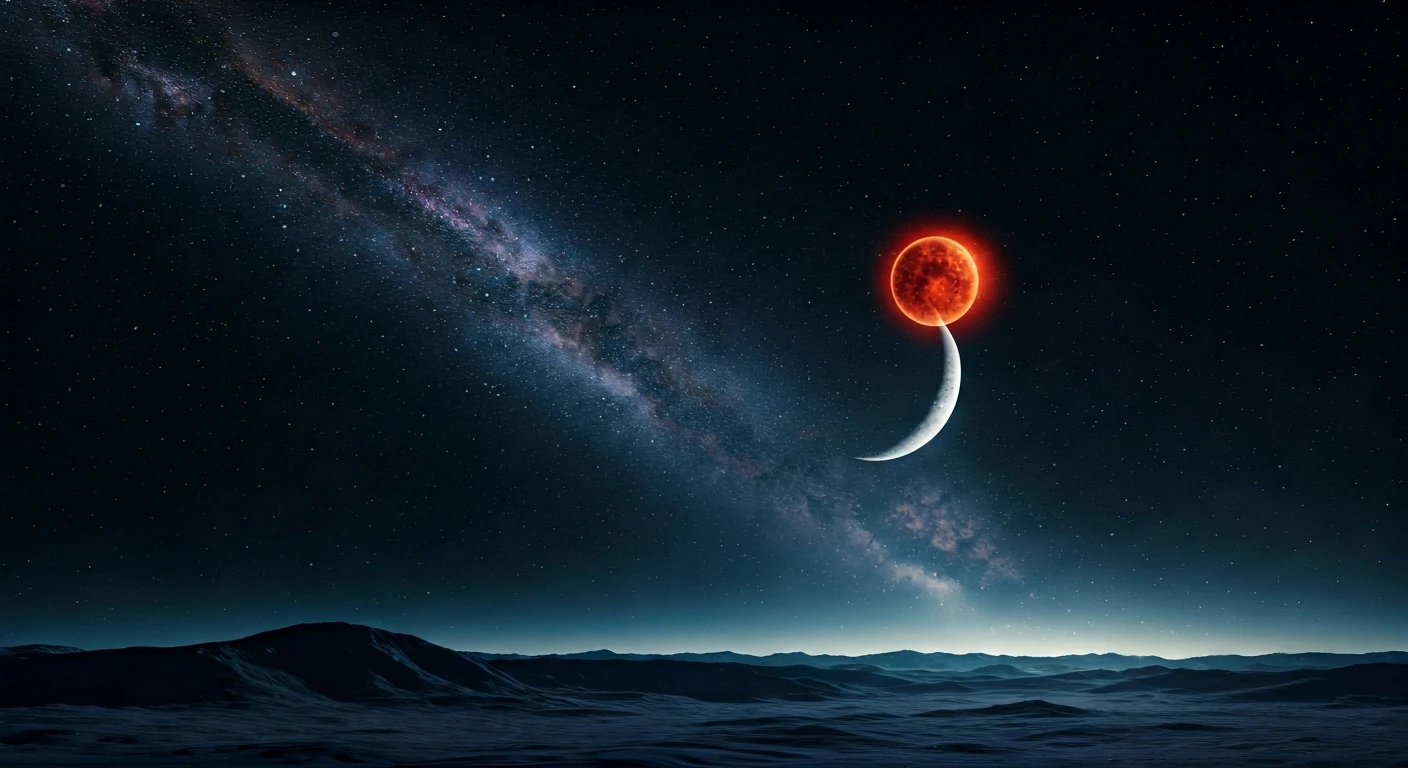
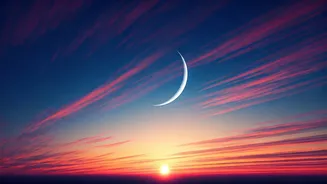
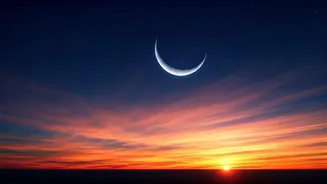
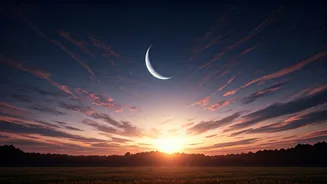
Across India, from bustling city rooftops to quiet village fields, eyes turned upward to witness a celestial event of simple, profound beauty. As the sun dipped below the horizon, painting the sky in shades of orange and purple, two familiar celestial bodies
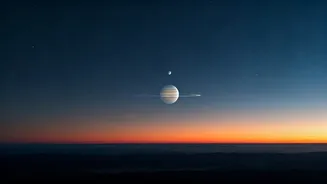
put on an unforgettable show. The slender crescent of the Moon, elegant and sharp, appeared remarkably close to a dazzlingly bright point of light. That point was not a star, but the planet Venus, our celestial neighbour. Social media feeds quickly filled with photos—some sharp, some just blurry smudges of light—all capturing a moment of shared wonder. For a brief period, millions of us were united by the simple act of looking up and marvelling at the cosmos.
What is a Conjunction?
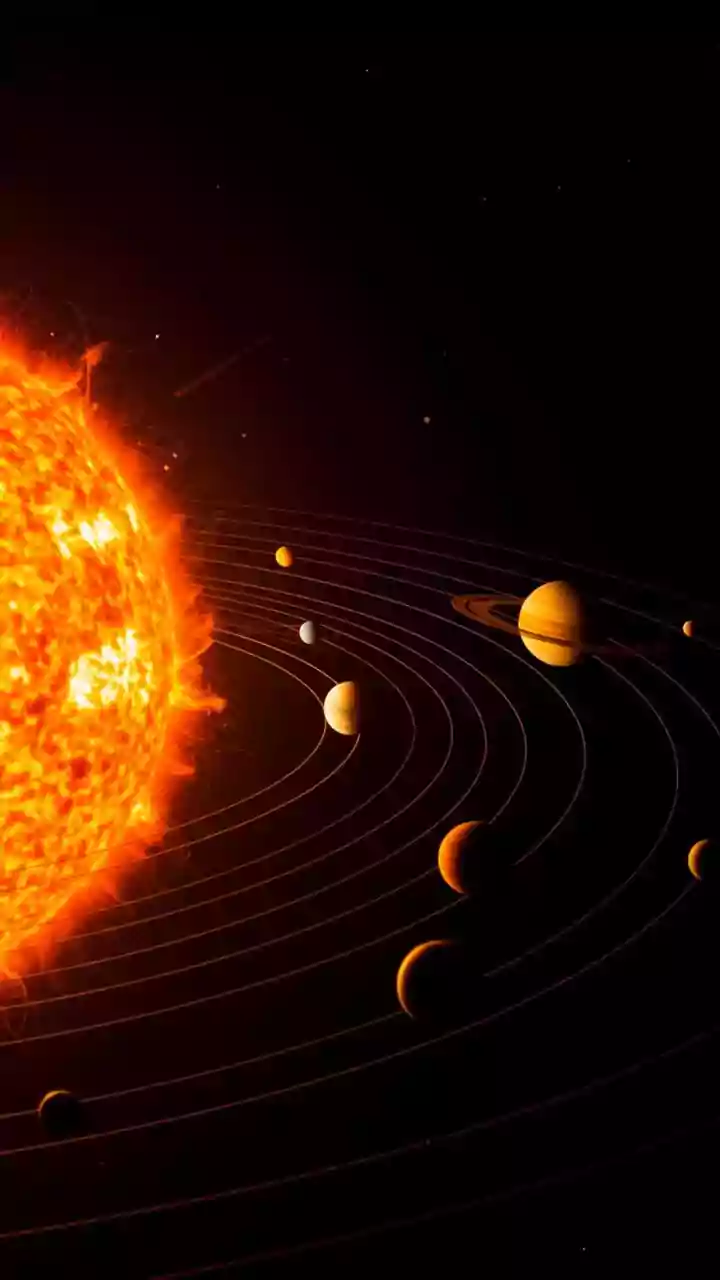
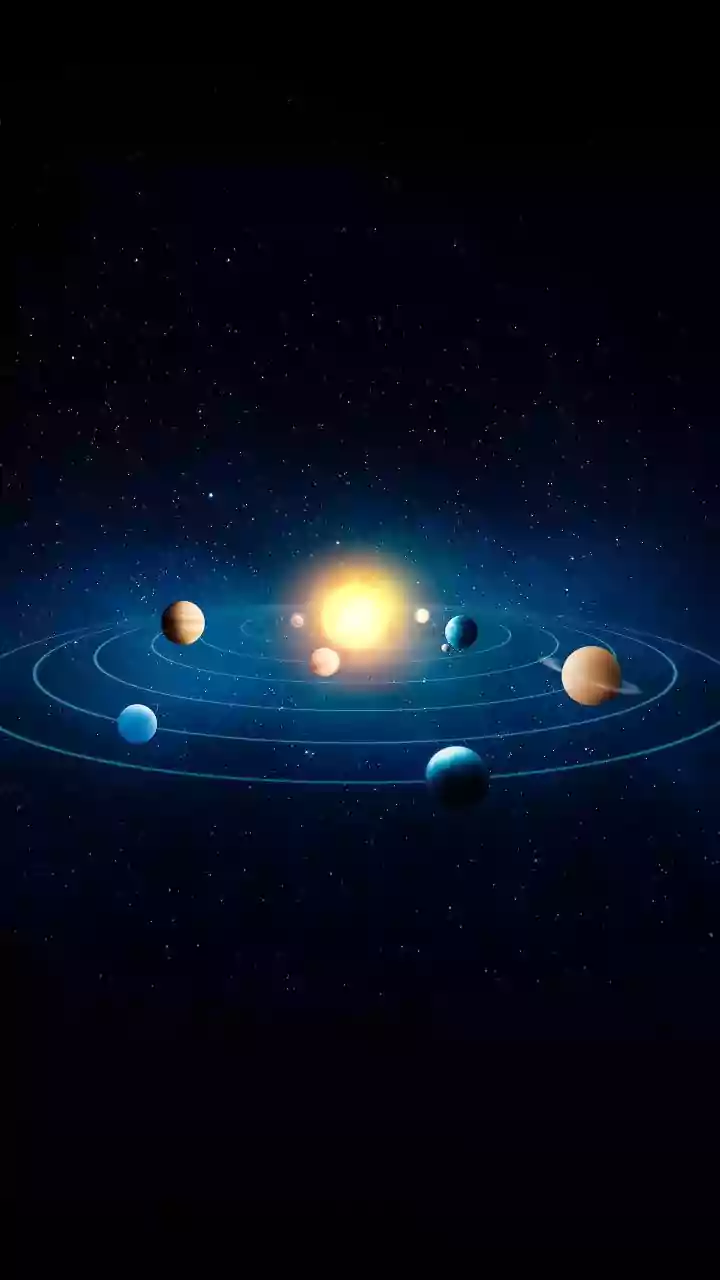
This beautiful pairing is known to astronomers as a conjunction. It's not a physical meeting, of course. Venus and the Moon were still separated by millions of kilometres. A conjunction is an astronomical illusion, a trick of perspective. It happens when two or more celestial objects appear very close to one another in the sky as seen from our vantage point on Earth. Think of it like this: imagine you are watching two people walk on opposite sides of a wide river. From your perspective, you can line them up so they appear to be standing right next to each other, even though a great distance separates them. Our solar system is a dynamic, three-dimensional space, and as the Earth, Moon, and other planets follow their own orbits around the Sun, their paths occasionally align in our line of sight, creating these stunning visual events.
The Dazzling Evening Star
The brilliant 'star' in this pairing was Venus. Often called the 'Morning Star' or 'Evening Star', Venus is the brightest planet in our sky and the third brightest natural object after the Sun and the Moon. Its brightness is due to two factors. First, it’s relatively close to us (in cosmic terms). Second, its atmosphere is covered in thick clouds of sulfuric acid that are highly reflective. These clouds act like a giant mirror, reflecting about 70% of the sunlight that hits them, making the planet shine with a steady, silvery light. This intense brightness is why Venus is often the first 'star' to appear in the evening sky and is sometimes even mistaken for an airplane or a UFO by the uninitiated.
The Moon's Supporting Role
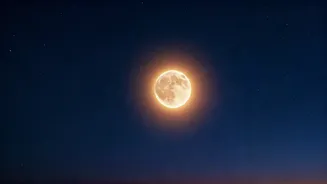
While Venus provided the brilliance, the Moon brought the artistry. Appearing as a delicate sliver, the crescent moon is arguably its most photogenic phase. During this event, many sharp-eyed observers might also have noticed a faint glow on the 'dark' part of the Moon. This phenomenon is called 'earthshine'. It’s caused by sunlight reflecting off the Earth's surface and clouds, travelling through space to illuminate the dark portion of the Moon. In essence, you are seeing the Moon lit up by the light of our own planet. It’s a poetic reminder of the interconnectedness of our little corner of the solar system—the Earth lighting up the Moon as the Moon orbits the Earth, all while Venus looks on from its own path.
How You Can Join the Cosmic Show
Did you miss this event? Don't worry. The universe offers a continuous spectacle, and you don’t need an expensive telescope to enjoy it. Conjunctions between the Moon and bright planets like Venus, Jupiter, and Saturn are quite common. The key is knowing when and where to look. Several free smartphone apps (like Stellarium, SkyView Lite, or Star Walk) can show you a real-time map of the sky above you. Websites from organisations like NASA and local astronomy clubs also publish calendars of upcoming celestial events. The best advice is simply to make a habit of glancing at the sky after sunset or before sunrise. You’ll be surprised at what you can see with just your own eyes—no equipment, no cost, just a moment of curiosity.