


Understanding Summer Muscle Cramps
Exercise-associated muscle cramps (EAMCs) are sudden, involuntary contractions of a muscle, often occurring during or after intense physical activity. While the exact cause is debated, a leading theory points to dehydration and an imbalance of essential
minerals called electrolytes. When you work out in the summer heat, your body sweats more to cool down. This sweat isn't just water; it's also packed with electrolytes like sodium, potassium, calcium, and magnesium. If you replenish your fluid loss with only plain water, you can dilute the remaining electrolytes in your system, disrupting the signals between nerves and muscles and leading to those painful cramps.
The Electrolyte Power Duo: Potassium and Sodium
Among the electrolytes lost in sweat, potassium and sodium are crucial for muscle function. Potassium helps regulate fluid balance within your cells and is vital for proper muscle contractions. Sodium, on the other hand, is the primary electrolyte you lose through sweat and is essential for maintaining fluid balance outside the cells and enabling nerve impulses. An imbalance in this duo is a common culprit behind muscle spasms. While many people focus on potassium by eating a banana, they often neglect to adequately replace lost sodium, which is just as important for effective hydration, especially during intense, sweaty workouts.
Why Coconut Water Is Natures Sport Drink
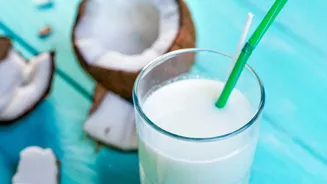
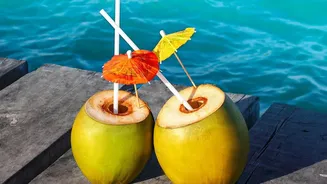
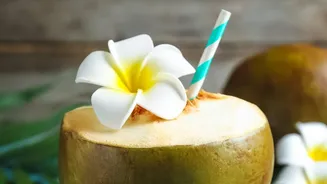
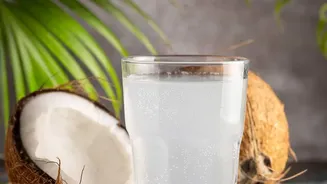
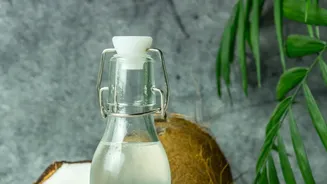
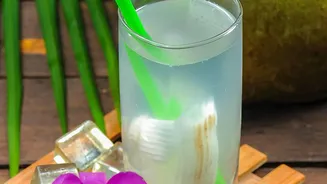
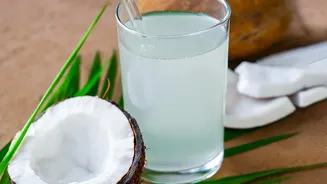
This is where coconut water shines. Often called 'natures sports drink', unflavoured coconut water is an excellent natural source of electrolytes. It is particularly rich in potassium, often containing more than a banana, and also provides smaller amounts of magnesium, calcium, and phosphorus. These minerals support muscle relaxation and overall function. However, for intense exercise, coconut water has one key limitation: it is naturally low in sodium, the very electrolyte lost most in sweat. This makes it a fantastic base but not a complete solution on its own for preventing cramps during a heavy sweat session.
The Crucial Role of a Pinch of Salt
Adding a small pinch of salt (sodium chloride) to coconut water transforms it from a good hydration drink into a great one for active individuals. That simple addition addresses coconut waters low sodium content, creating a more balanced electrolyte profile that better mimics what your body loses through sweat. This balanced combination helps your body absorb and retain fluid more effectively, maintaining the crucial sodium-potassium balance required for smooth nerve and muscle function. This isn't just about preventing cramps; it's about optimizing your entire hydration strategy to support performance and recovery.
Your Pre-Workout Elixir: How to Make It
Creating this cramp-fighting drink is incredibly simple. For a single serving, you'll need:
- 250-300ml of unsweetened coconut water
- A pinch (about 1/8th of a teaspoon) of good quality sea salt or pink Himalayan salt
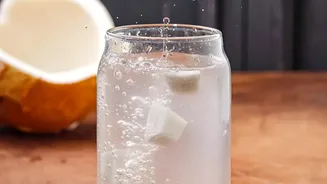
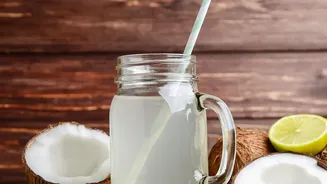
Simply mix the salt into the coconut water until it fully dissolves. For best results, drink this about 30-60 minutes before you begin your workout. This gives your body time to start absorbing the fluids and electrolytes before you begin to sweat. For extra flavour and a vitamin C boost, you can also add a squeeze of fresh lime or lemon juice. This simple habit can make a significant difference in how your muscles feel during and after exercise in the heat.