




The Unstoppable Rise of Convenience
Across India's bustling cities, life is moving faster than ever. Demanding work hours, long commutes, and the rise of dual-income households mean time is a luxury many can't afford, especially in the kitchen. This reality has fueled an explosive demand
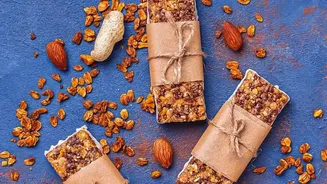
for convenience. The Ready-to-Eat (RTE) food market is booming, with projections showing it will grow significantly in the coming years. This isn't just about frozen dinners; it includes everything from instant noodles and snacks to complete meal kits. The surge is driven by a simple need: quick, hassle-free meal solutions. Adding to this trend is the phenomenon of quick commerce. Platforms that promise delivery in minutes have fundamentally altered consumer behaviour, particularly among urban millennials and Gen Z. Instead of planning grocery trips, consumers can now order ingredients or even a single snack on impulse, further cementing convenience as a primary driver of food choices.
Why Tradition Still Rules the Kitchen
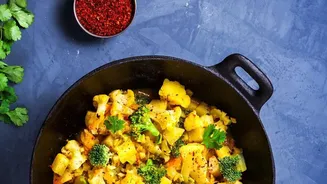
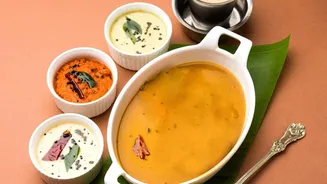
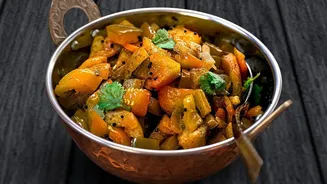
Despite the lure of a 10-minute delivery, tradition remains the heart and soul of Indian cuisine. For a vast majority of consumers, nothing beats the taste and satisfaction of a freshly prepared, home-cooked meal. This preference isn't just about flavour; it's deeply tied to culture, family, and a growing consciousness around health. Many still view packaged foods with a degree of skepticism, associating them with preservatives and a lack of nutritional value. Taste and freshness remain the top priorities for most Indian consumers. Moreover, food choices are strongly rooted in cultural heritage, with family recipes and regional culinary practices playing a significant role in daily meals. This enduring attachment to traditional foodways ensures that while convenience is making inroads, it cannot simply replace the foundational elements of how Indians eat. The emotional connection to familiar, authentic flavours provides a powerful counterbalance to the fast-paced, modern world.
The Smart Middle Ground: Tradition in a Packet
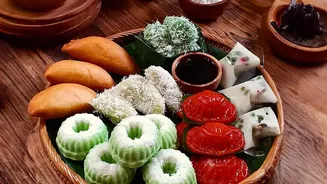
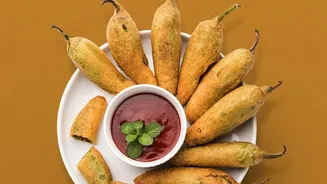
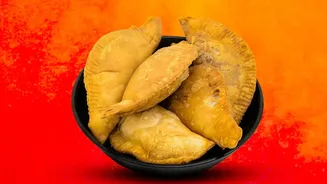
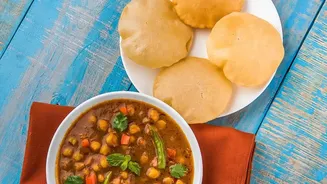
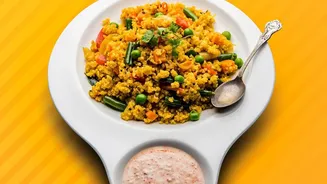
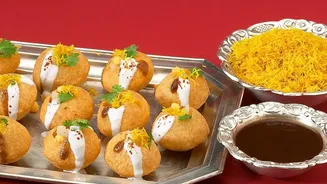
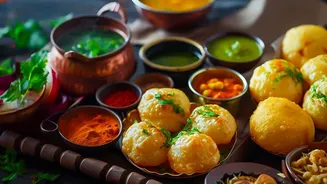
The real innovation in India's food market is not a battle between convenience and tradition, but a clever fusion of the two. Successful brands have realized that consumers don't want to choose; they want the best of both worlds. This has led to a new wave of products that offer the authentic taste of tradition in a convenient format. Think of ready-to-use spice pastes, packaged traditional snacks that once only came from roadside stalls, and high-quality frozen meals that replicate home-style cooking without compromise. Companies are investing heavily in making traditional snacks and meals available in modern, attractive packaging that can sit on a supermarket shelf or be delivered by a quick commerce app. This approach acknowledges that the modern consumer wants to save time, but not at the expense of the flavours they grew up with. By packaging tradition, brands are bridging the gap and creating products that fit seamlessly into fast-paced contemporary lifestyles.
A New Retail Landscape
This evolving consumer dynamic is also transforming where Indians buy their food. The rise of quick commerce has put significant pressure on traditional kirana stores and even larger supermarkets. These platforms have reshaped consumer expectations around speed and availability. However, the local kirana store is far from obsolete. Many are adapting by embracing digital payments, using online ordering systems, and partnering with hyperlocal delivery services to compete. The result is a hybrid retail model where consumers shop across multiple channels. They might use a quick commerce app for urgent needs, visit a supermarket for bulk purchases, and rely on their trusted local retailer for daily staples. This omnichannel approach means that both modern and traditional retail formats are finding ways to coexist, each serving different consumer needs in the complex Indian food ecosystem.