



The Great Millet Revival
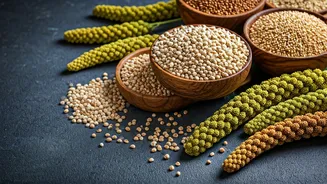
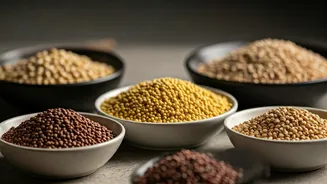
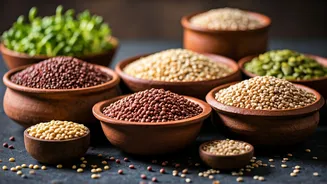
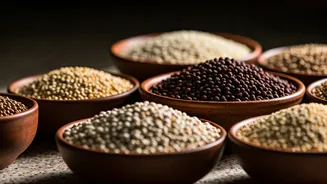
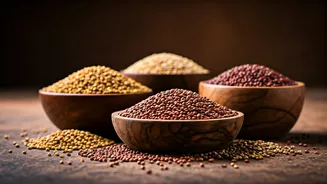
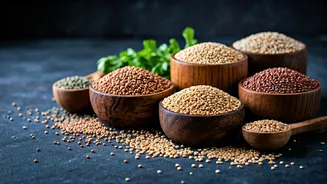
For centuries, millets like jowar (sorghum), bajra (pearl millet), and ragi (finger millet) were central to India's food culture. [5] However, the Green Revolution's focus on wheat and rice pushed these hardy grains to the sidelines. [3] Today, a confluence
of factors is driving their resurgence. A growing awareness of health and wellness has consumers seeking out nutrient-dense, gluten-free options. [11] Furthermore, with the UN declaring 2023 the International Year of Millets at India's suggestion, there has been a significant push from the government to promote these 'superfoods'. [14, 20] Millets are also incredibly climate-resilient, requiring less water than rice and wheat, making them a sustainable choice for farmers and the planet. [2, 18]
A Nutritional Powerhouse
Millets are packed with nutrients that are often lacking in modern diets. [11] They are an excellent source of dietary fibre, which aids digestion, promotes a feeling of fullness, and helps manage weight. [4, 8] Rich in essential minerals like iron, magnesium, and calcium, they contribute to everything from bone health to better nerve function. [4, 6] With a low glycemic index, millets release energy slowly, preventing the blood sugar spikes associated with refined grains, making them an ideal choice for individuals managing diabetes. [4, 9] Being naturally gluten-free, they are also a safe and healthy alternative for those with celiac disease or gluten sensitivity. [6, 8]
Breakfast: Millet Upma or Pongal
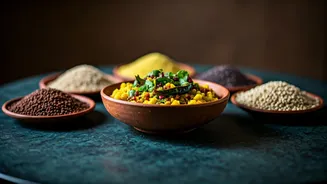
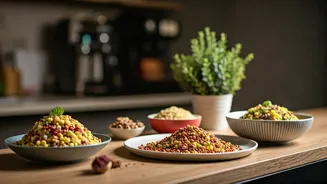
Start your day with a simple swap. Replace semolina (rava) or rice with foxtail millet or barnyard millet to create a wholesome upma or Pongal. For upma, dry roast the millet before cooking to achieve a fluffier texture. [17] Sauté your usual tempering of mustard seeds, lentils, and curry leaves, add vegetables, and then the roasted millet with a 1:2 millet-to-water ratio. [17] For a comforting Pongal, cook barnyard millet and moong dal together until soft, then temper with ghee, black pepper, and cumin for a dish that is both high in protein and has a low glycemic index. [17]
Lunch: Jowar Roti and Bajra Khichdi
Move over, wheat. Jowar and bajra rotis are classic flatbreads that are making a strong comeback. While they can be trickier to roll than wheat chapattis, the nutty flavour and health benefits are worth it. Pair a soft jowar roti with your favourite sabzi or dal for a gluten-free lunch. [15] Alternatively, on a cool day, a one-pot Bajra Khichdi is both warming and deeply nutritious. [13] Traditionally popular in Rajasthan and Haryana, this simple dish combines pearl millet with lentils and minimal spices, creating a wholesome meal that keeps you full for hours. [13]
Snacks and Sweets: Ragi Cookies and Laddus
Millets can even satisfy your sweet cravings. Ragi (finger millet) flour is a fantastic base for healthy baked goods. Its high calcium content makes it an excellent ingredient for snacks. [2] Ragi cookies, sweetened with jaggery instead of refined sugar, are a popular and guilt-free treat. [16] You can also make traditional Ragi Laddus, which combine roasted ragi flour with jaggery, ghee, and nuts for a nutrient-dense energy ball that’s perfect for an afternoon pick-me-up or a healthy dessert. [15]
Dinner: Foxtail Millet Pulao
For a light yet satisfying dinner, foxtail millet is an excellent substitute for rice in a pulao or biryani. [10] Its fluffy texture and ability to absorb flavours make it a versatile grain for one-pot dishes. [13] Prepare it just as you would a rice pulao: sauté whole spices, add your favourite vegetables, and then stir in washed foxtail millet. [13] Cook with a 1:2 millet-to-water ratio until the grains are tender. This simple switch adds a dose of fibre, protein, and minerals to a beloved comfort food, making it both delicious and nourishing. [6]