







The Great Unsubscribe from Hustle Culture
Remember the era of the ‘girlboss’ and the ‘rise and grind’ mindset? It glorified 5 AM wake-up calls, back-to-back meetings fueled by caffeine, and the idea that sacrificing sleep was a badge of honour. For Millennials and Gen X, professional ambition
often meant pushing personal well-being to the absolute limit. Now, a new generation is collectively hitting the snooze button on that entire philosophy. For Gen Z, born between 1997 and 2012, a good night’s sleep is becoming the ultimate status symbol. It’s a quiet but firm rejection of the always-on, productivity-obsessed world they inherited. Instead of bragging about how little they slept, they’re sharing sleep scores from their fitness trackers and swapping tips for the perfect bedtime routine on TikTok.
Why Rest Became a Radical Act
This shift isn’t happening in a vacuum. Gen Z is arguably the most open generation when it comes to discussing mental health. They have grown up with a keen awareness of anxiety, depression, and burnout—not as personal failings, but as systemic issues. Constant digital stimulation, economic precarity, and the lingering effects of a global pandemic have made them acutely sensitive to the importance of self-preservation. In this context, prioritising eight hours of sleep is not laziness; it’s a strategic and essential form of self-care. It’s an acknowledgement that mental and physical health are prerequisites for a sustainable life, not afterthoughts to be addressed after every other box has been ticked. For them, productivity doesn't come from exhaustion; it comes from being well-rested and mentally clear.
The New Anatomy of a Good Night's Sleep
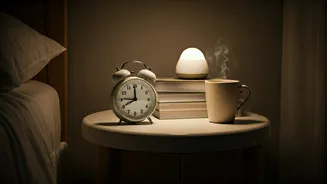
So, how is Gen Z optimising its slumber? The approach is a mix of old-school wisdom and new-age tech. The #SleepTok corner of the internet is filled with recommendations. There are ‘sleepy girl mocktails’ made with magnesium powder and tart cherry juice, which have gone viral for their supposed sleep-inducing properties. There’s a renewed interest in classic wind-down rituals: reading a physical book, journaling, or sipping chamomile tea. At the same time, this is a generation of digital natives. They are leveraging technology to master their rest. Wearable tech like the Oura Ring or Whoop strap, which provide detailed analytics on sleep cycles and recovery, are becoming coveted gadgets. Apps that offer guided sleep meditations, play calming soundscapes (like brown noise or binaural beats), and gently wake you during your lightest sleep phase are now standard tools in the Gen Z sleep kit.
The Booming Business of Bedtime
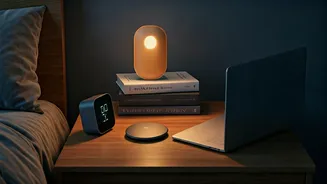
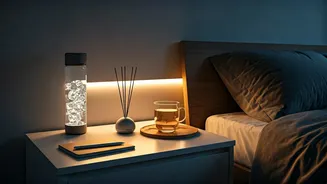
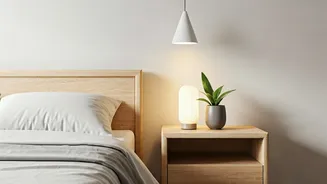
Where a cultural trend emerges, a market quickly follows. The commercial world has been quick to cater to Gen Z’s quest for quality rest, creating what is now known as the ‘sleep economy.’ The offerings go beyond a comfortable mattress. Brands are marketing everything from weighted blankets designed to soothe the nervous system to silk pillowcases that promise better skin and hair. There are aromatherapy diffusers with lavender essential oil, high-tech sound machines, and a dizzying array of herbal supplements and drinks all promising a deeper, more restorative slumber. This isn’t just about products; it’s about an aesthetic. The ideal bedroom is now a ‘sleep sanctuary’—a calm, minimalist space optimised for tranquility. It’s a stark contrast to the home office that bleeds into the living room, representing a conscious effort to create boundaries between work and rest.