




The Great Monsoon Migration
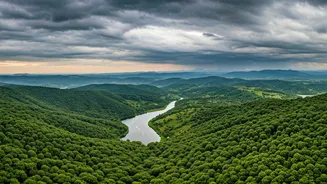
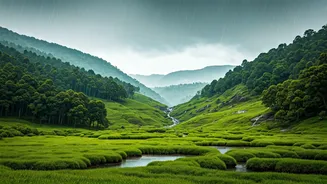
It’s a familiar story. After months of scorching summer, the arrival of the monsoon transforms India’s landscape. The dusty browns of the plains give way to vibrant greens, and the air fills with the petrichor we wait all year for. This dramatic seasonal
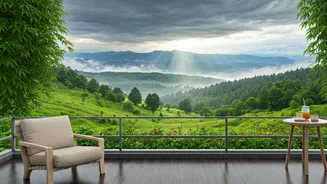
shift is increasingly fuelling a domestic travel boom. No longer seen as an 'off-season' to be avoided, the monsoon has become a prime time for short, impulsive getaways. Travel portals and hotel chains consistently report a 25-40% surge in weekend bookings for destinations within a few hours' drive of major metros like Mumbai, Delhi, and Bengaluru. The appeal is simple: trading concrete jungles and waterlogged streets for misty mountains, roaring waterfalls, and a cosy chair with a view.
Lonavala & Khandala: Mumbai's Favourite Escape
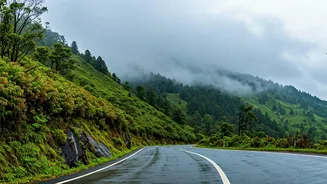
For Mumbaikars and Puneites, the twin hill stations of Lonavala and Khandala are synonymous with the monsoon. A short drive on the expressway is all it takes to enter a different world. The familiar ghats are suddenly draped in a thick blanket of fog, with seasonal waterfalls cascading down their sides. The air turns cool and crisp, a welcome respite from the city's humidity. The agenda here is delightfully simple: find a scenic viewpoint like Tiger Point, brave the crowds for a hot cob of corn-on-the-cob ('bhutta') and ginger tea, or simply drive along winding roads with the windows down. It’s less about sightseeing and more about soaking in the atmosphere, making it the perfect destination for a quick 48-hour reset.
Coorg: The Scotland of a Rainswept South
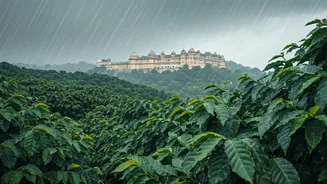
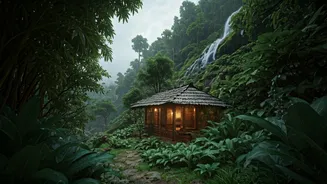
Nestled in the Western Ghats, Kodagu, or Coorg, truly comes alive during the rains. The region’s sprawling coffee plantations take on a deeper, more lustrous shade of green, and the air is thick with the scent of wet earth and fresh coffee blossoms. This is the ideal spot for those seeking a tranquil but immersive experience. While heavy rains can sometimes make trekking challenging, the drives through the region are breathtaking. Key attractions like Abbey Falls and Raja's Seat become even more spectacular. Many travellers opt for homestays, where they can enjoy authentic Kodava hospitality, savour a fiery pandi curry, and spend evenings listening to the symphony of the rain from a covered verandah. It’s a sensory experience that defines monsoon travel in the south.
Munnar: Kerala's Emerald Paradise
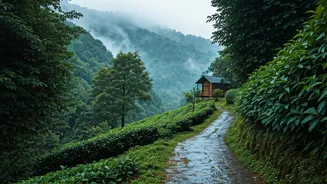
While Kerala is often marketed for its winter sun, the monsoon paints its star hill station, Munnar, in a hundred shades of green. The tea gardens, meticulously manicured on the rolling hills, glisten with raindrops, creating a picture-postcard landscape that feels almost unreal. The clouds often descend low, enveloping the entire valley in a mystical mist. It's the perfect setting for romance and relaxation. Visitors can explore the Eravikulam National Park (check for seasonal closures), visit the Mattupetty Dam where the reservoir swells with rainwater, or simply indulge in a fresh cup of tea from a local plantation. The reduced tourist crowds compared to peak season mean a more peaceful and intimate encounter with nature's grandeur.
Udaipur: The Lakes Reign Supreme
Rajasthan in the monsoon? Absolutely. While known for its desert landscapes, the Aravalli hills surrounding Udaipur transform during the rains. The city’s famous lakes, often depleted by the summer heat, fill up and restore the city’s romantic charm. A boat ride on a full Lake Pichola, with the majestic City Palace and Lake Palace seemingly floating on water, is an unforgettable experience. The Monsoon Palace, or Sajjan Garh, perched on a hilltop, offers panoramic views of the rain-washed city and surrounding countryside. The weather is pleasant, the crowds are thinner, and the hotel rates are often more attractive, making it a surprisingly perfect time to experience the 'Venice of the East' in its most serene form.