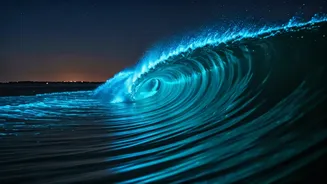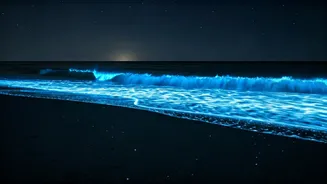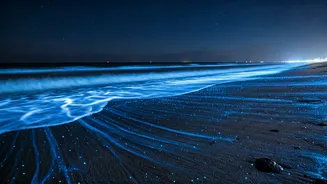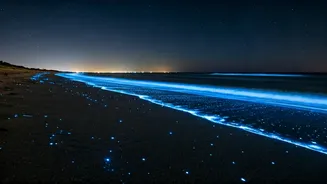




A Midnight Spectacle on the Arabian Sea
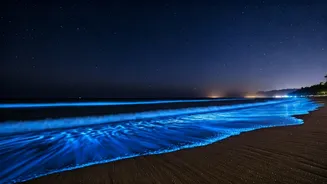
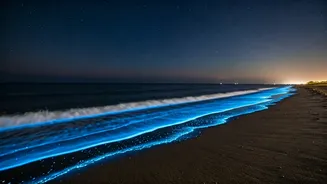
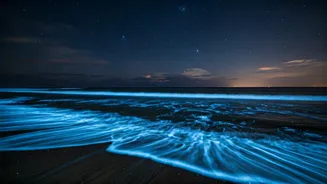
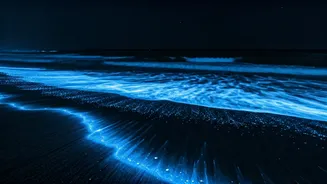
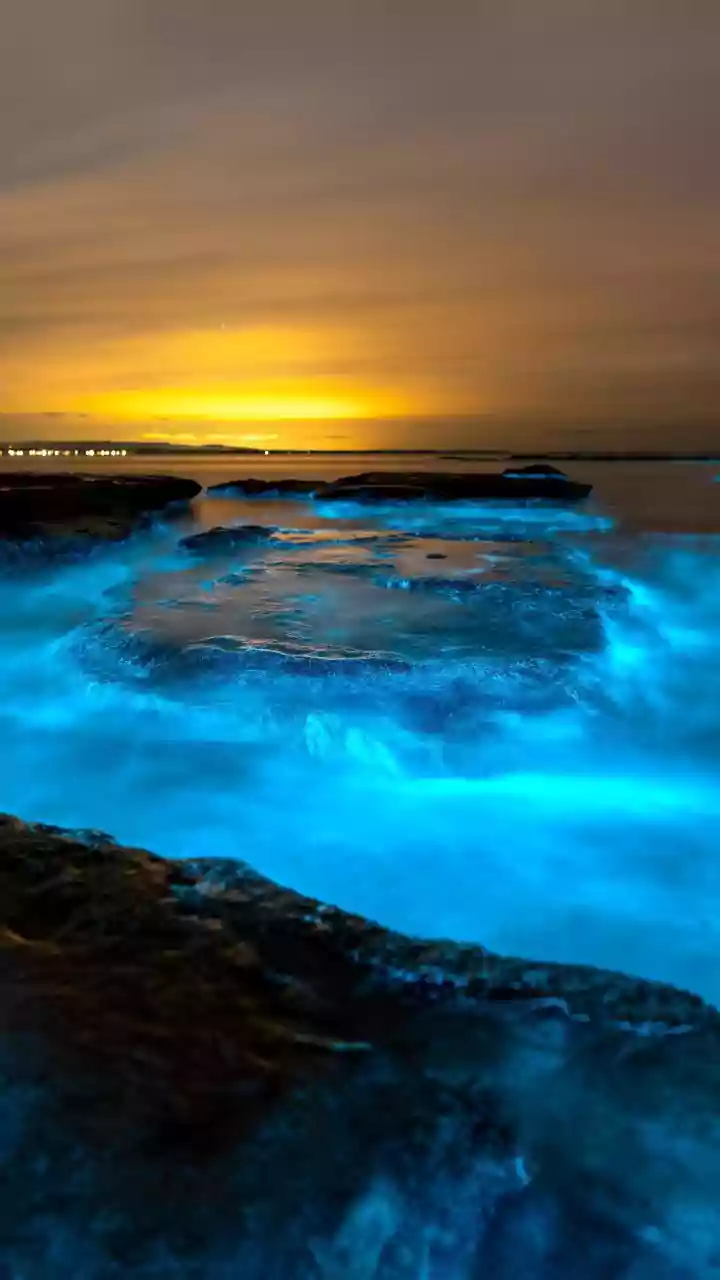
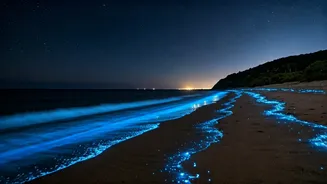
The images captivating viewers across the globe originate from the coast of Karnataka, a state in southwestern India bordering the Arabian Sea. Along beaches like Mattu Beach and Padukere Beach in the Udupi district, visitors have been treated to a breathtaking
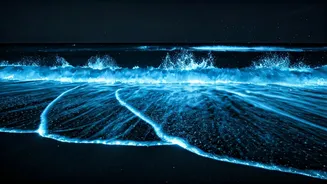
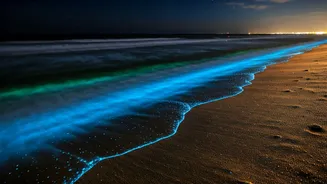
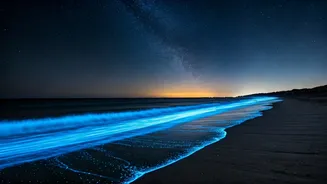
light show courtesy of Mother Nature. As night falls, the ocean's edge begins to shimmer. Every wave that rolls in, every footstep on the wet sand, and every splash of a hand in the water triggers a burst of ghostly blue-green light, transforming an ordinary shoreline into a scene from a fantasy film. This phenomenon, known as bioluminescence, has turned these quiet coastal spots into must-see destinations, with locals and tourists alike flocking to the shore after dark to witness and document the magical glow.
The Science Behind the Sparkle
So, what's causing this ethereal glow? The answer lies in microscopic marine organisms. The sparkle, or “kavuna” in the local Tulu language, is created by a type of plankton called dinoflagellates. Specifically, the species Noctiluca scintillans, often nicknamed “sea sparkle,” is the likely artist behind this display. These single-celled creatures are a type of algae that float near the water's surface. They possess a unique defense mechanism: when agitated by movement—like the crashing of a wave or the churning of a boat propeller—they produce light through a chemical reaction inside their cells. The process is similar to how a firefly lights up. The glow is a flash of 'cold light' intended to startle predators, but for human observers, it creates a dazzling, interactive light show that appears to connect the sea and the stars.
Why Now, and Is It Good News?
While bioluminescence is a natural and recurring event in oceans worldwide, the intensity and visibility of the recent blooms in Karnataka have made them particularly noteworthy. These events, often called “blooms” or “red tides” (though Noctiluca can make the water look different colors), tend to occur when there’s an abundance of nutrients in the water, often following heavy rains or changes in ocean currents. The monsoon season in India can wash nutrients from the land into the sea, creating ideal conditions for these dinoflagellates to multiply rapidly. However, the spectacle has a more complex environmental story. While Noctiluca scintillans itself is not typically toxic, a massive bloom can have negative consequences. As the vast number of organisms die and decompose, the process can suck up huge amounts of oxygen from the water, creating hypoxic “dead zones” where fish and other marine life cannot survive. Scientists also note that the increasing frequency of such intense blooms could be an indicator of climate change and pollution, which alter the delicate chemistry of our oceans.
From Local Wonder to Global Phenomenon
For years, this glowing sea was a wonder known mostly to local fishing communities. But in the age of the smartphone, it was only a matter of time before it went global. The combination of stunning, easily shareable visuals and the universal human fascination with natural beauty created a perfect storm for virality. The videos and photos serve as a powerful reminder of the incredible, often hidden spectacles our planet has to offer. They pull back the curtain on a corner of the world many Americans may have never considered, delivering a dose of pure awe directly to our screens. It’s a testament to how technology can, at its best, foster a shared sense of wonder and connect us to the far-flung marvels of the natural world.