





What is Wood-Fibre Insulation?
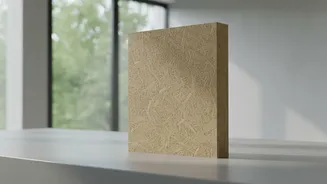
Wood-fibre insulation is an insulating material made from wood waste like sawdust and chips from the sawmill industry. These wood fibres, often sourced from renewable forestry, are processed and formed into rigid boards, flexible batts, or loose-fill
material. The production process often involves using the wood's natural binding agents or adding others to create a stable, durable product. This makes it a compelling option for green construction, as it turns industrial waste into a high-performance building component that helps reduce a home's carbon footprint even before it is installed. Its core appeal lies in being a plant-based, renewable, and often recyclable or biodegradable material, unlike many petroleum-based insulators.
The Promise of Durability and Performance
Research into wood-fibre insulation highlights several performance advantages. One of its key strengths is being 'vapour-permeable' or breathable. This means it can absorb and release moisture without losing its insulating properties, a crucial benefit in India's humid climates and during monsoon seasons. This ability helps regulate indoor humidity and prevents the build-up of mould and condensation within walls. Furthermore, it has excellent thermal mass, meaning it can absorb heat during the day and release it slowly at night, helping to keep interiors cooler in summer. While wood itself is combustible, the insulation is treated with fire retardants like borate, which allows it to char slowly and predictably in a fire without releasing toxic gases, offering valuable escape time.
A Head-to-Head Cost Comparison
The primary hurdle for wood-fibre insulation is its cost. Globally, it is priced at a premium compared to conventional materials. Reports suggest its cost can be significantly higher than fibreglass or polystyrene insulation. In India, where materials like rockwool, glass wool, and EPS (Expanded Polystyrene) panels are common and economical, the price difference is even more pronounced. While a Mumbai-based supplier lists wood wool boards for as low as ₹50 per square foot, this is often for simpler acoustic or packing-grade boards, not high-performance thermal insulation. High-density thermal boards, which are often imported, carry a much higher price tag, making the upfront investment a major consideration for the average homeowner or builder.
Wood Fibre vs. Traditional Insulation
When compared to traditional options, wood fibre's main advantages are environmental and performance-based, rather than financial. Unlike EPS or XPS (polystyrene) foams, which are petroleum-based and non-renewable, wood fibre is a carbon-sequestering, plant-based material. Compared to mineral wool (rockwool/glasswool), which can cause skin and lung irritation during installation, wood fibre is generally considered safer to handle. While mineral wool has excellent fire resistance, wood fibre offers superior moisture management. The decision often comes down to priorities: for the lowest initial cost, traditional materials like PUF Panels, EPS, and glass wool remain the go-to in the Indian market. For those prioritising sustainability, indoor air quality, and moisture control, wood fibre presents a compelling, albeit more expensive, alternative.
Availability and Outlook in India
Currently, high-performance wood-fibre thermal insulation is not widely manufactured or available in India. Most advanced products from global brands must be imported, which adds to the cost and logistical complexity. Listings on Indian B2B platforms often refer to 'wood wool boards,' which are typically used for acoustic panels, ceilings, or packing, rather than the dense boards required for wall and roof insulation. While there is a growing interest in sustainable materials like AAC blocks, fly ash bricks, and even coir-based insulation in India, wood-fibre foam remains a niche product. For it to become a scalable solution, local manufacturing would be essential to bring down costs and improve accessibility for builders and homeowners across the country.