




Why Humidity Makes a Difference
Exercising on a hot, humid day feels tougher for a reason. Normally, your body cools itself by sweating; as the sweat evaporates from your skin, it releases heat. But when the air is already full of moisture—as it is in high humidity—your sweat can't
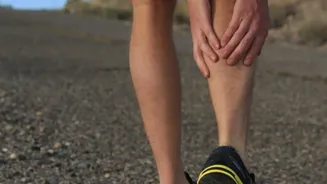
evaporate effectively. Your body is left working overtime to cool down, which can lead to a higher core body temperature, increased cardiovascular strain, and a greater risk of heat-related issues like heat exhaustion. This inefficient cooling process also means you often sweat more profusely, leading to significant fluid and electrolyte loss, which is a primary trigger for muscle cramps.
The Critical Role of Electrolytes
When you sweat, you don't just lose water; you lose essential minerals called electrolytes. The main electrolytes lost in sweat include sodium, potassium, calcium, and magnesium. These minerals carry small electrical charges that are vital for countless bodily functions, from maintaining fluid balance to enabling nerve signals and, crucially, facilitating muscle contractions and relaxation. An imbalance, particularly a deficit from heavy sweating, can disrupt these signals, leading to the involuntary, painful muscle spasms we know as cramps. While all are important, sodium is the electrolyte lost in the greatest quantity through sweat, while potassium is key for muscle function and relaxation.
Nature's Answer to Hydration
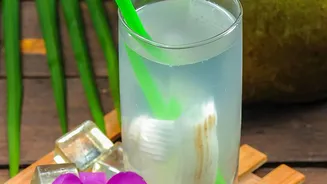
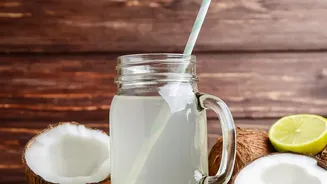
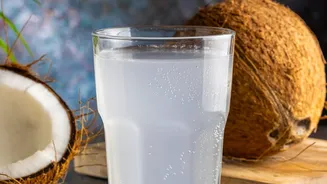
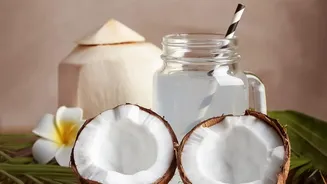
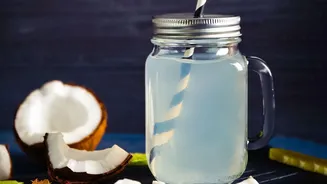
This is where coconut water enters the picture. Hailed as a natural sports drink, unflavoured coconut water is packed with electrolytes. It is particularly rich in potassium, often containing more than a banana in a single serving. It also provides other important electrolytes like magnesium, calcium, and some sodium. This potent combination makes it an excellent choice for rehydration and preventing muscle cramps, especially those caused by electrolyte imbalances from sweating. Unlike many commercial sports drinks, its sugars are naturally occurring, and it's generally low in calories.
The Coconut Water Advantage
For light to moderate exercise, such as yoga or a 30-minute jog, coconut water can be a superior choice to plain water for replacing lost electrolytes. Its high potassium content is especially beneficial for helping muscles relax and function properly. However, it's not a perfect solution for every situation. During long or very intense workouts (over 60-90 minutes) in the heat, you lose significantly more sodium than potassium. Most coconut waters are relatively low in sodium compared to what is lost in heavy sweat. In these scenarios, a traditional sports drink formulated with higher sodium might be more effective, or you could supplement your coconut water with a salty snack like pretzels or salted nuts to ensure you're replenishing all lost electrolytes.
Your Humid Workout Hydration Plan
To effectively use coconut water to combat cramps, think strategically. Start by pre-hydrating with about 250-500 ml of water or coconut water a couple of hours before your workout. For workouts under an hour, sipping coconut water during and after should suffice. For longer, more intense sessions in the humidity, consider a hybrid approach. You might alternate between coconut water and a higher-sodium sports drink, or simply add a pinch of sea salt to your coconut water to boost its sodium content. After your workout, aim to rehydrate with fluids and electrolytes to replace what you lost. Pay attention to your body; thirst is a good indicator, but by the time you feel it, you're often already on your way to being dehydrated.