



The Golden Month for Motoring
July is arguably the best month for a road trip to Ladakh, striking a perfect balance between accessibility and weather. By this time, both the iconic Srinagar-Leh and Manali-Leh highways are reliably open for traffic. Winter’s formidable snow walls have
been cleared by the Border Roads Organisation, transforming these routes from treacherous paths into the world's most scenic highways. While the rest of India contends with heavy monsoons, Ladakh, being in a rain-shadow region, enjoys mostly dry and sunny days. Expect daytime temperatures in Leh to hover between a pleasant 20°C and 25°C, though nights remain cool. This favourable climate makes July the peak season, ensuring all tourist facilities, from guesthouses to cafes, are open and ready to welcome travellers.
Choose Your Epic Journey
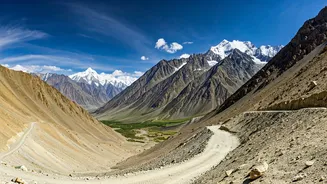
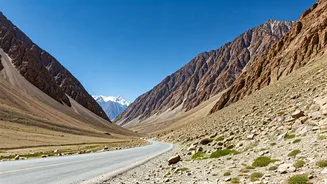
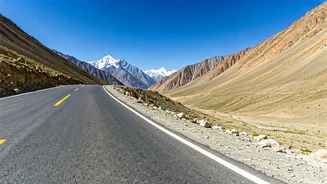
You have two classic paths to the heart of Ladakh, each offering a distinct narrative. The Srinagar-Leh highway is a 434-kilometre journey through meadows and dramatic passes like Zoji La. It offers a more gradual ascent, which is easier on the body and helps with acclimatization. The route takes you through the lush landscapes of Sonamarg and the historic town of Kargil before ascending into the arid Ladakhi plateau. The Manali-Leh highway, at around 430 kilometres, is a more rugged and challenging adventure. It crosses several high-altitude passes, including the formidable Baralacha La and Tanglang La, presenting a raw, high-altitude desert landscape from the get-go. While more demanding, it’s a non-stop panorama of geological wonders. By July, both routes are in their prime condition, though early morning starts are always wise to navigate traffic and potential slush from melting snow.
A Landscape in Full Colour
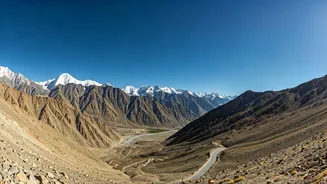
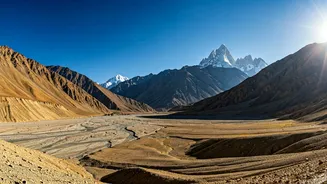
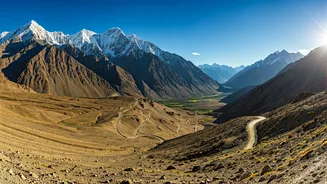
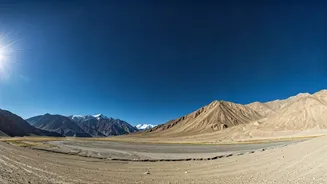
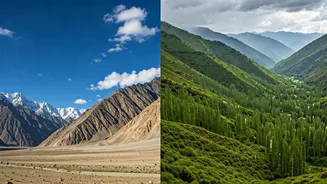
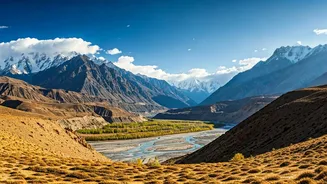
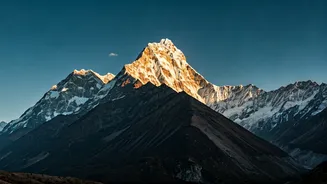
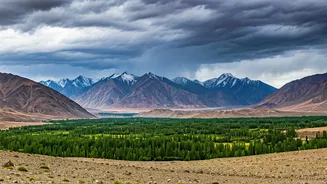
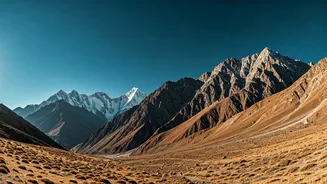
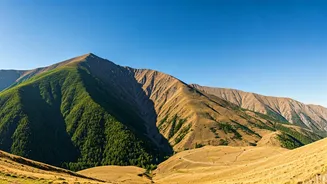
July transforms Ladakh. The stark, barren mountains that define its character are contrasted with surprising pockets of life. Valleys like Nubra and Suru are at their greenest, fed by glacial meltwater. The journey to Pangong Tso or Tso Moriri reveals lakes of an impossible blue, their colours most vivid under the strong summer sun. This is the time to witness the land of high passes in its most vibrant state. The journey itself is the destination, with every turn revealing a new vista, from soaring snow-capped peaks to deep gorges carved by ancient rivers. With internal roads to places like Nubra Valley, Pangong Lake, and Tso Moriri fully accessible, you can explore the region’s remotest corners without the uncertainty that plagues early or late season travel.
Culture and Festivities
A July trip offers more than just landscapes; it provides a chance to witness Ladakh's living culture. Several important monastic festivals take place during this month. While the famous Hemis Tsechu often occurs in late June, July has its own calendar of vibrant events. Keep an eye out for Phyang Tsedup at Phyang Monastery and Korzok Gustor, held at the stunningly located Korzok Monastery on the banks of Tso Moriri. The latter, often attended by the Changpa nomads, is a spectacular display of culture against a high-altitude backdrop. These festivals, with their masked 'Cham' dances and ancient rituals, offer a profound glimpse into the region's spiritual heritage.
Prepare for the Altitude
This adventure comes with a critical warning: altitude sickness is a real and serious risk. Leh is situated at 3,500 metres (about 11,500 feet), and ascending too quickly can lead to Acute Mountain Sickness (AMS). The cardinal rule is acclimatization. If you fly into Leh, you must dedicate at least 48 hours to complete rest before starting any journey to higher altitudes like Khardung La or Pangong Tso. Road travel via the Srinagar route helps, but rest is still paramount. Hydration is non-negotiable; aim to drink 3-4 litres of water daily. Avoid alcohol and smoking, as they hinder acclimatization. For any journey beyond Leh to places like Nubra Valley or the lakes, you will need an Inner Line Permit (ILP), which can be easily obtained online or through agents in Leh upon showing valid ID.