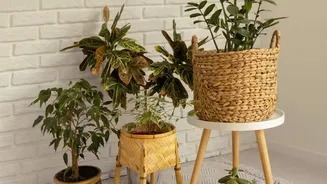






The Allure of Natural Fibres
From stylish cane chairs to rustic jute rugs, natural-fibre decor has become a defining trend in modern Indian homes. These materials offer an instant connection to nature, creating a sense of calm and sustainability. They are lightweight, versatile,
and add a layer of handcrafted elegance that synthetic materials often lack. The 'golden fibre' of jute, in particular, is celebrated for its biodegradable properties and rustic charm. Similarly, the flexibility and warmth of cane make it a timeless choice for furniture. This aesthetic appeal, however, comes with a practical consideration, especially in a country known for its monsoon seasons and coastal humidity.
Why Humidity Is the Enemy
Jute and cane are natural plant fibres, which means they are hygroscopic—they naturally absorb and release moisture from the air. In environments with high humidity (often above 60-70%), this becomes a significant problem. The trapped moisture creates a perfect breeding ground for mould and mildew, leading to musty odours and unsightly dark spots. Furthermore, this dampness attracts dust mites, microscopic pests that thrive in warm, humid conditions and can trigger allergies. Over time, constant exposure to moisture can weaken the fibres, causing jute to become brittle and cane to sag or lose its shape. This makes managing humidity a crucial part of owning this type of decor.
Smart Shopping and Placement
The first step to success starts before you even bring an item home. When shopping, inspect pieces carefully. Opt for cane furniture that has been treated or sealed, offering a better barrier against moisture. For jute, consider starting with smaller, more manageable items like placemats, wall hangings, or a small accent rug rather than a large, room-defining carpet. Placement is just as critical. Avoid using jute and cane in naturally damp areas like bathrooms, kitchens, or basements. Ensure good air circulation in the room by using fans or opening windows when the weather is dry. Using a dehumidifier during the monsoon season can be a game-changer, helping to maintain an ideal indoor humidity level of around 40-60%.
Your Essential Cleaning Toolkit
Caring for these materials doesn't require expensive products, just the right tools and techniques. Your primary weapon against dust is a vacuum cleaner with a soft brush attachment; never use the beater bar or rotating brush on jute, as it can fray the fibres. A soft-bristled paintbrush or a clean toothbrush is perfect for getting into the tight weaves of cane furniture. You'll also need clean, dry microfibre cloths for wiping surfaces. For spills and deeper cleaning, a simple solution of mild soap and water can be used sparingly, but it's vital to never soak the material. A 1:1 mixture of white vinegar and water can help tackle stubborn spots or early signs of mildew.
The Weekly Maintenance Routine
Consistency is key to keeping jute and cane pristine. Once a week, vacuum your jute rugs on both sides to remove dust and grit that can break down the fibres over time. For cane furniture, a thorough dusting with a soft brush or cloth prevents buildup in the weave. For both materials, it’s a good idea to shake out smaller items outdoors. If your home is particularly humid, ensure the pieces get plenty of air. Rotate rugs every few months to ensure even wear and sun exposure, which can help sanitize the fibres naturally, but avoid harsh, direct sunlight that can cause fading and brittleness.
Tackling Spills and Deep Cleaning
Accidents happen, but with natural fibres, you must act fast. If you spill a liquid on a jute rug, immediately blot the area with a clean, dry cloth—never rub. You can then sprinkle cornstarch or baking soda on the spot to absorb the remaining moisture, leaving it for 15-20 minutes before vacuuming it up. For cane furniture, a spill can be wiped with a slightly damp cloth with mild soap, but the area must be dried completely afterwards, using a fan or placing it in a well-ventilated spot away from direct sun. For musty odours, sprinkling baking soda over a dry jute rug overnight and vacuuming it the next day can work wonders.