






Why Your Skin Feels Different
Our skin acts as a protective barrier against the environment. When seasons shift, so do temperature and humidity levels, which directly impact this barrier. In colder, drier months, the air has less moisture, which can pull hydration from your skin,
leaving it feeling tight, flaky, and more sensitive. This can be made worse by indoor heating. Conversely, the shift to warmer, more humid weather can increase oil and sweat production, which may lead to clogged pores and breakouts. Understanding this helps explain why a routine that works in summer might not be enough in winter.
Switch to a Gentler Cleanser
The cleanser that cuts through sweat and oil in the summer can be too harsh when the air becomes drier. Foaming and gel cleansers can strip the skin of its natural oils, which are crucial for protection during colder months. Consider switching to a cream, milk, or hydrating cleanser that cleans without leaving your skin feeling tight. It’s also wise to use lukewarm water instead of hot, as high temperatures can further dehydrate your skin.
Upgrade Your Moisturiser
One of the most effective changes you can make is adjusting your moisturiser. Lightweight, water-based lotions that feel great in humid weather may not provide enough protection in a drier climate. As it gets colder, look for a richer, cream-based moisturiser to lock in hydration and support your skin's barrier. Ingredients like ceramides, hyaluronic acid, shea butter, and glycerin are excellent for attracting and retaining moisture. For oily or combination skin, a richer non-comedogenic formula can provide needed hydration without clogging pores.
Don't Put Away the Sunscreen
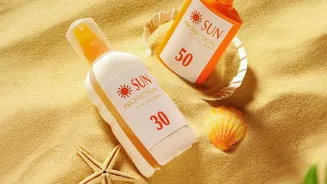
This is a non-negotiable step, no matter the season. Many people believe sunscreen is only for sunny summer days, but harmful UV rays are present yearround, even when it's cloudy. Up to 80% of the sun's rays can penetrate cloud cover. Sun exposure can worsen dryness and damage the skin barrier. Continue to use a broad spectrum sunscreen with at least SPF 30 every single day on all exposed skin, including your face, neck, and hands. In winter, you might opt for a more hydrating sunscreen formula to add an extra layer of moisture.
Exfoliate with Caution
Exfoliation is important for removing dead skin cells and preventing a dull complexion, but your approach may need to change. Overexfoliating in dry, cold conditions can compromise your skin's protective barrier, leading to irritation and redness. If you were exfoliating several times a week in the summer, consider reducing the frequency. Opt for gentler chemical exfoliants, like those with lactic acid, over harsh physical scrubs, especially if your skin is feeling sensitive.
Listen to Your Skin
Ultimately, the best guide is your own skin. Pay attention to how it looks and feels. If you notice tightness, add more hydration. If you see more oiliness, perhaps a lighter moisturiser is in order. It's best to introduce changes one at a time and give your skin a week or two to adjust before making another swap. Simple lifestyle habits, like using a humidifier indoors during winter and staying hydrated by drinking plenty of water, can also offer significant support to your skin from the inside out.