




Understanding the Danger of Overfilling
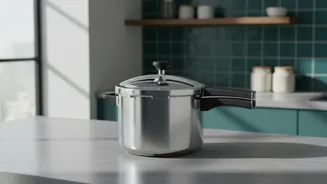
The most common user error with a pressure cooker is simply putting too much inside. A pressure cooker works by boiling liquid to create steam, which builds pressure and raises the cooking temperature. For this to happen, there must be enough empty space,
or headspace, for steam to accumulate. When you overfill the pot, you reduce this crucial headspace. This can lead to a few problems. The food may not cook properly, as pressure struggles to build. Worse, excess liquid and food particles can be forced into the cooker's safety valves and vents, causing blockages.
The Simple Rules for Filling
To avoid overfilling, follow two basic guidelines that apply to nearly all models. First, never fill the pot more than two-thirds full, which is often marked with a "MAX" line on the inner pot. This rule applies to most liquids and solids. Second, for foods that expand or foam during cooking—such as beans, lentils, grains, and pasta—you should only fill the pot to the halfway mark. This gives these foods ample room to grow without clogging the steam release mechanisms. Following these fill lines is the single best thing you can do to ensure your cooker operates safely and effectively.
Why Clean Vents Are Non-Negotiable
The lid of your pressure cooker is a sophisticated piece of engineering with several safety features, the most important being the steam vent and pressure valves. The primary steam vent, or valve, is what you use to release pressure manually. Other valves, like the float valve, pop up to show the unit is pressurized and act as a locking mechanism. An anti-block shield often covers the main vent from the inside to prevent food from clogging it. If these pathways are blocked by food debris or starchy buildup, the cooker cannot release steam correctly. This can cause pressure to build to unsafe levels or prevent the lid from sealing or opening properly.
Your Post-Cooking Cleaning Checklist
Proper maintenance is simple and takes only a few minutes. After each use, once the cooker is cool, disassemble the lid for cleaning. Remove the silicone or rubber gasket and wash it, along with the lid, in warm, soapy water. Pay special attention to the steam release valve and float valve. The anti-block shield on many electric models can be removed to clean the vent pipe thoroughly. Use a small brush or a pipe cleaner to ensure the steam vent is completely clear of any food particles. Let all parts dry completely before reassembling the lid. A clean lid is a safe lid.
Warning Signs of a Problem
Your pressure cooker will usually tell you when something is wrong. Be attentive to these signs. If steam is leaking from the edges of the lid instead of the valve, it means the gasket isn't sealed properly. This could be due to a dirty or damaged gasket, or the lid not being aligned correctly. If the float valve doesn't pop up, the cooker isn't building pressure, likely due to insufficient liquid or a poor seal. Conversely, if the float valve is stuck up long after the cooking cycle, pressure is trapped inside, and you should never try to force the lid open. A rattling noise can also indicate that pressure is too high.