


The Lure of the Lunar Poles
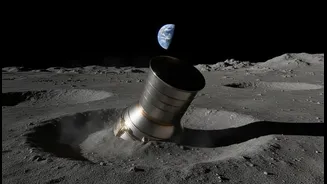
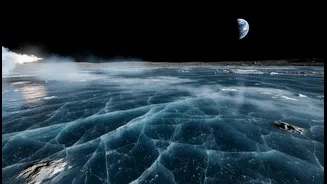
The Moon’s south pole has become the hottest real estate in the solar system. The reason is water, frozen in permanently shadowed regions (PSRs) where sunlight never reaches. This ice, potentially billions of years old, is more than just a scientific
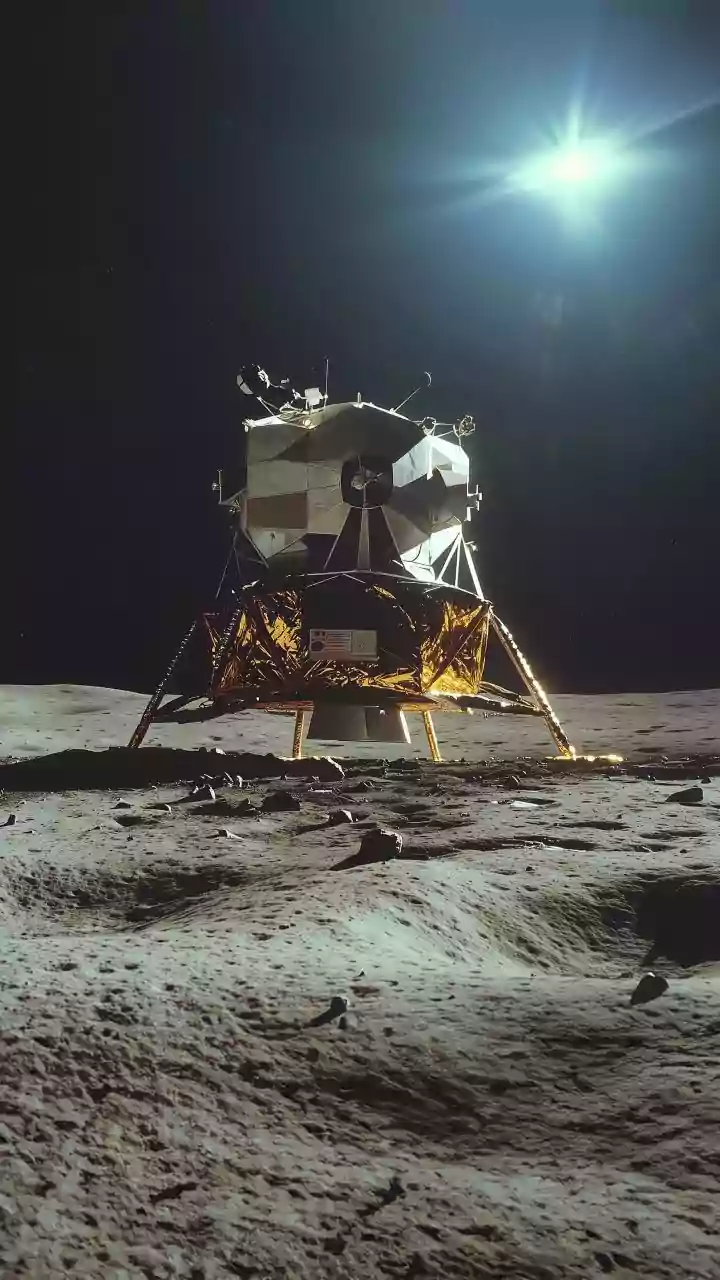
treasure chest; it's a vital resource. For future long-term missions, this water could be harvested for drinking or split into hydrogen and oxygen to produce breathable air and rocket fuel. This potential has triggered a flurry of activity. India's successful Chandrayaan-3 landing in 2023 was a landmark, and nations like China, alongside a growing number of private companies funded by NASA, are all planning missions. NASA's Artemis program aims to land astronauts near the south pole by 2028, with the long-term goal of establishing a sustained human presence.
What Is Planetary Protection?
Planetary protection is a guiding principle for space missions designed to prevent biological contamination. It works in two directions. First is 'forward contamination,' which is the risk of carrying microorganisms from Earth to another celestial body. The second is 'backward contamination,' the risk of bringing potentially harmful extraterrestrial life back to Earth. The core goal is to preserve the pristine nature of other worlds so we can study them without our own biological baggage confusing the results. If we're searching for signs of past or present life on Mars or Europa, we need to be sure we're not just finding microbes that hitched a ride on our own lander.
A Priceless, Frozen Record
For decades, the Moon was considered a low priority for planetary protection. With no atmosphere and extreme temperatures, it was seen as biologically uninteresting. However, the discovery of water ice in PSRs changed everything. These ultra-cold craters act as cosmic refrigerators, preserving a record of the solar system's history. The ice may contain clues about the origin of water in our corner of the universe and the prebiotic chemistry that led to life on Earth. Introducing Earth-based microbes or even just organic compounds from rocket exhaust could irrevocably contaminate this record. This concern prompted the Committee on Space Research (COSPAR), the international body that sets planetary protection guidelines, to re-evaluate its stance on the Moon.
The Contamination Conundrum
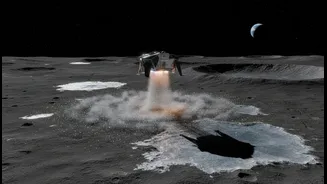
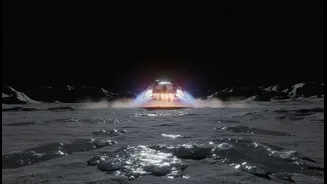
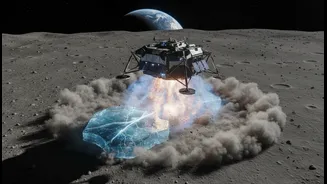
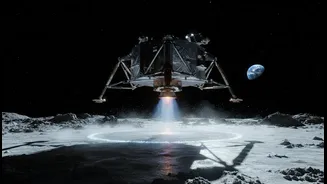
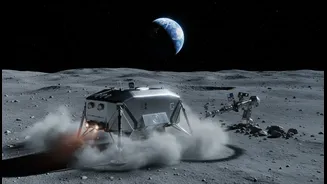
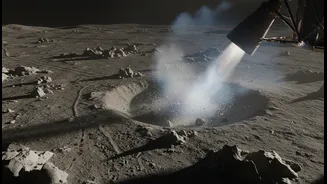
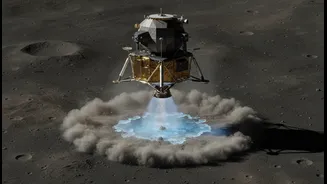
The risk is twofold. First, rocket exhaust from a landing spacecraft can spread widely and quickly across the Moon's surface due to the lack of a thick atmosphere. Studies have shown that a significant percentage of water vapor from a lander's exhaust can disperse globally in hours and eventually freeze out in the cold traps at the poles, mixing with the native ice. This could confuse future scientific analysis. Second, there is the biological risk. While sterilizing a spacecraft is standard procedure, it's impossible to eliminate every single microbe, especially on human missions. Hardy microorganisms from Earth could potentially survive the journey and, if introduced into the icy, protected environment of a PSR, could contaminate it, destroying its scientific value forever. This has created a direct conflict between the desire to utilize lunar ice as a resource and the need to preserve it for science.
Outdated Rules in a New Space Age
The foundational legal framework for space is the 1967 Outer Space Treaty. Article IX calls on nations to explore space so as to avoid its “harmful contamination.” This treaty was signed by all major spacefaring nations and its principles are considered binding international law. However, it was written long before the rise of private space companies and before we knew about the scientific importance of lunar polar ice. The guidelines for how to implement the treaty are developed by COSPAR, but these are not legally binding. COSPAR has updated its policy, creating a special sub-category for missions targeting the lunar poles that requires more stringent documentation, including an inventory of organic materials on the spacecraft. But with numerous commercial and national actors now in the game, many argue these guidelines are not enough to prevent a tragedy of the commons, where the rush for resources destroys a priceless shared scientific asset.