



Chai: The Unquestioned Ritual
Let’s be clear: chai is not in trouble. It remains the undisputed king of Indian beverages, the very lifeblood of our daily routines. It’s the first thing we crave in the morning, the punctuation mark in our workday, and the default catalyst for every
social gathering. From the roadside stall brewing kadak chai in a large pot to the fancy tearoom offering first-flush Darjeeling, tea is a non-negotiable cultural institution. For decades, it has been the headline act. Everything else, especially the snacks served alongside it, was part of the supporting cast.
The Dependable Supporting Act
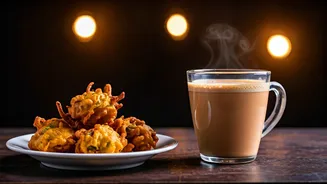
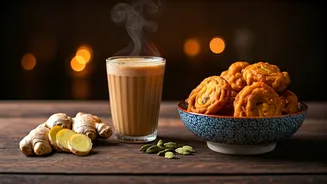
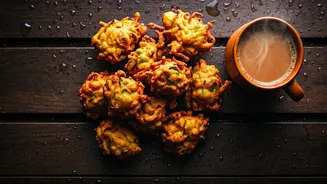
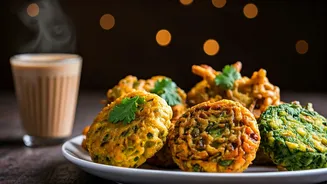
Enter the pakora. For as long as we can remember, it has been chai’s most loyal companion. Traditionally, these deep-fried fritters were a simple affair: sliced onions, potatoes, spinach, or cauliflower, dunked in a spiced gram flour (besan) batter and fried to golden perfection. They were the perfect answer to a sudden shower, a quick fix for evening hunger pangs, and the most reliable offering for unexpected guests. The pakora was humble, comforting, and predictable. It never tried to outshine the chai; it was there to complement it, to absorb it, to create a perfect harmony of hot, sweet, milky tea and a crispy, savoury bite. It was a partnership built on tradition, and for a long time, nobody questioned the hierarchy.
A Gourmet Revolution in Batter
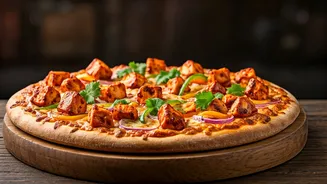
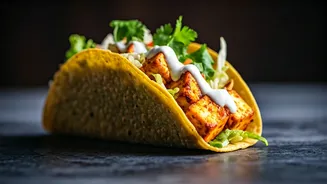
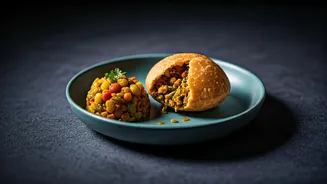
But something has shifted. The humble pakora is undergoing a radical transformation, a culinary glow-up that is impossible to ignore. Kitchens across the country—from street vendors to high-end restaurants—are experimenting with it in ways our grandparents would never have imagined. The revolution is happening inside the batter. We now have paneer pakoras oozing with cheese, chicken tikka pakoras offering a protein punch, and even Maggi noodle pakoras that have become a viral sensation. Health-conscious foodies are creating versions with quinoa, oats, and air-fried vegetables. The simple onion and potato have made way for baby corn, mushrooms, bread slices stuffed with schezwan sauce, and even seafood. This creative explosion has turned the pakora from a one-note snack into a versatile culinary canvas.
Beyond the Monsoon Monopoly
This innovation has helped the pakora break free from its most significant limitation: its association with the monsoon. It's no longer just a rainy-day indulgence. Crispy, creatively filled pakoras are now a year-round staple. They feature prominently on party menus as sophisticated appetisers. They are the star of evening snack platters at home. Cafes and modern Indian eateries have put them on their all-day menus, positioning them not just as a tea-time snack but as a legitimate dish in their own right, perfect for any time of day. This newfound availability has given the pakora a constant presence in our lives, far beyond the four months of rain.
The Rise of the Pakora Platter
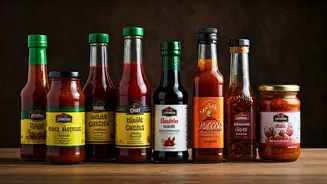
Perhaps the most telling sign of the pakora’s rising status is how it's being served. Gone are the days of a simple steel plate with a dollop of ketchup. Today, the pakora commands its own stage. We're seeing the emergence of the 'pakora platter' or 'pakora basket'—a curated selection of different types of fritters, artfully arranged and served with an array of artisanal dips. Instead of just mint chutney, there’s spicy mayo, tamarind-date sauce, garlic aioli, and yogurt-based dips. This presentation elevates the pakora from a side dish to a main event. It invites you to explore different flavours and textures, making the experience of eating pakoras as important as the chai you might (or might not) order with it. It’s no longer an accessory to tea; it’s an experience in itself.