
Why the Moon Dominates the Night
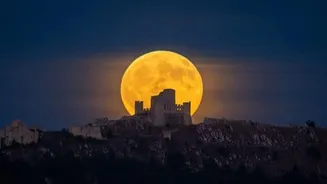
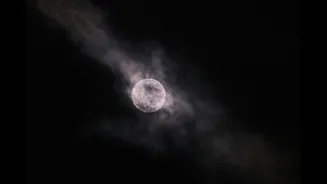
The moon, beautiful as it is, acts as a massive source of natural light pollution. Its reflected sunlight scatters across Earth's atmosphere, creating a sky glow that significantly reduces the contrast between faint celestial objects and the dark sky.
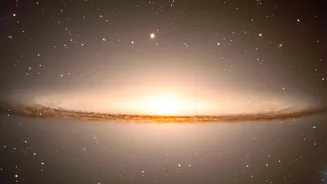
During a full moon, the number of stars visible to the naked eye can drop by as much as 90%, from around 3,000 in a dark, moonless sky to just 300. This is why deep-sky objects like the Milky Way, distant galaxies, and nebulae become virtually invisible. Think of it like trying to hear a whisper at a loud concert; the moon’s brightness simply outshines the delicate light from distant stars.
A Stargazer's Dream: The New Moon
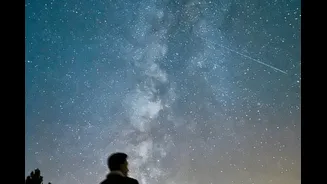
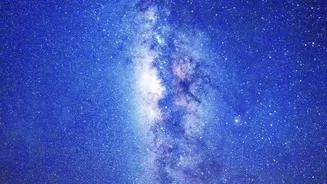
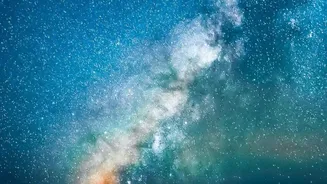
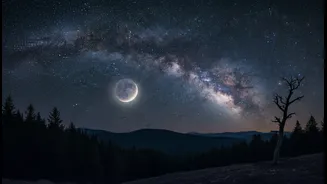
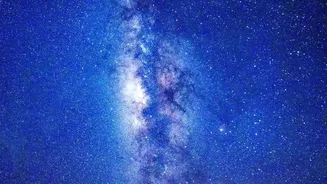
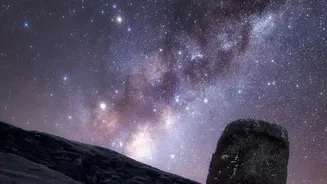
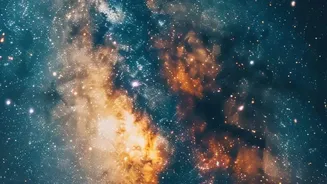
For astronomers and hobbyists, the new moon is the main event. This phase occurs when the moon is positioned between the Earth and the sun, so its dark side faces us, making it invisible in the night sky. With no moonlight to compete with, the heavens reveal their full glory. This is the absolute best time to hunt for faint, deep-sky objects. The magnificent band of the Milky Way is on full display, and star clusters and nebulae become easier to spot with binoculars or a small telescope. Planning your trips to dark-sky locations during the new moon will give you the most breathtaking and rewarding stargazing experience.
The Best of Both Worlds: Crescent and Quarter Moons
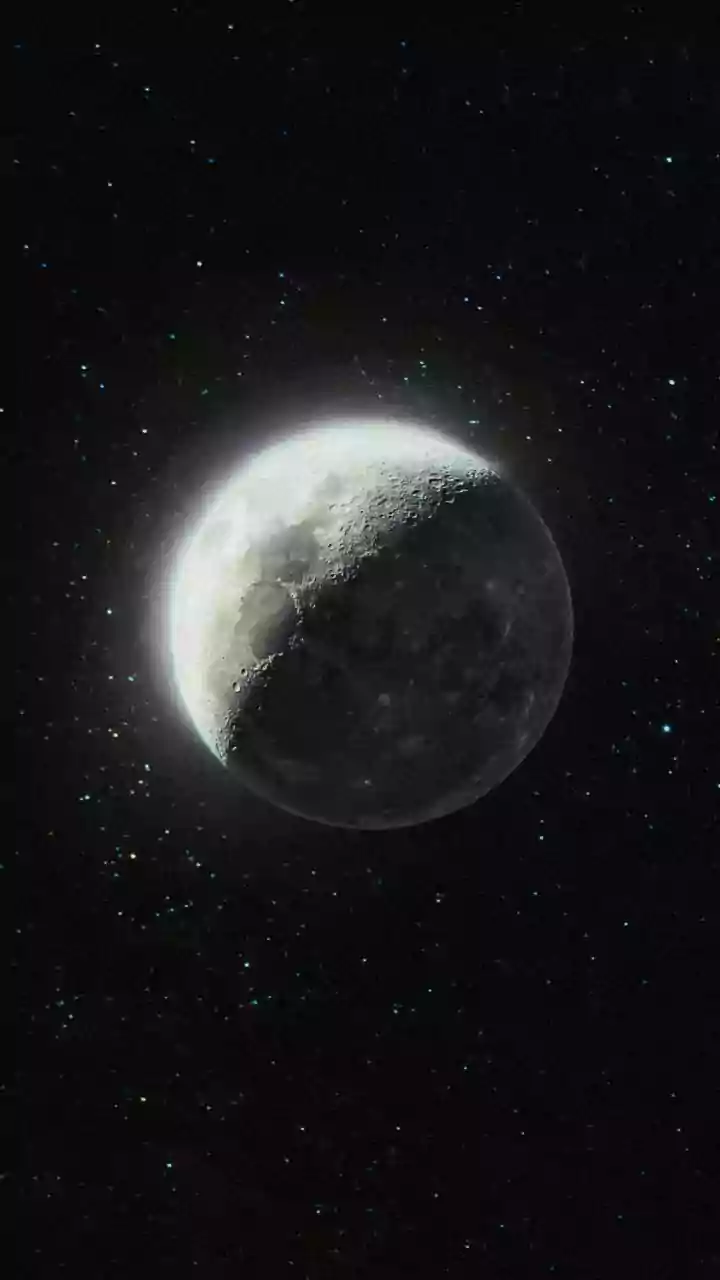
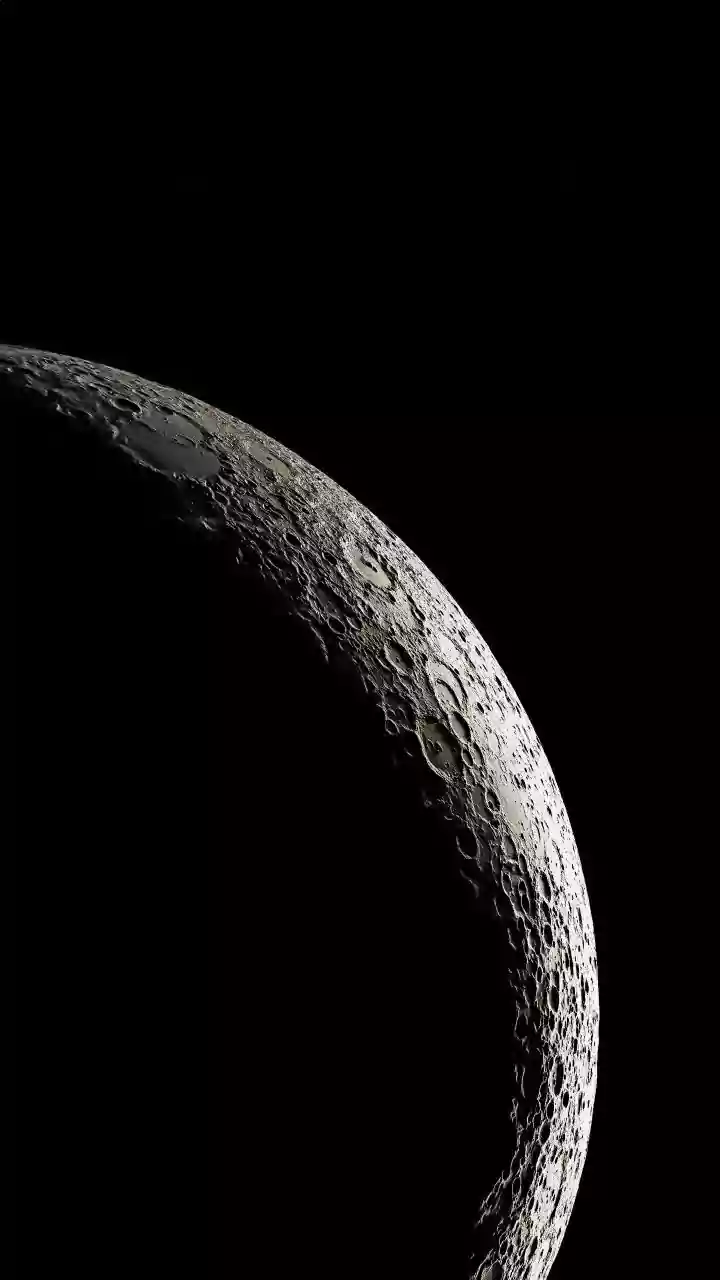
You don’t have to wait for a new moon to enjoy the stars. The nights following a new moon (waxing crescent) and the nights leading up to it (waning crescent) offer a fantastic compromise. A thin crescent moon sets early in the evening or rises late in the morning, leaving you with hours of dark sky. A quarter moon, which is half-lit, provides enough light to see your surroundings but isn't bright enough to completely wash out the sky. In fact, many find this balance beautiful, offering a view of the moon's own craters and mountains along the terminator—the line between light and dark—while still allowing for good views of many brighter star patterns and planets.
Embracing the Full Moon
A full moon might be the worst time for viewing faint galaxies, but that doesn't mean you have to pack your telescope away. Instead, shift your focus. A full moon night is the perfect opportunity for 'lunar tourism'. Turn your binoculars or telescope on the moon itself; while the lack of shadows makes craters less defined, you can still observe the vast, dark lava plains called 'maria'. Furthermore, a bright moon can't hide everything. The brightest planets like Jupiter, Saturn, and Mars will still be clearly visible. It's also an excellent time to spot bright double stars and familiar constellations, as only the most prominent stars will punch through the moonlit glow.
Tips for Any Lunar Phase
Regardless of the moon's phase, a few universal tips will always improve your stargazing. First, escape artificial light pollution. Getting as far away from city lights as possible is crucial for seeing anything beyond the brightest stars. Second, give your eyes time to adjust. It takes about 20 to 30 minutes for your eyes to become fully dark-adapted, a process that can be ruined by a bright moon or a quick glance at your phone screen. Use a red-light torch to preserve your night vision. Finally, know what you're looking for. Use a star chart or a planetarium app on your phone (in night mode!) to identify constellations, planets, and other objects that should be visible on any given night.