



Your First Line of Defence: The Right Rainwear
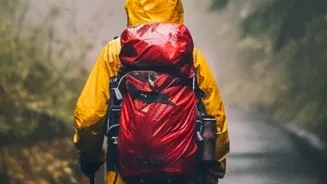
A high-quality waterproof jacket or poncho is non-negotiable. While a simple umbrella might suffice for a city stroll, it's often unreliable against the strong, gusty winds common in hill stations and coastal areas. Look for a lightweight, breathable,
yet sturdy raincoat that can be packed easily. A poncho offers the added advantage of covering you and your backpack, but some find them cumbersome on steep climbs. Whatever you choose, ensure it is genuinely waterproof, not just water-resistant, as the latter will saturate during prolonged downpours. This single piece of gear is your primary shield against getting soaked and catching a chill.
Footwear: Grip is Everything
The right footwear can make or break a monsoon trip. Slippery surfaces, from muddy trails to mossy stone steps, are a constant hazard. Avoid leather shoes, canvas sneakers, and even simple flip-flops, as they either get ruined, take forever to dry, or offer no grip. For trekking, opt for waterproof hiking shoes with a high ankle cut and deep lugs for superior traction on wet rock and mud. For more casual sightseeing, waterproof sandals or floaters with rubber soles are an excellent choice, as they allow water to drain and dry quickly. It’s also wise to pack an extra pair of quick-drying socks to keep your feet dry and prevent blisters.
Protect Your Gear: Waterproof Bags and Covers
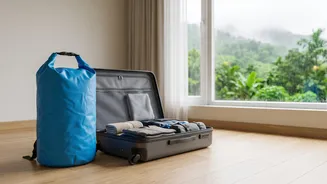
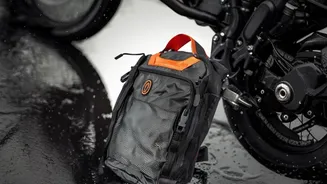
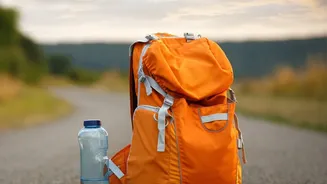
Keeping your belongings dry is a top priority. Start with a waterproof backpack or, at a minimum, a durable rain cover that fits your pack snugly. For internal organisation and superior protection, use dry bags or waterproof stuff sacks. These are essential for separating wet clothes from dry ones and safeguarding your most critical items. For electronics like your phone, camera, and power bank, individual waterproof pouches or even reliable ziplock bags are a must. Remember, humidity can be as damaging as direct rain, so consider packing a few silica gel packets inside your electronics bags to absorb ambient moisture.
Clothing Strategy: Ditch the Cotton
Cotton is the worst fabric to wear during the monsoon. It absorbs a tremendous amount of water, becomes heavy, and takes ages to dry in high humidity, leaving you feeling cold and uncomfortable. Instead, pack clothes made from quick-drying synthetic fabrics like polyester and nylon. These materials wick moisture away from your skin and will dry in a fraction of the time. Knee-length pants or shorts are more practical than full-length trousers, which can get soaked and muddy at the hems. Also, pack a lightweight fleece or wool layer, as evenings in high-rainfall zones can get surprisingly cold.
On the Road: Driving Safely in the Rain
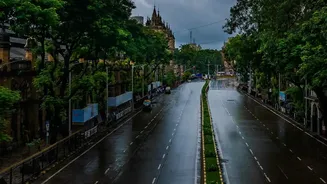
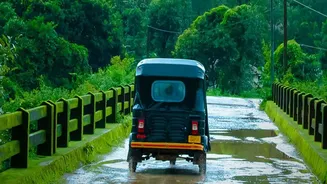
If you're driving, remember that safety protocols change drastically in the rain. Reduce your speed and increase the distance between you and the vehicle ahead. Before you leave, check that your tyres have good tread and that your wipers and headlights are in perfect working order. The most critical rule is to never drive through standing water. It's impossible to judge its depth, and as little as 12 inches of rushing water can carry away a car. If you encounter a flooded road, it's always safer to turn around and find an alternate route. Be prepared for delays and plan your route in advance, checking weather reports for any flood warnings.
Health and Wellness Essentials
The monsoon brings an increased risk of mosquito-borne illnesses and fungal infections. Pack a reliable insect repellent containing DEET or picaridin. Antifungal powder can also be a lifesaver, helping to prevent skin issues caused by dampness. Your first-aid kit should be well-stocked with antiseptic wipes, bandages, pain relievers, and any personal medications. It's also a good idea to carry water purification tablets or a portable filter, and to be cautious about street food and untreated water to avoid water-borne diseases.