



The Buzz About Pollinators
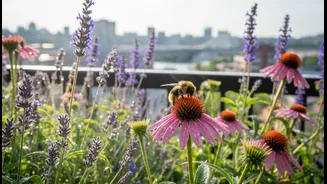
Before we get our hands dirty, let's talk about who we're inviting to the party. Pollinators are the unsung heroes of our ecosystem. They are the bees, butterflies, birds, moths, and even some beetles that transfer pollen between flowers, a vital process
for plant reproduction. Globally, nearly 90% of wild flowering plant species depend on them. In India, this service is critical for our food security, with more than half of our cultivated plants needing pollinators to produce fruits, seeds, and nuts. From the apples in Himachal to the coffee in Karnataka and the mustard fields in Rajasthan, these tiny workers are essential for both crop yield and quality.
A Quiet Crisis in Our Backyards
Unfortunately, these crucial partners are in trouble. Across India, pollinator populations are facing a decline. This is due to a combination of factors, including habitat loss from urbanization and deforestation, as well as the widespread use of chemical pesticides that can be toxic to insects. Studies have noted significant drops in native bee populations in some regions, and farmers anecdotally report seeing fewer bees and butterflies than in previous decades. This decline doesn't just threaten wild ecosystems; it directly impacts our food supply, with some farmers resorting to manual pollination because there aren't enough natural pollinators to do the job.
Choosing Your Pollinator Champions
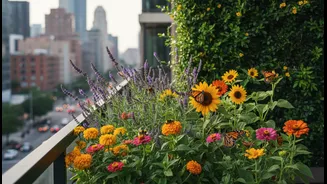
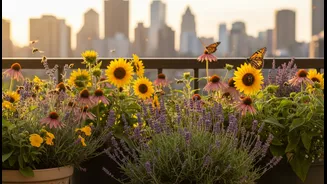
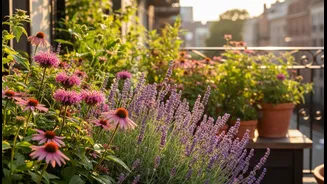
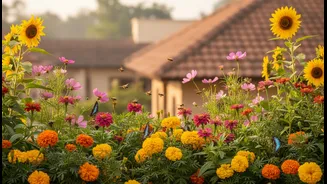
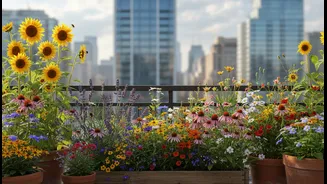
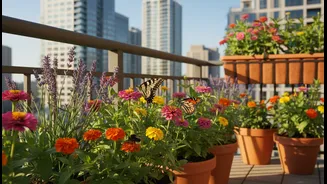
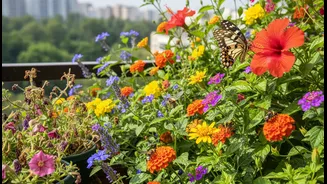
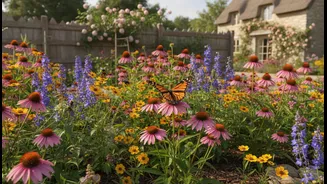
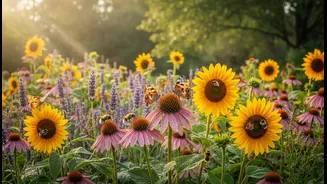
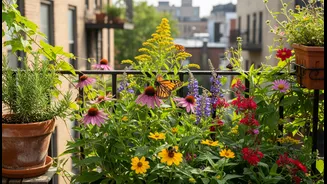
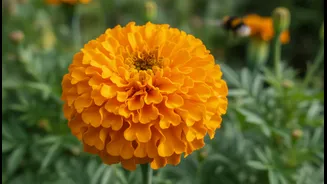
The good news is that every garden, no matter how small, can be a part of the solution. By choosing the right plants, you can create a vibrant, life-sustaining oasis. You don't need exotic or difficult species. Many of India's most beloved and easy-to-grow flowers are pollinator magnets. Marigolds (Genda) are a fantastic choice, attracting bees and butterflies with their bright blooms while also helping to deter pests. Sunflowers (Surajmukhi) are another powerhouse, offering huge amounts of pollen and nectar that bees adore. Don't forget the fragrant Tulsi (Holy Basil); its small, delicate flowers are a favourite among butterflies and bees. Other excellent options include the cheerful Cosmos, nectar-rich Hibiscus, and fragrant Lavender.
How to Create a Pollinator Paradise
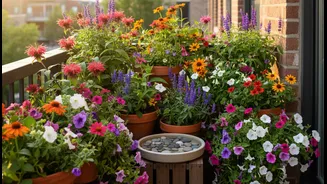
Once you have your plants, a few simple strategies can make your garden irresistible. First, go chemical-free. Avoid pesticides and herbicides, which can harm or kill pollinators. Opt for natural pest control methods like using neem oil. Second, provide a water source. A shallow dish of water with pebbles or marbles for insects to land on will give them a safe place to drink. Third, plant in clusters. Grouping flowers together creates a more visible target, making it easier for pollinators to find them and forage efficiently. Finally, think about variety. Planting a mix of flowers with different shapes, colours, and bloom times will attract a wider range of pollinators and ensure a steady food supply throughout the seasons.