




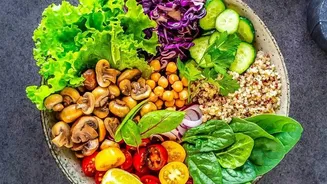
Moving Beyond Single Nutrients
For years, the conversation around nutrition often felt like a chemistry lesson, focused on isolating specific vitamins, minerals, and macronutrients. This reductionist approach led to an explosion of fortified products and dietary supplements, promising
quick fixes for nutritional gaps. However, leading research bodies in India are now championing a more holistic perspective. The Indian Council of Medical Research (ICMR) and the National Institute of Nutrition (NIN) are highlighting that the magic isn't in a single component, but in the complex synergy of nutrients found in whole foods. This shift acknowledges that nutrients from natural sources are often better absorbed and utilized by the body because they come packaged with fiber, phytonutrients, and antioxidants that work together. The focus is moving from what individual nutrients can do, to what a complete meal pattern can achieve.
The Science Behind the Indian Thali
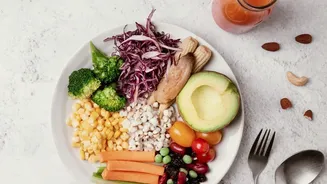
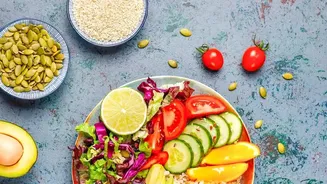
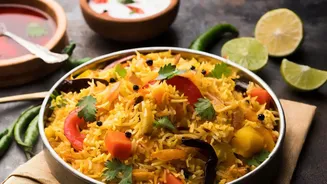
The traditional Indian thali is a perfect embodiment of this food-first philosophy. It isn't just a random assortment of dishes; it's a carefully constructed meal that balances different food groups. A typical thali ensures a mix of cereals and millets for energy, pulses for protein, vegetables for vitamins and minerals, and often a portion of curd for probiotics and calcium. The latest Dietary Guidelines for Indians, released in 2024, reinforce this principle. They recommend that vegetables, fruits, and leafy greens should form essentially half the plate. The guidelines specifically advise obtaining good quality proteins through combinations of foods, like dal and rice, which is a cornerstone of Indian cuisine. This time-tested meal pattern naturally promotes dietary diversity, which is crucial for preventing both nutrient deficiencies and the rise of non-communicable diseases.
A Clear Warning on Processed Foods
A key driver of this renewed focus on whole foods is the mounting evidence against ultra-processed foods (UPFs). The ICMR has clearly indicated that a high intake of UPFs is associated with increased risks of obesity, type 2 diabetes, and cardiovascular diseases. These foods, often high in unhealthy fats, sugar, and salt, are becoming more common in Indian diets, particularly in urban areas. In response, the 2024 guidelines strongly recommend minimizing the consumption of UPFs and avoiding sugar-sweetened beverages. The guidelines go a step further by empowering consumers, urging them to read food labels to make informed choices. The message is clear: enriching a processed product with a few nutrients does not make it a healthy or wholesome choice.
Putting It on Your Plate
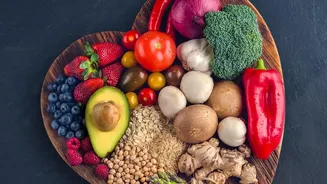
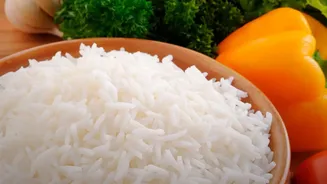
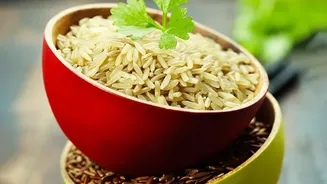
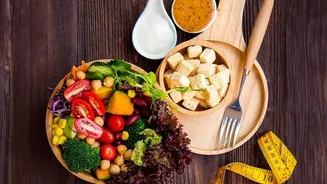
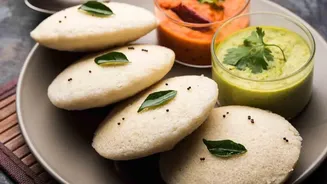
Adopting this approach doesn't require a radical diet overhaul or expensive, exotic ingredients. It's about making conscious, simple choices. The ICMR-NIN guidelines suggest practical steps like ensuring at least 50% of your cereal intake comes from whole grains like millets and brown rice. They also recommend increasing daily vegetable intake to at least 400 grams, including a generous portion of green leafy vegetables. Instead of relying on protein powders, the guidelines favour combinations of pulses, nuts, milk, and eggs. The core idea is to prioritize fresh, minimally processed foods that are locally available and culturally familiar. It’s a return to the basics of Indian cooking, emphasizing the variety and nutritional richness that our traditional food culture offers.