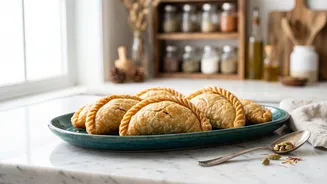






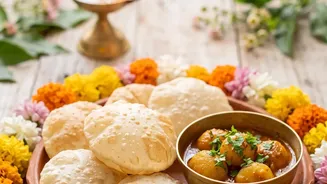
An essential part of any festive spread, the golden, crescent-shaped gujiya is a delight. This guide breaks down every step, from dough to frying, ensuring your homemade sweets are the star of the celebration.
The Foundation: Perfecting the Dough
The secret to a truly memorable gujiya lies
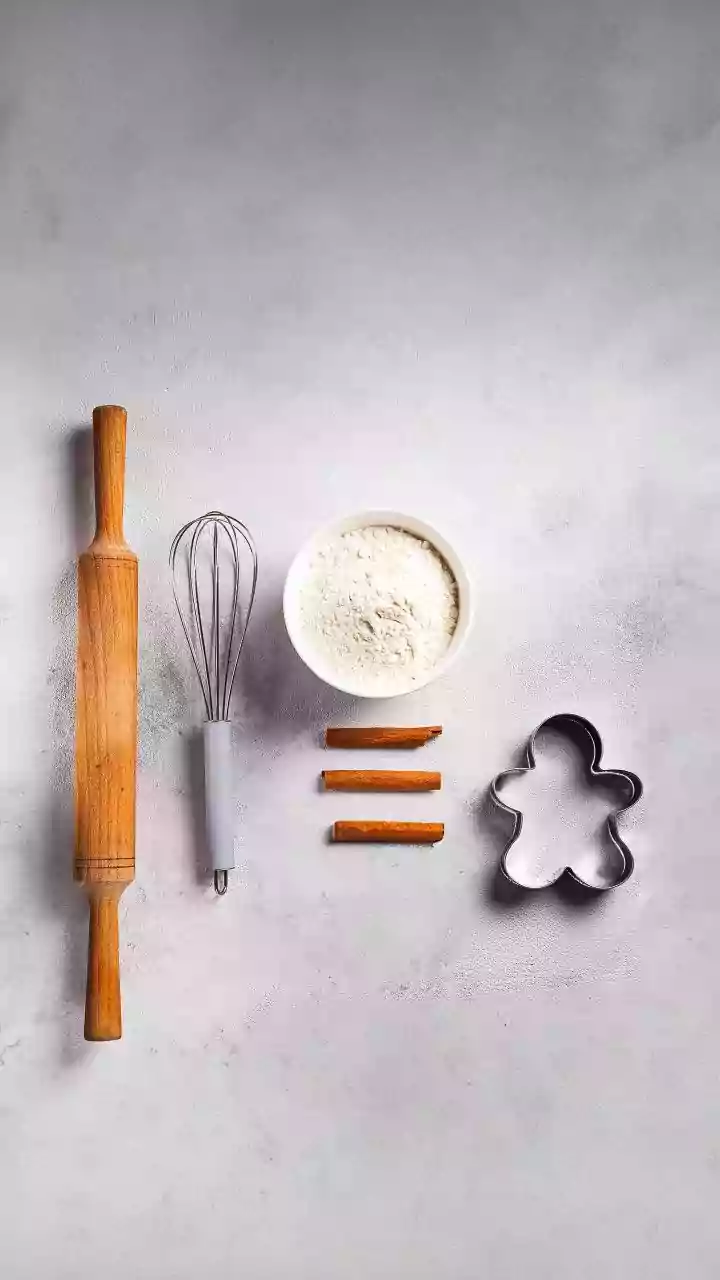
in its crispy, flaky shell. Achieving this perfect texture starts with a simple, yet precise, dough. For the outer covering, you will need all-purpose flour (maida), a generous amount of ghee for 'moyan' (fat), and water to bind it all together. The key is the ratio of ghee to flour; this is what creates the bubbles and crispiness upon frying. Begin by rubbing the ghee into the flour with your fingertips until the mixture resembles breadcrumbs. This process is crucial as it coats the flour particles, preventing gluten from developing too much and ensuring a tender, not tough, crust. Once the fat is incorporated, add cold water little by little, kneading gently to form a firm, but pliable dough. It should not be soft like a chapati dough. Over-kneading will make the gujiyas hard, so be mindful. Cover the prepared dough with a damp cloth and let it rest for at least 30 minutes. This resting period is non-negotiable; it allows the gluten to relax, making the dough easier to roll and shape without shrinking.
The Soul: Crafting a Delectable Filling
While the dough rests, you can prepare the heart of the gujiya: its sweet, aromatic filling. The most traditional filling is made with khoya (mawa) or milk solids, which provide a rich, creamy base. To prepare it, crumble the khoya and roast it in a pan over low heat until it releases its aroma and turns a light pinkish colour. Let it cool completely before mixing in other ingredients, as adding sugar to hot khoya will cause it to melt and become runny. Other popular bases include roasted semolina (suji) or desiccated coconut, which offer different textures and flavour profiles. Once your base is cool, mix in powdered sugar, finely chopped nuts like almonds, cashews, and pistachios, and fragrant spices such as cardamom powder and nutmeg. Some recipes also include raisins or chironji (charoli seeds) for added texture and sweetness. The filling should be completely cool and dry before you start shaping the gujiyas; a moist filling can make the dough soggy and cause the gujiyas to break open while frying.
The Art of Shaping and Sealing
This is where the magic happens. After the dough has rested, knead it gently for a minute and divide it into small, equal-sized balls. Roll each ball into a thin, even circle about 3-4 inches in diameter. Be careful not to make them too thick, which results in a doughy taste, or too thin, which can cause them to tear. Place a spoonful of the prepared filling onto one half of the rolled circle, leaving the edges clear. Apply a little water along the edges with your fingertip; this acts as a glue. Carefully fold the other half over the filling to create a crescent shape, pressing the edges firmly to seal. This seal is critical to prevent the filling from spilling out during frying. For a decorative and secure edge, you can either press the rim with a fork or use a special gujiya mould. For a truly traditional touch, learn the art of 'gothna' or pleating the edge by hand. This involves pinching and folding the edge over itself to create a beautiful, rope-like pattern. While it takes practice, the result is both stunning and effective.
The Golden Finish: Frying to Perfection
The final step to achieving gujiya glory is the frying process. The temperature of the oil (or ghee, for a richer flavour) is paramount. The heat should be low to medium. If the oil is too hot, the gujiyas will brown quickly on the outside, leaving the crust raw and uncooked onthe inside. If it is not hot enough, they will absorb too much oil and become greasy. To test the temperature, drop a small piece of dough into the oil; it should sizzle gently and rise to the surface slowly. Carefully slide the gujiyas into any pan , ensuring not to overcrowd it . Frying them in batches allows them to cook evenly . Fry them on a low flame , flipping them occasionally , until they are a beautiful , even golden - brown on both sides . This slow frying process is what makesthe crust perfectly crisp and bubbly . Once done , remove them with a slotted spoon and place them on a wire rack or absorbent paper to drain any excess oil .
Tips for Flawless Festive Sweets
To ensure your gujiyas are the talk of many table , keep a few expert tips in mind . First , always keepthe dough andthe shaped gujiyas covered witha damp cloth to preventthem from drying out . Second , do not overfillthe gujiyas ; too much filling will strainthe sealand cause themto burst open inthe hot oil . Third , ensure your filling is completely cooland has no moisture before you begin shaping . Finally , if you are a beginner , usinga gujiya mould is foolproof wayto get perfectly shapedand sealed sweets every time . Once cooled , you can store your gujiyas in an airtight container for upto two weeks , readyto be sharedand enjoyed throughoutthe festive season .