
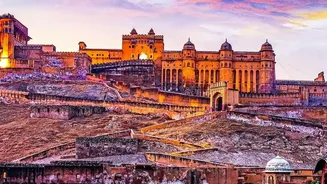
A New Chapter for Rajasthan Tourism
The Rajasthan government is actively broadening its tourism strategy, moving beyond the well-trodden paths of Jaipur, Udaipur, and Jaisalmer. Recent announcements confirm a strategic push to promote emerging destinations like Banswara, Bundi, and the Shekhawati
region. This initiative aims to showcase the state's diverse experiences, reduce pressure on traditional hubs, and encourage year-round travel. For travellers, this means a treasure trove of new and authentic experiences are being brought into focus, making destinations like Banswara more accessible and essential to consider for any comprehensive Rajasthan trip.
Welcome to the 'Cherrapunji of Rajasthan'
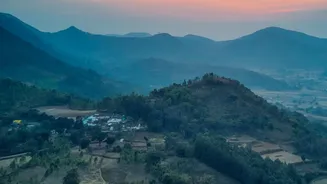
Nestled in southern Rajasthan near the borders of Gujarat and Madhya Pradesh, Banswara shatters the desert stereotype. It is famously known as the 'City of a Hundred Islands' due to the numerous islets formed by the Mahi River. The region also earns the nickname 'Cherrapunji of Rajasthan' because it receives the highest annual rainfall in the state. This rainfall transforms the landscape into a verdant paradise of rolling hills, dense teak forests, and brimming water bodies, especially during the monsoon. Its name is believed to have originated from the 'bans' or bamboo that grows abundantly, or from a 16th-century Bhil ruler named Bansia.
Essential Sights and Experiences
Banswara is rich in natural beauty and spiritual sites. The Mahi Bajaj Sagar Dam, the second largest in Rajasthan, is a man-made marvel offering spectacular views. The backwaters of the dam create the famous 'islands' at a spot called Chacha Kota. For a dose of serenity, the city offers Anand Sagar Lake, an artificial lake built by Rani Lanchi Bai surrounded by sacred Kalpa Vriksha trees, and the lotus-filled Dialab Lake. The Kagdi Pick Up Weir is another scenic spot with gardens and fountains. Spiritually, the area is anchored by the Tripura Sundari Temple, a revered Shakti Peeth housing a stunning idol of the goddess, and the Madareshwar Temple, a Shiva shrine set inside a cave on a hill that provides panoramic views.
The Heartbeat of Tribal Culture
More than half of Banswara's population is tribal, with the Bhil community forming the cultural backbone of the region. This offers a profound cultural experience distinct from the Rajput history that dominates other parts of Rajasthan. The tribal culture is vibrant and accessible through local festivals, music, and dance. While the major Baneshwar Fair is held at a nearby confluence of rivers, it's a key event for the region's tribal communities. Local markets are filled with handcrafted jewellery, bamboo artifacts, and colourful textiles, allowing visitors to engage with the local economy and take home a piece of Banswara's authentic soul.
How to Plan Your Banswara Trip
A trip of two to three days is ideal to explore Banswara's main attractions. The best time to visit is during the winter months, from October to February, when the weather is pleasant for sightseeing. The monsoon season, from July to September, is perfect for those who want to see the region at its greenest and witness waterfalls like Jua Falls in their full glory. Banswara does not have its own airport or major railway station. The most convenient way to reach it is by road. The nearest airport is in Udaipur (around 165 km away), and the closest major railway station is Ratlam in Madhya Pradesh (about 80 km away). Regular bus services and taxis connect Banswara to these hubs and other cities like Ahmedabad and Indore.