



Start With a Single Statement
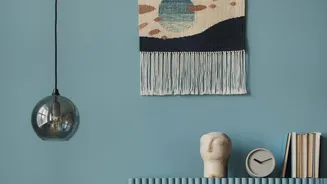
The easiest way to introduce any pattern into a minimalist space is to let one piece do all the talking. A large, framed piece of monochromatic Batik fabric hung on a prominent wall becomes living art. This approach honours the textile's craftsmanship,
turning its intricate wax-resist patterns into a commanding focal point. In a room defined by neutral walls and clean lines, a single expanse of black-and-cream or indigo-and-white Batik provides texture and a story without creating visual noise. The key is to give it space to breathe, ensuring it remains the undisputed hero of the room.
Layer with Purposeful Textiles
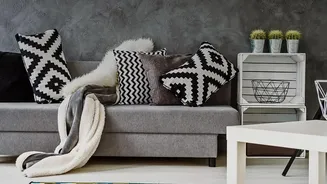
For a softer, more integrated approach, think in layers. Minimalist interiors thrive on texture to keep them from feeling cold, and this is where Batik can shine. Introduce a pair of throw cushions on a sleek, solid-coloured sofa or a folded Batik runner at the foot of a bed with crisp white linens. These smaller accents add a touch of cultural depth and pattern without overwhelming the senses. The trick is to stick to a strict monochromatic palette that complements your existing decor, ensuring the pattern adds richness, not chaos.
Ground the Room from the Floor Up
A patterned rug can anchor a minimalist living area, defining the space and adding a layer of warmth. A monochromatic Batik rug, whether a classic geometric pattern or a more organic floral motif, can tie a room together beautifully. It works especially well under a simple coffee table and alongside furniture with clean silhouettes. In a hallway or kitchen, a long Batik runner can introduce personality and guide the eye through the space. Because it's on the floor, the pattern feels integrated rather than intrusive, providing a foundation of artistry for the entire room.
Choose an Unexpected Element
Think beyond large textiles and consider where else Batik can make a subtle but impactful appearance. A single armchair or a small ottoman upholstered in a durable, monochromatic Batik fabric can become a cherished accent piece. This strategy allows you to introduce the pattern on a smaller scale, adding a bespoke, designer touch. Other creative options include lampshades with a delicate Batik pattern, which create a beautiful play of light and shadow, or a set of curated ceramic trays with Batik-inspired motifs placed on a console table.
Master the Monochromatic Balance
The success of this pairing lies in colour control. 'Monochromatic' doesn't just mean black and white. It can be shades of indigo and cream, charcoal and grey, or deep brown and beige. Choose a two-tone palette that aligns with your minimalist interior's existing colours. This ensures the intricate details of the Batik pattern provide depth and interest, while the limited colour scheme maintains the serene, cohesive feel that is central to minimalist design. The pattern brings the complexity, while the colour palette provides the calming simplicity.
Let It Frame a View
Curtains can offer a stunning, vertical application of pattern that draws the eye upward. A pair of floor-length curtains in a lightweight, monochromatic Batik fabric can frame a window beautifully, especially in a room with high ceilings. The sunlight filtering through the pattern can create a dynamic and soothing atmosphere throughout the day. When pulled back, they act as elegant panels of art on either side of the window; when closed, they transform the entire wall into a feature. To maintain a minimalist feel, ensure the surrounding walls are neutral and unadorned.