







For Aromatic Ambiance
Fragrance can transform a space, and many aromatic plants are also wonderfully edible. Lemongrass, with its refreshing citrus scent, is a staple in many Asian cuisines and makes a soothing tea. Curry leaves (Murraya koenigii), essential to South Indian
cooking, release a complex, nutty aroma when tempered in oil. No Indian herb garden is complete without mint (pudina), which grows vigorously and can be used in everything from chutneys to refreshing summer drinks. Even flowers like jasmine and certain varieties of rose can be used in the kitchen. Rose petals are famously used to make gulkand and flavour syrups, while jasmine lends its intoxicating scent to teas and desserts. Growing these plants ensures a fresh supply for your culinary adventures and fills your home or garden with their delightful perfumes.
For a Textural Feast
Texture is a key component of a satisfying meal, and your garden can be a great source of interesting culinary additions. The flowers of the banana plant, when prepared correctly, have a chunky, layered texture perfect for substantial stir-fries and curries. Purslane, a common weed in many parts of India, has succulent leaves and stems that provide a crisp, slightly sour crunch to salads. Similarly, the leaves and tender stems of amaranth (known locally by names like cheera) are not only nutritious but offer a tender bite when cooked. Daylilies, surprisingly, are also edible; their flower buds can be added to stir-fries for a crisp texture. For a peppery note and a pleasant crunch, nasturtium flowers and leaves are excellent in salads, and their pickled seeds can be used like capers. These plants allow you to play with mouthfeel, turning a simple dish into a more dynamic eating experience.
For Practical Value
Some edible plants are true multitaskers, offering benefits that extend far beyond flavour and fragrance. The moringa tree is a prime example; its leaves, fragrant flowers, and seed pods (drumsticks) are all highly nutritious and widely used in Indian cooking. Marigolds (genda phool) are not just for festivals; their petals are edible and can be added to salads, while the plant itself is known to repel pests in the garden. Hibiscus flowers, rich in Vitamin C, are brewed into refreshing teas and sherbets that are perfect for hot weather. Even a simple coriander plant offers multiple uses: its fresh leaves are a staple garnish, while its seeds are a foundational spice in countless masalas. Fenugreek (methi) is another versatile plant, providing flavourful leaves for curries and parathas, as well as seeds that are a pickling and tempering essential.
How to Get Started
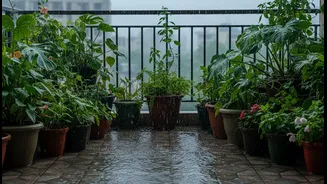
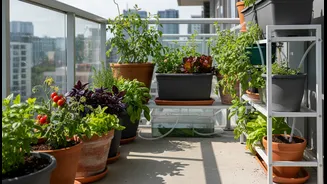
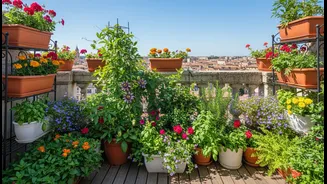
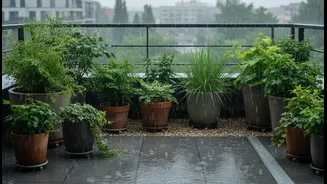
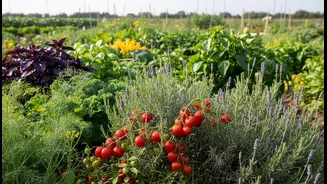
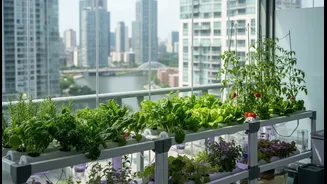
Incorporating these multi-purpose plants into your home is easier than you might think. You don't need a large plot of land; many of these varieties thrive in containers on a balcony or windowsill. Start small by choosing one or two plants that appeal to you. Herbs like mint, holy basil (tulsi), and coriander are great for beginners. If you have more space, consider planting a moringa tree, which grows quickly and provides abundant harvests. You can also intersperse edible flowers like marigolds and nasturtiums among your ornamental plants to add colour and utility. The key is to select plants suited to your local climate and available sunlight. With a little care, you can create a garden that is not only productive but a true feast for all the senses.