

A nostalgic video of Sonia Gandhi shared during Diwali has done more than just offer a glimpse into her family's celebrations; it has sparked a warm, nationwide conversation about the rich culinary traditions of Kashmir.
A Conversation Over Diyas
In a video shared on social media,
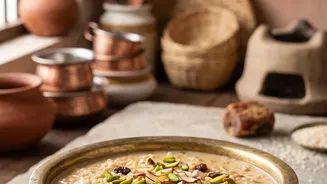
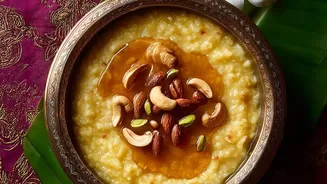
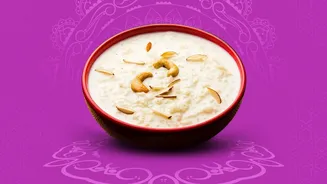
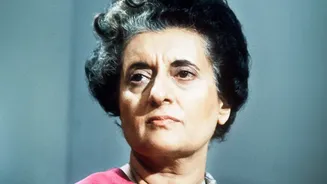
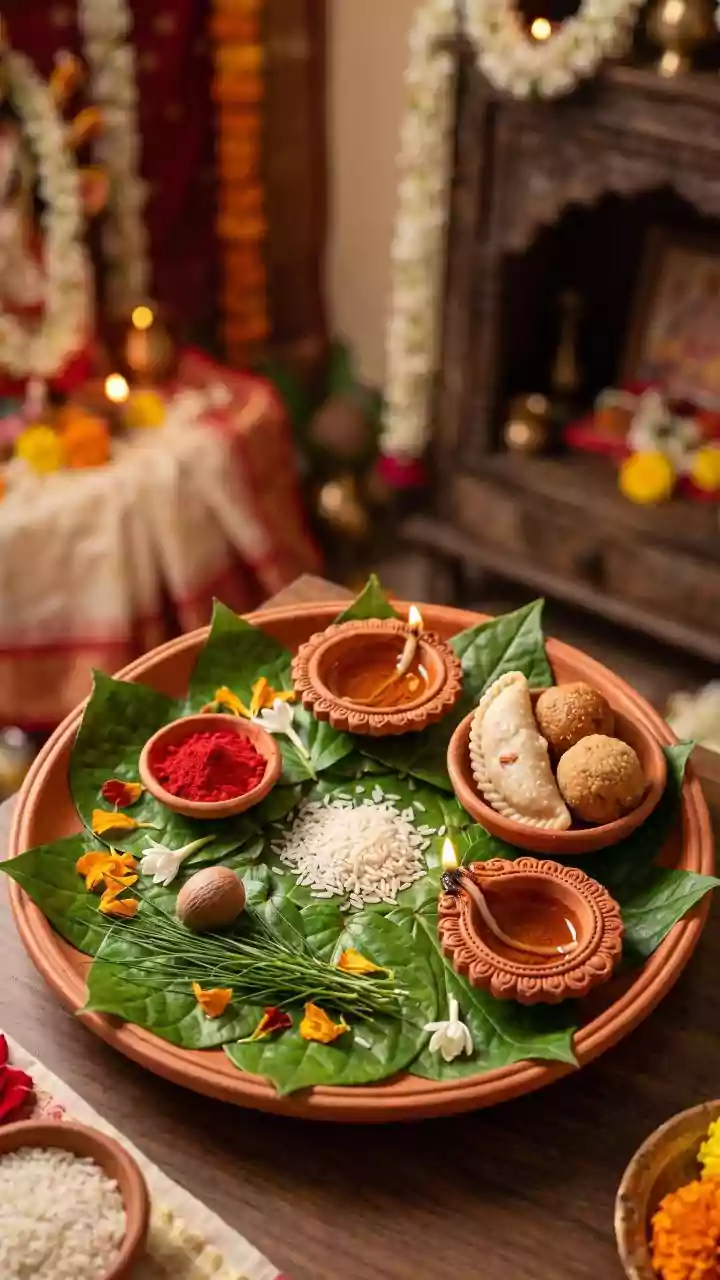
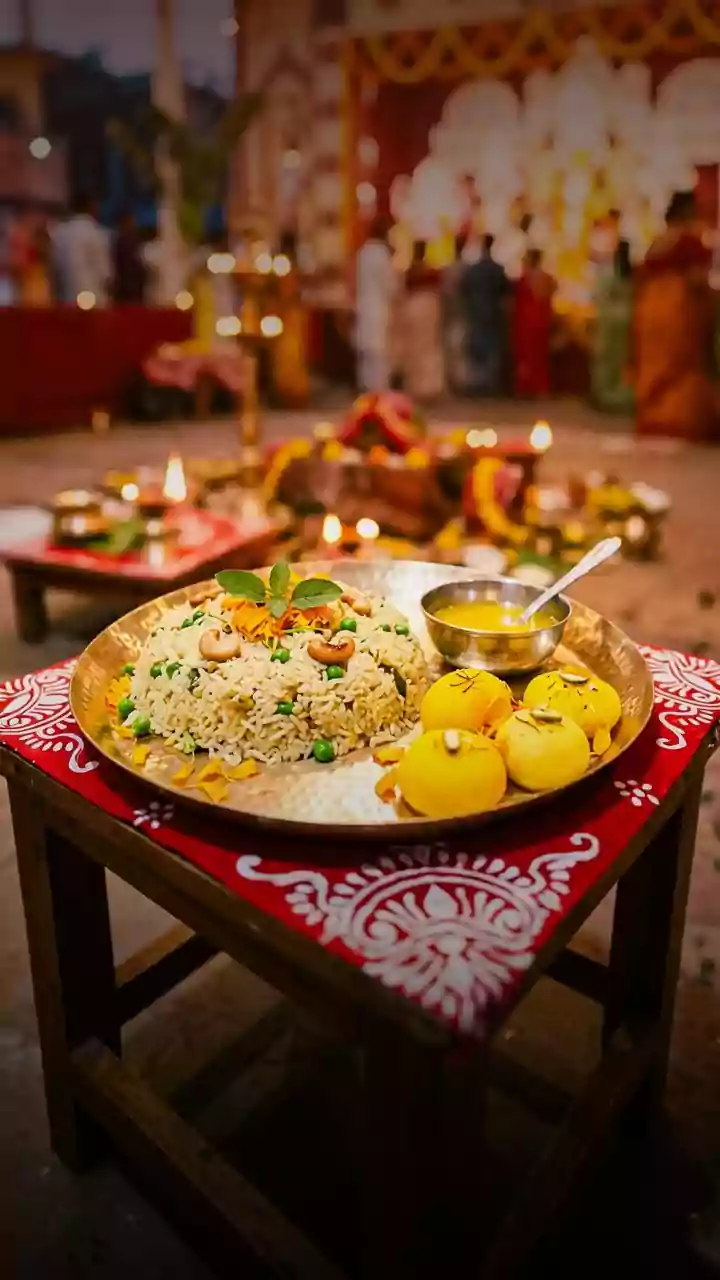
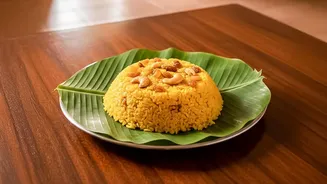
Sonia Gandhi, joined by her daughter Priyanka Gandhi Vadra, took a walk down memory lane at the former residence of Indira Gandhi. While reminiscing about lighting diyas and buying firecrackers from Old Delhi, Sonia Gandhi shared a detail that resonated with many. She recalled that festivals in the family were always marked by traditional Kashmiri food, including a special sweet rice, a practice she noted, 'which we still make, by the way'. This simple, heartfelt mention of food instantly connected a public family's private tradition to a wider cultural identity, prompting a wave of interest and nostalgia online.
The Nehru Family's Kashmiri Roots
The family's connection to this specific cuisine is deeply rooted in their history. The Nehru family are descendants of Kashmiri Pandits, the indigenous Hindu community of the Kashmir Valley. Their earliest recorded ancestor, Raj Kaul, is believed to have migrated from Kashmir to Delhi in the early 18th century. The family name 'Nehru' itself is said to have originated from their residence's proximity to a canal, or 'nahar'. This heritage, carried through generations from Motilal Nehru to Jawaharlal Nehru and his descendants, has kept the family connected to the distinct cultural and culinary traditions of Kashmir, which are passed down as a treasured inheritance.
A Taste of the Pandit Kitchen
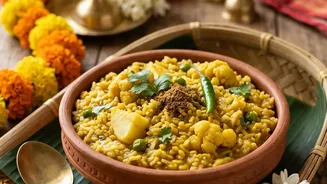
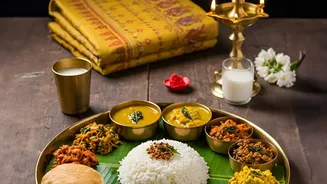
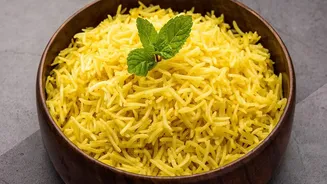
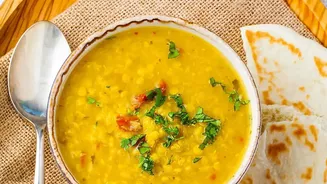
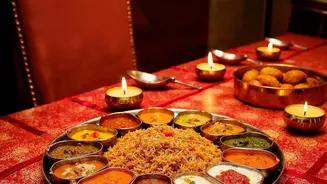
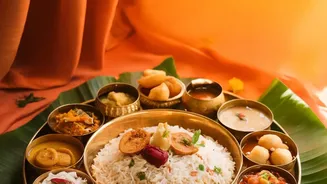
Kashmiri Pandit cuisine is a unique culinary tradition, distinct from the more widely known Muslim Wazwan feast. A key characteristic is the absence of onion and garlic, with flavours built instead on asafoetida (hing), fennel powder, and dry ginger powder. The 'sweet rice' Sonia Gandhi mentioned is likely Modur Pulav, a festive dish made with ghee, saffron, and a generous amount of dried fruits and nuts. Other staples of the Pandit kitchen include Dum Olav (often called Kashmiri Dum Aloo), where baby potatoes are slow-cooked in a tangy yoghurt gravy. Then there is Nadru Yakhni, a delicate curry of lotus stem in a yoghurt base, and the simple, soulful Haak, a dish of collard greens that is a daily staple in Kashmir.
More Than Just a Meal
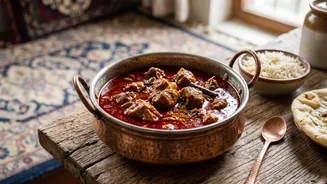
For Kashmiri Pandits, food is inextricably linked to festivals, rituals, and family gatherings. These dishes are not merely recipes; they are carriers of memory and identity. The preparation of something like Dum Olav or a festive meat dish like Rogan Josh (the Pandit version also forgoes onion and garlic) is often a meticulous process, a labour of love that brings families together. The specific aroma of mustard oil blooming with hing and whole spices is one that evokes a powerful sense of home and belonging. By keeping these food traditions alive, families like the Gandhis maintain a tangible link to their ancestral past, celebrating their heritage one plate at a time.
Nostalgia in the Digital Age
The warm public reaction to a short video clip highlights the profound power of food to connect us. In a fast paced world, a mention of 'sweet rice' can transport thousands back to their own family kitchens and festive memories. It serves as a reminder that behind public personas lie personal histories, often preserved in the simple, everyday acts of cooking and eating together. The video has not only brought back memories of a specific cuisine but has also opened a window for many to discover the subtle, aromatic, and deeply historical world of Kashmiri Pandit cooking, a culinary tradition that tells a story of resilience, identity, and the enduring comfort of a taste of home.