

A Festival of Flavours, A Shift in Habits
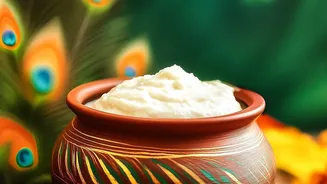
Janmashtami, celebrating the birth of Lord Krishna, is a festival steeped in culinary traditions. Central to the ‘bhog’ or offerings are milk and butter-based sweets, honouring Krishna’s legendary love for ‘makhan’ (butter). Delicacies like Makhan Misri,
Panjiri, and various pedas are not just treats; they are an integral part of the worship and celebration. For generations, these recipes have been passed down, rich in ghee, sugar, and milk. However, a significant cultural shift is underway. As health and wellness become a priority for more Indians, there's a growing demand for festive foods that align with modern dietary habits. Consumers are increasingly conscious of their sugar intake, leading to a quiet revolution in the traditional mithai kitchen. Sweet makers and home cooks are now reimagining these age-old recipes for a new generation of devotees who want to celebrate with joy, but without the guilt.
The New Sweeteners on the Block
The magic behind this healthy makeover lies in swapping refined white sugar with a variety of natural and plant-based alternatives. Jaggery, or ‘gud’, is leading the charge. Valued for its mineral content, including iron, and a lower glycemic index compared to sugar, it lends a rustic, earthy sweetness to mithai. Date paste is another popular choice, offering natural, fibre-rich sweetness with a caramel-like flavour that enhances many desserts. For those seeking zero-calorie options, plant-based sweeteners like stevia and monk fruit have become game-changers. These alternatives allow for the creation of sweets that are suitable for people with diabetes or those strictly monitoring their calorie consumption. The focus is on retaining the soul of the sweet while making it kinder to the body, ensuring the festive spirit remains energising and light.
Classic Sweets, Modern Twist
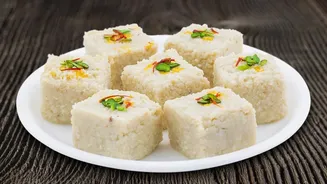
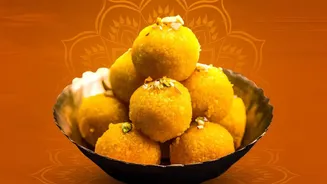
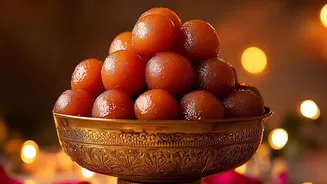
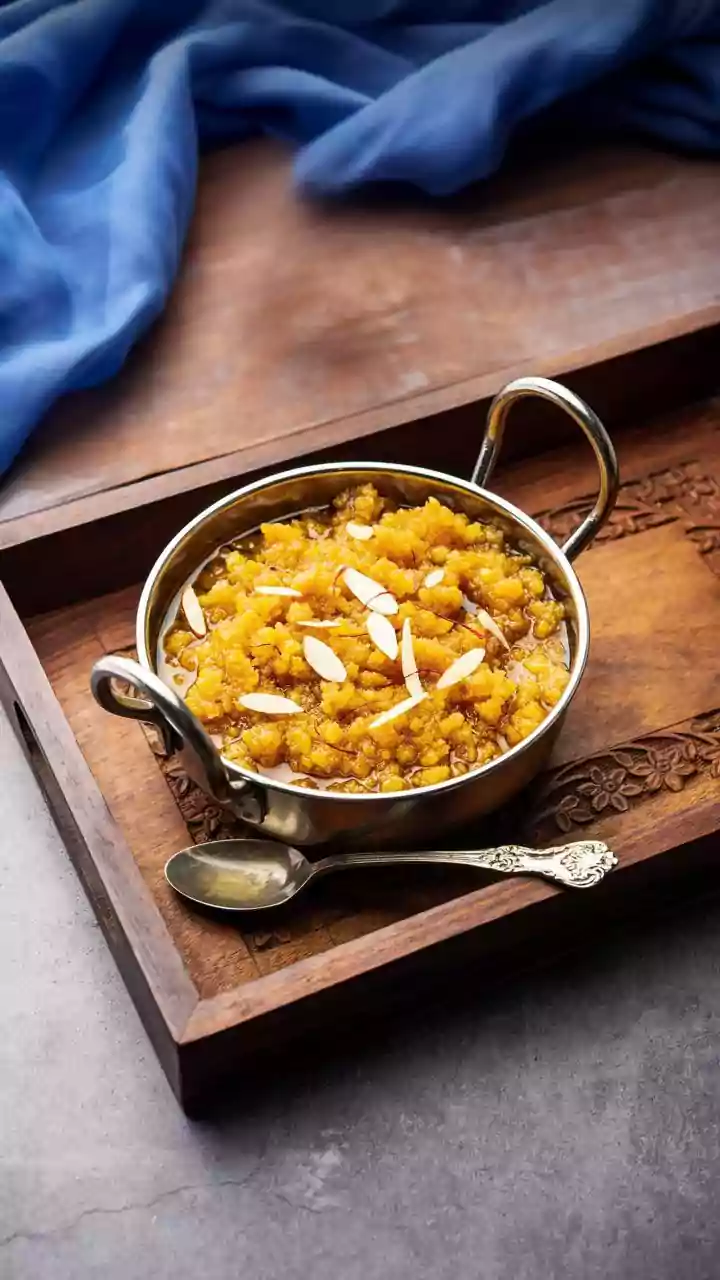
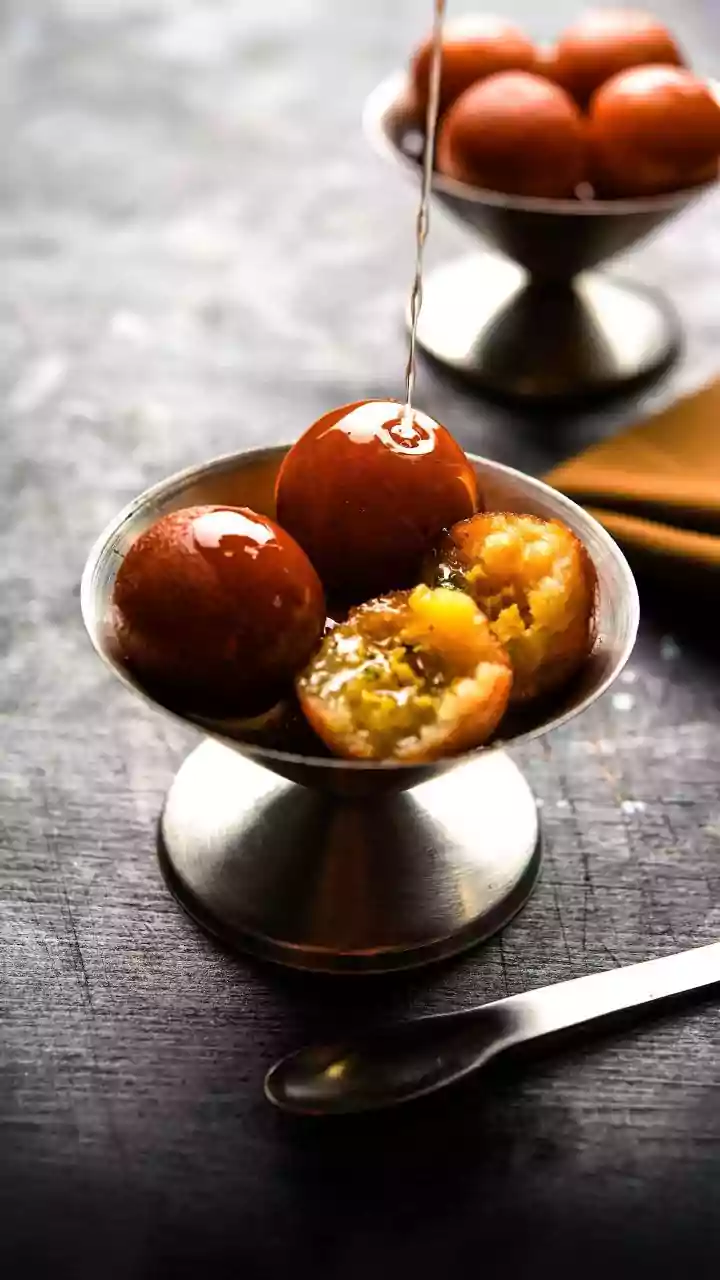
So, what do these healthier sweets look like? The adaptations are both creative and delicious. The quintessential Dhaniya Panjiri, a prasad made with coriander powder and nuts, is now often prepared with powdered jaggery and a reduced amount of ghee. Laddoos are getting a major overhaul, with recipes featuring nutrient-dense flours like ragi (finger millet) and oats, bound together with dates or jaggery instead of sugar syrup. Makhana Kheer, a creamy pudding made from puffed lotus seeds, can be made just as decadent with low-fat milk and a touch of stevia or a small amount of jaggery for sweetness. Even the beloved Peda, traditionally made from khoya and sugar, is being reinvented. Health-conscious versions use naturally sweet ingredients and are sometimes garnished with nuts and seeds for added texture and nutrition, proving that tradition can evolve without losing its essence.
A Word on 'Healthy' Indulgence
While these low-sugar alternatives are certainly a step in a healthier direction, it's important to enjoy them mindfully. The term 'sugar-free' does not mean 'calorie-free'. These sweets still contain fats from ghee and nuts, and carbohydrates from flours and the sweeteners themselves. The primary benefit is the avoidance of refined sugar and the associated blood sugar spikes. However, moderation remains the key to a truly healthy festive season. An expert view suggests that whether you choose a traditional mithai or its sugar-free counterpart, portion control is crucial. Think of these treats as a way to participate in the festive joy more thoughtfully, not as a license to overindulge. The goal is to honour tradition and nourish the body simultaneously.