





A New Era of Point-to-Point Travel
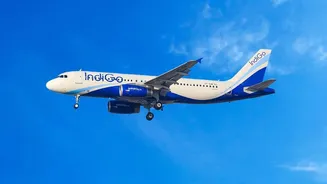
Indian aviation is undergoing a seismic shift. Airlines like Air India and IndiGo are aggressively expanding their international networks, with a clear focus on adding long-haul, non-stop flights to destinations in Europe, Asia, and North America. This
strategic pivot means that for a growing number of routes, the once-obligatory layover in Dubai, Doha, or other hubs is becoming a thing of the past. The expansion is driven by a post-pandemic travel boom and a surge in demand from an increasingly mobile Indian population. According to the Ministry of Tourism, outbound departures from India saw a significant increase in 2025, signalling a robust market for these new direct connections.
What’s Driving the Direct Flight Boom?
Several factors are fuelling this expansion. At the forefront is the massive fleet modernisation and expansion by Indian carriers. Air India, under Tata Group ownership, is in the midst of a multi-billion-dollar transformation that includes inducting new wide-body aircraft like the Boeing 787-9 and Airbus A350, which are capable of long-haul journeys. The airline expects to receive 26 new planes in 2026 alone and is retrofitting its existing long-haul fleet with upgraded cabins. Similarly, IndiGo, traditionally a domestic and short-haul giant, is making a determined push into the long-haul market, leasing Boeing 787s for new routes to Europe. This fleet renewal is enabling airlines to launch ambitious new routes that were previously not viable.
Key New Routes Taking Flight
The new schedules for 2026 feature an exciting list of direct connections. IndiGo has announced direct flights from Mumbai to European destinations like Manchester and Amsterdam. Air India has bolstered its North American presence with increased frequencies to Toronto and is introducing new aircraft on routes to Tokyo and Melbourne. New connections have also been established to Zurich from Bengaluru, and Athens from both Delhi and Mumbai. In Asia, services have been launched or restored to key cities like Shanghai, Colombo, and Tokyo from various Indian metros including Kolkata, Delhi, and Mumbai. This expansion isn't limited to major hubs; cities like Guwahati are getting their first-ever direct links to the Gulf, with new services to Dubai and Abu Dhabi.
The Challenge to Gulf Hubs
For decades, a significant portion of India's international traffic has been routed through Middle Eastern airports. In 2025, India was the single largest source of passengers for Dubai's airport, with nearly 12 million travellers. The rise of direct flights from Indian carriers poses a direct challenge to the dominance of these hubs. By offering non-stop services, Indian airlines can provide a faster, more convenient, and often more seamless travel experience. This 'hub-busting' strategy aims to capture a larger share of the lucrative international market, particularly for passengers travelling to Europe and North America who previously had no choice but to transit through the Gulf.
What This Means for the Indian Traveller
The most immediate benefit for passengers is time. Skipping a three-to-six-hour layover significantly shortens journey times, reducing travel fatigue. Beyond convenience, the increased competition on these routes is expected to exert downward pressure on fares. More direct flights also simplify the travel process, eliminating the stress of navigating a connecting airport and the risk of missed connections. Furthermore, airlines are using this opportunity to upgrade the passenger experience, with Air India rolling out new cabin interiors, including Premium Economy on more routes, and IndiGo offering complimentary meals on its new long-haul services. This combination of convenience, competition, and improved service marks a significant win for the Indian international flyer.