


The Science of a Guilt-Free Crunch
An air fryer isn’t magic; it’s a powerful, compact convection oven. Instead of submerging food in hot oil, it uses a heating element and a strong fan to circulate super-heated air at high speed. This rapid air technology does two things brilliantly. First,
it quickly evaporates moisture from the surface of the food. A dry surface is essential for a crispy finish. Second, the intense, circulating heat triggers the Maillard reaction—a chemical process between amino acids and sugars that creates the delicious brown colour and complex, savoury flavours we associate with fried food. The result is a texture remarkably similar to deep-frying, but achieved with up to 80% less oil. This significantly reduces the overall calorie and fat content of your favourite snacks.
Regional Favourites That Love the Air Fryer
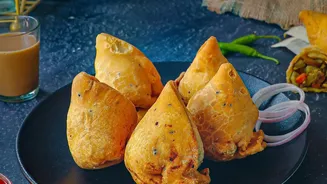
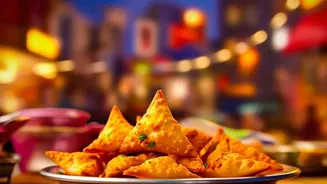
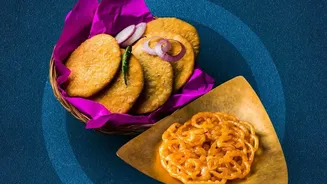
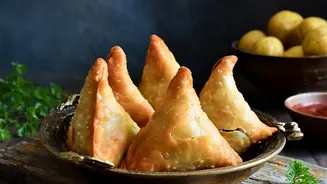
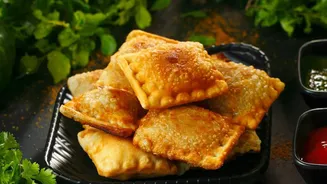
Many beloved Indian snacks adapt wonderfully to the air fryer. Samosas, whether homemade or frozen, cook to a golden, flaky perfection. Structural snacks that can hold their shape are ideal candidates. Think of aloo tikkis, which become crisp and golden after being lightly brushed with oil and cooked for about 12 minutes at 200°C. Lentil-based fritters like dal vada and moong dal pakodas also crisp up beautifully. The key is to work with batters that aren't too wet or drippy. Other great options include paneer tikka, hara bhara kababs, and even sturdy vegetables like bhindi (okra) coated in spiced gram flour. These snacks develop a satisfying crunch without ever touching a kadai full of oil.
Mastering the Art of Air Frying Snacks
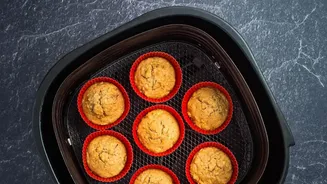
Converting a deep-frying recipe to an air-frying one is simple with a few guidelines. A general rule is to reduce the cooking temperature by about 15-20°C from what a traditional oven recipe suggests and slightly reduce the cooking time. For best results, don't overcrowd the basket; food needs space for the hot air to circulate and create an even crust. Cooking in batches might be necessary, but the faster cooking times often make up for it. While you're using far less oil, a little is still necessary for browning and flavour. A light brush or a quick spritz from an oil spray is usually sufficient. Finally, for even cooking, remember to shake the basket or flip the snacks halfway through the cooking process. This ensures all sides get exposed to the direct heat and become equally crispy.
Knowing When Traditional Frying Is Better
While the air fryer is versatile, it isn't a perfect replacement for every single fried treat. It struggles with foods that have very wet, loose batters, such as traditional onion bhajis or certain pakoras where the batter is thin and meant to spread in the oil. Without the instant-set effect of hot oil, these batters can drip through the basket perforations before they have a chance to cook. Similarly, classic fluffy bhaturas or delicate, lacy jalebis, which rely on being submerged in oil to puff up and cook correctly, achieve their signature textures best through deep frying. For these specific dishes, the traditional kadai still reigns supreme. Understanding these limitations helps you use the air fryer for what it does best: making a huge range of other snacks lighter and healthier.