

To truly understand Qatar, you must taste it. The nation's cuisine is a rich tapestry of Bedouin tradition and global trade, where every meal tells a story of hospitality, heritage, and a dynamic future. This is your guide to its delicious soul.
The Heart of Qatari Hospitality
In Qatar,
food is more than just sustenance; it is the ultimate expression of hospitality and a cornerstone of social life. For centuries, the culture has been shaped by the nomadic Bedouin tribes of the desert and the coastal pearl divers, both of whom relied on communal meals and shared provisions. This spirit of generosity endures today. Traditional meals are often large, celebratory affairs designed for sharing, reflecting a history where trade routes brought spices from India and Persia, and culinary techniques from the Levant and East Africa. The result is a vibrant food scene where a simple cup of sweet, milky karak tea can be as significant as a lavish feast, both offering a warm welcome into Qatari culture. Understanding this context transforms a meal from a menu item into a genuine cultural experience.
Iconic Dishes You Must Try
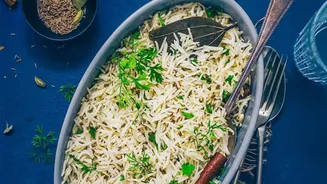
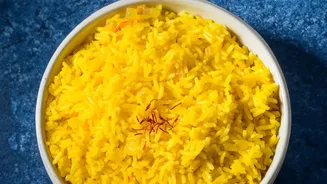
Before you explore the restaurants, it helps to know the classics. Machboos is widely considered Qatar's national dish, a fragrant platter of rice slow-cooked with spices like cardamom and dried lime (loomi), and served with tender lamb or chicken. Other comforting staples include Harees, a savory porridge of ground wheat and meat, and Madrouba, a similar rice-based dish cooked with milk and butter until creamy. For a taste of home-style cooking, look for Saloona, a hearty stew of meat and seasonal vegetables, often mopped up with flatbread. And for breakfast, nothing is more uniquely Qatari than Balaleet: sweet, saffron-infused vermicelli noodles topped with a savory egg omelet. These dishes form the foundation of the country's culinary identity.
Traditional Tastes in Souq Waqif
For an authentic immersion, your first stop must be Souq Waqif, Doha's restored historic market. After sunset, its maze-like alleys transform into a bustling dining district. For a classic Qatari breakfast, head to Shay Al Shoomos, a small cafe run by a local pioneer, Shams Al Qassabi. Her regag (paper-thin bread) with egg and cheese and cups of strong karak are legendary. For a taste of Yemeni cuisine, which has heavily influenced the region, Bandar Aden offers incredible value with dishes like Mandi (meat and rice cooked in a special oven) and Fahsa (a sizzling meat stew). Nearby, Parisa offers a feast for the eyes and palate in a stunning dining room covered in intricate mosaics and mirrors, serving traditional Persian cuisine. Damasca One is another favourite for its Syrian mezze and prime people-watching terrace.
Modern Qatari and Fine Dining
Beyond the traditional souq, a new generation of chefs is reinterpreting Qatari cuisine with modern techniques and artistic presentation. At the National Museum of Qatar, Jiwan, a restaurant by chef Alain Ducasse, offers elevated local flavours with spectacular views. Saasna, located in the Msheireb Downtown Doha district, also serves contemporary Qatari dishes, including a celebrated take on machboos that uses local seafood to honour the country's coastal identity. Another standout, Bayt Sharq, is set in a restored 100-year-old home and serves classic recipes in a tranquil garden setting. These restaurants are part of a growing movement, championed by programs like 'Taste of Qatar' by Qatar Tourism, to establish the nation as a global gastronomic hub.
Beyond the Main Course
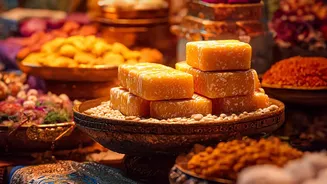
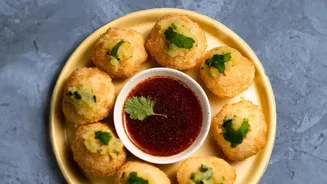
A culinary tour of Qatar isn't complete without indulging in its street food and sweets. In Souq Waqif and beyond, you can find vendors selling everything from shawarma to crispy samboosa pastries and fresh fruit juices. Don't miss Luqaimat, sweet fried dumplings that are crunchy on the outside, soft on the inside, and drizzled with date syrup. Many locals end their meals with Arabic coffee, infused with cardamom and served in small cups, or a cup of Kunafa, a decadent dessert made with cheese pastry soaked in sweet syrup. For a truly local experience, stop at any small corner shop for a steaming cup of karak, the spiced milk tea that is a beloved daily ritual across the country.