




The Landfill Problem: A Methane Story
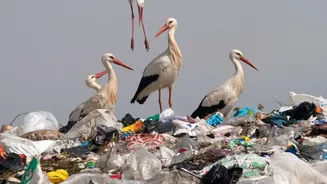
When you throw organic waste like food scraps into your regular rubbish bin, it gets hauled away to a municipal landfill. In the United States, food is the single largest component of landfill waste, making up over 24% of the material. Once there, it gets buried
under tonnes of other trash. This creates an environment without oxygen, known as anaerobic conditions. In this oxygen-starved setting, specific types of bacteria get to work, breaking down the food. But instead of harmlessly decomposing, this process generates landfill gas, which is roughly 50% methane. This isn't a small issue; municipal solid waste landfills are the third-largest source of human-related methane emissions in the U.S.
Why Methane Matters So Much
Methane is a super-potent greenhouse gas. Over a 20-year period, it has more than 80 times the warming power of carbon dioxide. While it has a shorter lifespan in the atmosphere, its immediate impact is immense, and it's responsible for about 30% of the global warming we are currently experiencing. Because food waste decomposes relatively quickly, it's a major contributor to these emissions, accounting for an estimated 58% of the methane released from landfills. While some modern landfills have systems to capture this gas, they are not perfectly efficient and many sites lack them entirely, allowing the potent gas to escape directly into the atmosphere.
The Compost Solution: An Oxygen-Rich Process
Composting flips the script entirely by changing the environment where decomposition happens. A home compost pile or bin is designed to be an aerobic environment, meaning it's full of oxygen. You help this along by adding a mix of 'green' materials (like food scraps) and 'brown' materials (like dried leaves or cardboard) and turning the pile occasionally. This process encourages different, oxygen-loving microorganisms to thrive. Instead of producing methane, these microbes break down organic matter and primarily release carbon dioxide—the same gas you exhale—which is significantly less potent as a greenhouse gas. Studies have shown that composting can reduce greenhouse gas emissions by 38% to 84% compared to sending scraps to a landfill.
Benefit One: Creating 'Black Gold'
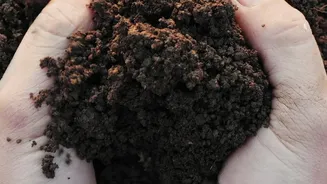
The first major win of composting is what you’re left with: a dark, crumbly, nutrient-rich material often called 'black gold' by gardeners. This finished compost is a powerhouse soil amendment. It's packed with essential nutrients like nitrogen, phosphorus, and potassium that feed plants. Unlike synthetic fertilizers that give a quick jolt, compost releases nutrients slowly, creating long-term soil fertility. It also introduces a host of beneficial microorganisms that can help suppress plant diseases and pests. By adding this organic matter back into the earth, you are completing a natural cycle, turning what was once 'waste' into a valuable resource for growing healthy plants.
Benefit Two: Building Healthier, Resilient Soil
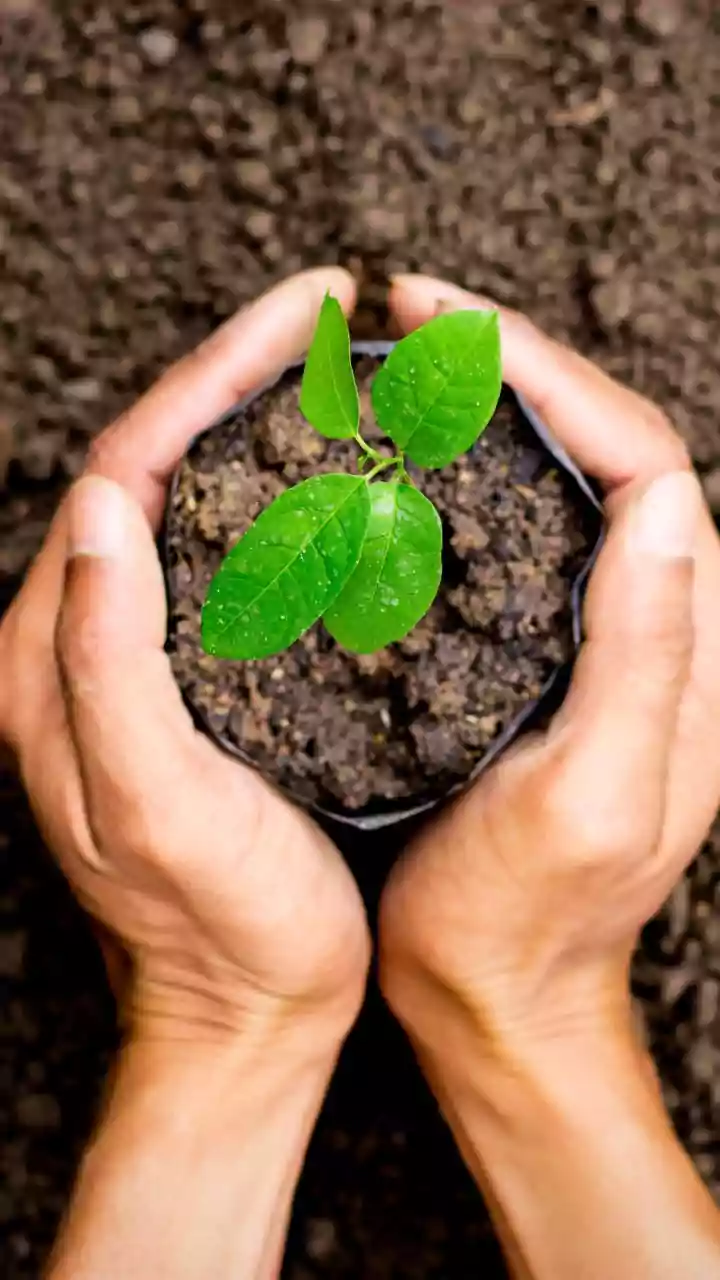
Beyond just providing nutrients, compost dramatically improves the physical structure of your soil. If you have heavy, clay-like soil, compost helps loosen it, improving drainage and allowing plant roots to grow more freely. If you have sandy soil that drains too quickly, compost helps it retain moisture and nutrients. This ability to hold water is crucial; it makes your garden more resilient to drought, reduces the need for frequent watering, and helps prevent soil erosion. By making the soil healthier and more robust, you create a stronger foundation for your entire garden, from flower beds to vegetable patches.