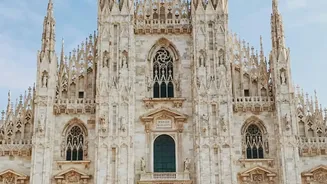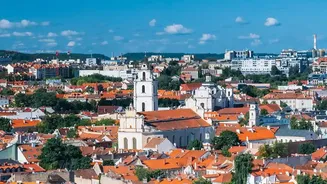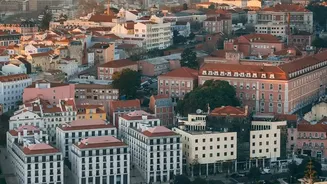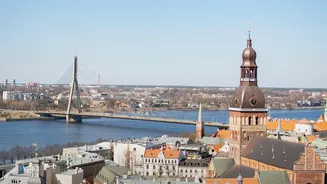


Bologna, Italy: The Learned City by Bus
Bologna’s historic centre is famously walkable, a medieval grid of red-tiled roofs and endless porticoes that provide shelter from sun and rain. However, to truly explore 'La Dotta' (The Learned), you'll want to get familiar with its main form of public
transport: the bus. The network is operated by TPER and is extensive, connecting the city centre to outer neighbourhoods and key sites. While you can buy a ticket on board, it's cheaper to purchase one beforehand at a newsstand ('tabacchi') or through the Roger app. For tourists, the most useful lines are often the smaller electric buses that navigate the narrow central streets. A single ticket is valid for 75 minutes, allowing for transfers. If you plan on making several trips, a 24-hour pass is often more economical. Contactless payment is also an option on board, where the system automatically calculates the best fare if you tap multiple times in one day. For arriving travellers, the Marconi Express monorail offers a swift 7-minute connection from the airport to the central train station.
Ghent, Belgium: Trams and Waterways
Often described as Bruges' cooler, less-crowded sibling, Ghent is a city of canals, castles, and a vibrant street life. While its medieval core is compact and largely pedestrian-friendly, its excellent tram and bus system, run by De Lijn, is perfect for reaching the main train station, Gent-Sint-Pieters, and exploring areas just beyond the centre. Four main tram lines crisscross the city, hitting all the major sights. You can simply tap a contactless card or mobile wallet on the white readers when you board; a single fare allows for unlimited transfers within a 60-minute window. For longer stays or more intensive exploring, a multi-day pass or a 10-ride 'Lijn card' offers better value. The CityCard Gent is another great option for tourists, as it includes free use of all public transport. Remember to always validate your ticket or tap your card upon boarding to avoid fines.
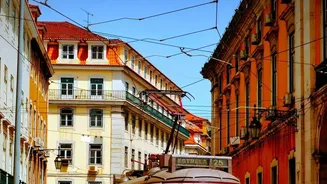
Porto, Portugal: Metro, Trams, and a Funicular
Porto's charm lies in its hilly terrain, riverside cellars, and colourful tiled buildings. While walking is a must, the city's diverse public transport will save your legs. The system includes a modern metro, an extensive bus network, three historic tram lines, and the steep Funicular dos Guindais. The metro is especially useful, with Line E providing a direct and affordable link from the airport to the city centre. The entire system is integrated through the rechargeable Andante card. For visitors, the Andante Tour card is the most straightforward option, offering unlimited travel for 24 or 72 hours across the metro, buses, and some trains. While the historic trams are more of a tourist attraction, Line 1, which runs along the Douro river to the Foz district, is a scenic journey worth taking. For the short but steep climb from the Ribeira riverside district to the upper level of the Dom Luís I Bridge, the funicular provides both a lift and a stunning view.
Universal Tips for European Transport
No matter which city you're visiting, a few rules of thumb will make your journey smoother. First, always validate your ticket. In many systems, simply possessing a ticket isn't enough; you must stamp it in a machine on the platform or upon boarding the vehicle. Failure to do so can result in hefty fines. Second, let people get off before you get on. It's a simple courtesy that keeps the flow of traffic moving. Third, consider downloading a transport app like Citymapper or Google Maps, which offer real-time schedules, route planning, and disruption alerts. Many cities also have their own official transport apps which can be even more accurate. Finally, day passes or multi-day tourist cards are almost always cheaper if you plan on making more than two or three journeys in a day. A little planning can save you both money and stress.