
Start with a Blank Slate
The first rule of any refresh is to see what you're working with. Take everything off your shelves. Yes, everything. Dust the surfaces and give yourself a completely clean canvas. This step is crucial because it helps you break free from old arrangements
and assess each item individually. Before putting anything back, gather all your potential decor items from around your home—books, vases, picture frames, and small trinkets. Having all your options in one place makes the creative process much easier.
Embrace the Rule of Threes
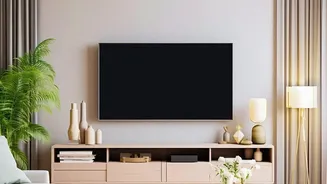
One of the most trusted principles in interior design is the 'rule of three'. The idea is that items arranged in odd numbers are more appealing and balanced to the human eye. When styling your shelves, try grouping objects in threes or fives. This could be a tall vase, a medium-sized photo frame, and a small decorative bowl. Visualise a triangle when grouping items to help vary height and create a more dynamic look. This simple trick prevents arrangements from looking too rigid or staged.
Vary Height and Scale
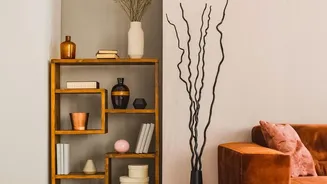
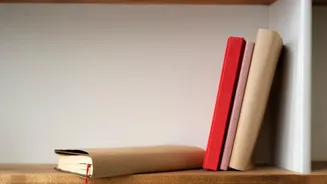
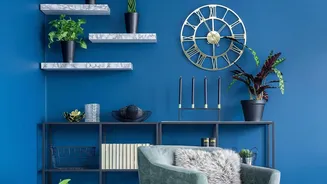
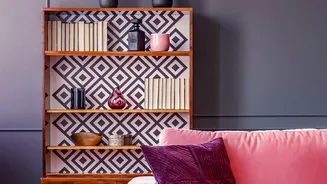
A shelf where everything is the same height can look flat and uninteresting. Create visual rhythm by mixing objects of different sizes and shapes. Use a combination of tall, short, wide, and narrow pieces to guide the eye across the display. Books are your secret weapon here. Don't just line them up vertically. Stack a few horizontally to create a small pedestal for a treasured object or a candle. This not only adds height but also breaks up the monotony of endless book spines.
Create Depth by Layering
To avoid a flat, one-dimensional look, think in layers. Place larger, taller items at the back of the shelf and smaller ones in front. Leaning a framed piece of art or a mirror against the back wall is a fantastic way to create an instant backdrop. Then, you can place a plant or a small sculpture in front of it. This technique adds dimension and makes the arrangement feel more curated and thoughtfully composed. Don't be afraid to overlap items slightly to build a connected, cohesive scene.
Let Books Be the Anchor
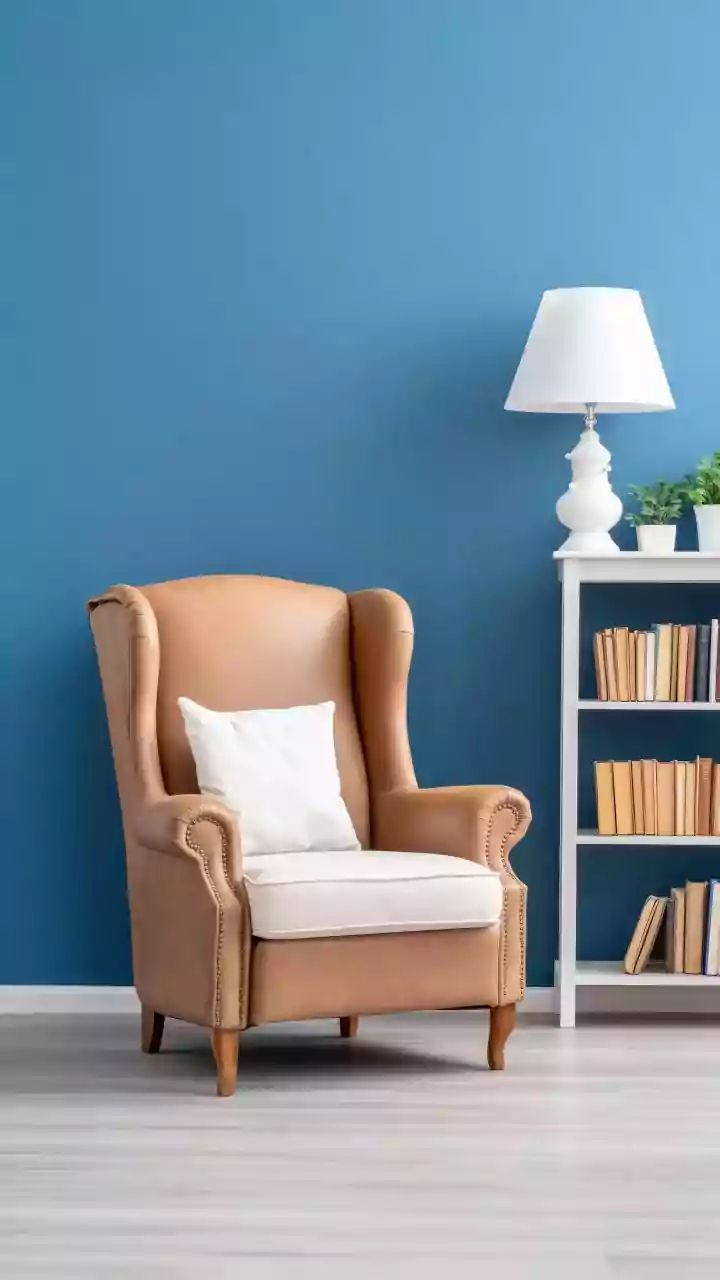
While shelves are for more than just books, they are still the natural star of the show. A good guideline is the 70/30 rule: let about 70% of the space be dedicated to books and 30% to decorative objects and empty space. This ensures the shelves retain their primary function while looking styled. Mix vertical rows of books with horizontal stacks to add interest. For a budget-friendly decor hack, visit a thrift store for hardcover books with beautiful spines, or simply remove the dust jackets from books you already own to reveal surprisingly elegant covers underneath.
Add Personal and Natural Touches
Your shelves should tell your story. This is the perfect place to showcase items that are meaningful to you, such as family photos, heirlooms, or souvenirs from your travels. These personal touches make a space feel warm and uniquely yours. To bring life and warmth to the arrangement, incorporate natural elements. A small plant, a vase of fresh flowers, or even a piece of driftwood can add a splash of colour and an organic texture that softens the hard lines of shelves and books.
Know When to Stop
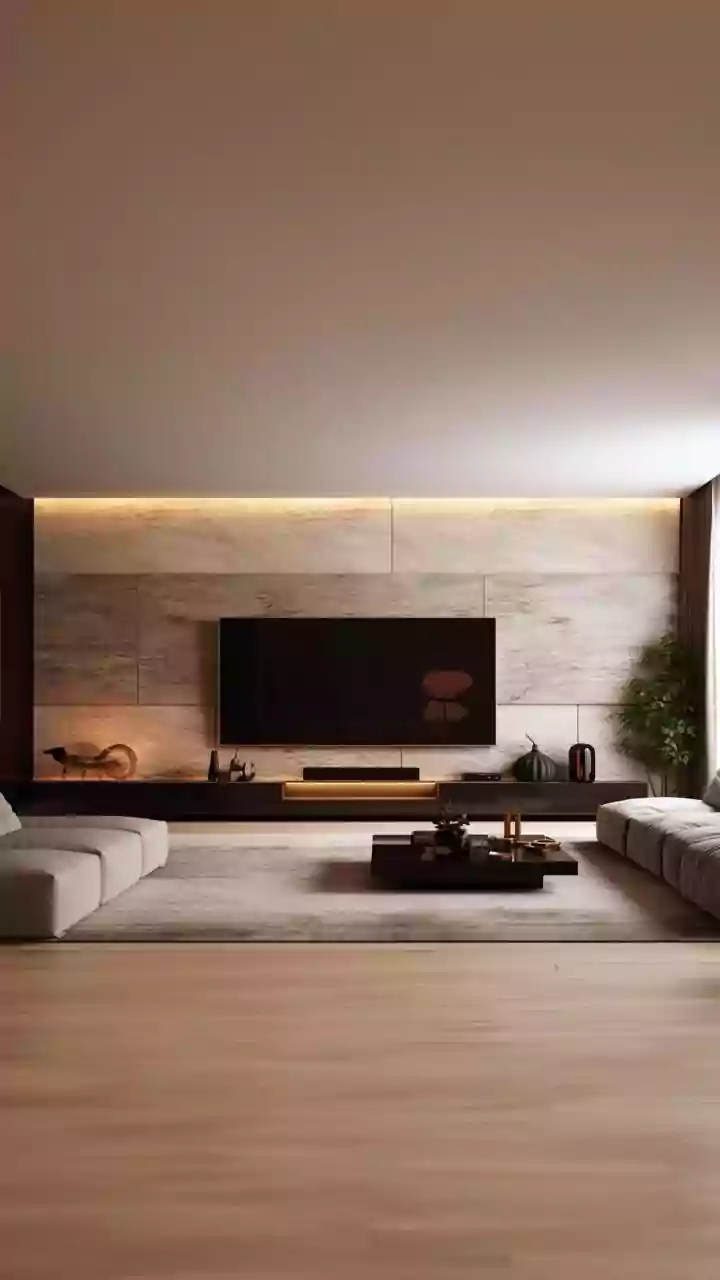
The most common shelf styling mistake is overcrowding. Negative space—the empty areas between objects—is just as important as the items themselves. This 'breathing room' allows the eye to rest and appreciate each piece individually. A styled shelf shouldn't look like a storage unit. After you've arranged your items, take a step back and edit. If a shelf feels too busy, try removing one or two things. Often, less is truly more.