




Swimming: The Ultimate Joint-Saver
Swimming is often hailed as the perfect exercise, and for good reason. The buoyancy of water supports your body weight, which means there is virtually no stress on your joints. This makes it an ideal choice for individuals with arthritis, joint pain,
or those recovering from injury. But make no mistake, it’s a powerful cardiovascular workout. Swimming engages nearly every muscle group, strengthening your heart and improving circulation as it pumps oxygen-rich blood throughout your body. Studies have shown that regular swimmers have lower risks of death from heart disease and stroke. It's a full-body workout that improves heart health, strengthens muscles, and enhances lung capacity, all while being gentle on your body.
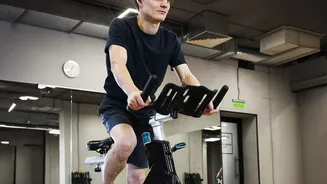
Cycling: A Powerful Ride for Your Heart
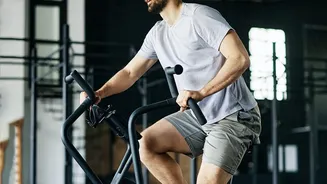
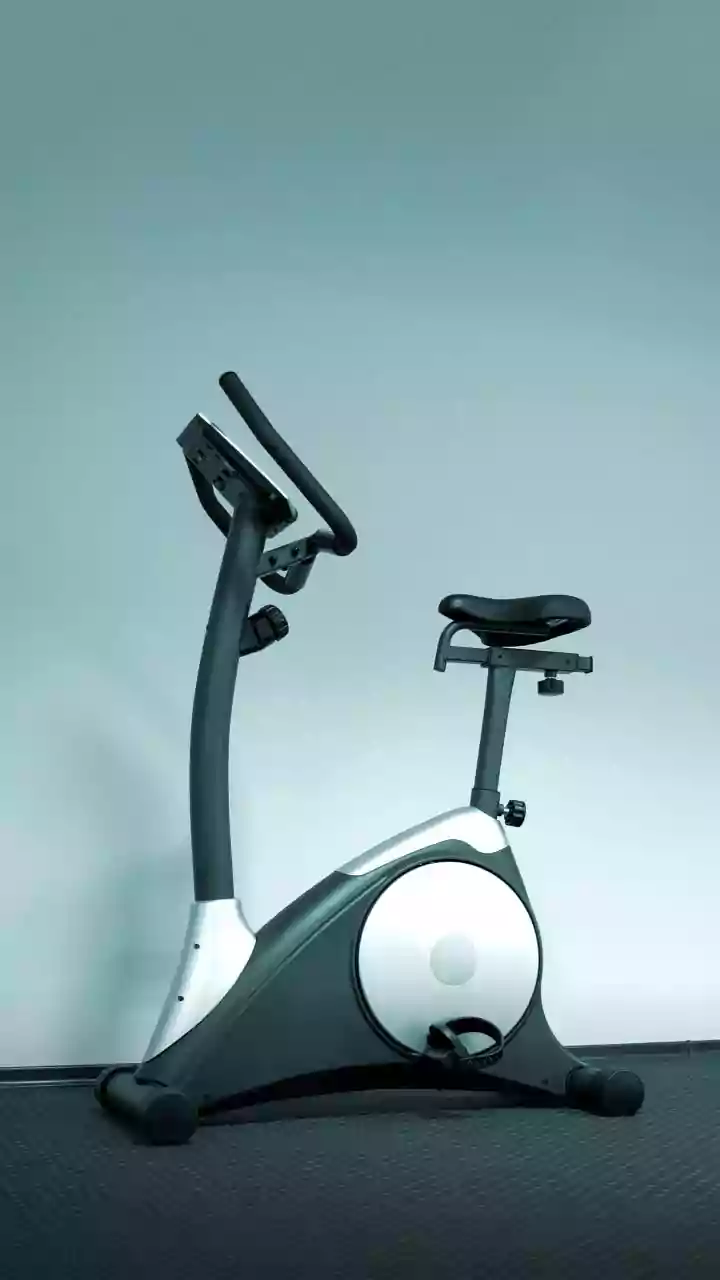
Whether you prefer a stationary bike at the gym or a ride through your neighbourhood, cycling is a superb low-impact cardio option. Because your feet move in a smooth, circular motion, it avoids the jarring impact that can stress knees and hips. Regular cycling is strongly associated with a lower risk of cardiovascular disease, with some research suggesting it can reduce the risk by up to 50%. It helps lower blood pressure, reduce bad cholesterol levels, and strengthen your heart muscle. You can easily control the intensity by adjusting resistance on a stationary bike or tackling different terrains outdoors, making it suitable for all fitness levels.
Elliptical Training: Running's Gentler Cousin
The elliptical machine was specifically designed to provide a low-impact workout that mimics running without the associated joint stress. Your feet remain in contact with the pedals, creating a smooth, gliding motion that's much kinder to your ankles, knees, and hips. Despite being low-impact, the elliptical can provide a cardiovascular workout comparable to running, especially when you match your perceived effort. Many machines have handles that allow you to engage your upper body, turning your session into a full-body workout. It's an excellent choice for improving stamina and heart health safely and sustainably.
Brisk Walking: Simple, Accessible, and Effective
Never underestimate the power of a good walk. Brisk walking is a fantastic low-impact exercise that can significantly improve cardiovascular fitness. The key is 'brisk'—you should be walking at a pace where your heart rate increases and you're slightly out of breath. It's an accessible activity that requires no special equipment beyond a good pair of shoes. Regular brisk walking helps manage weight, lower blood pressure, and reduce the risk of heart disease and stroke. For a greater challenge, incorporate hills or increase your pace to keep your heart working.
Rowing: A Full-Body Powerhouse
A rowing machine offers a unique combination of cardiovascular conditioning and full-body strength training. The fluid, seated motion places minimal stress on the joints, making it a great low-impact option. Each stroke engages your legs, core, and upper body, providing a comprehensive workout that burns a significant number of calories. This simultaneous engagement of multiple muscle groups boosts your heart rate effectively, improving both endurance and overall heart and lung health. It's an efficient way to build power and stamina without the pounding of other exercises.
Water Aerobics: Fun, Social, and Supportive
If you enjoy a group setting, water aerobics is a fantastic choice. These classes combine strength, flexibility, and cardio exercises in a pool, where the water's buoyancy reduces joint stress. The water provides natural resistance, which helps strengthen muscles without the need for weights, while also getting your heart rate up. Water aerobics is especially beneficial for older adults or those with chronic conditions like arthritis, as it can reduce pain and improve mobility while posing a low risk of falls. It’s a fun, social way to boost your heart health and stay active.