


The New Monsoon Reality
The romance of monsoon gardening—the smell of wet earth, the explosion of green—is a cherished Indian experience. But lately, that experience has become more complicated. Intense, erratic downpours, followed by long, humid spells, have created a perfect
storm for problems. Gardeners now face a trifecta of threats: severe waterlogging that suffocates roots, a population boom for pests like aphids and mealybugs, and an aggressive surge in fungal diseases like powdery mildew and root rot. This combination of factors is pushing many to adopt a more defensive and strategic approach to their beloved hobby. It's an era where simply letting the rains do their work is no longer enough; survival and success depend on proactive, cautious management.
Defence Starts From the Ground Up
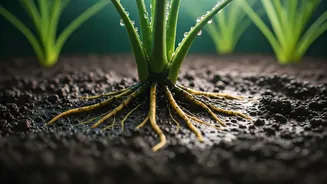
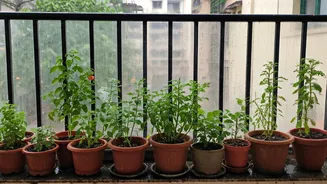
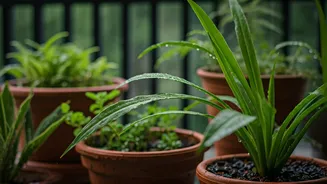
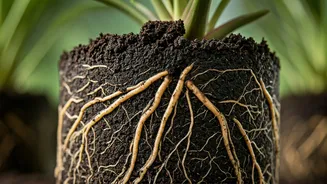
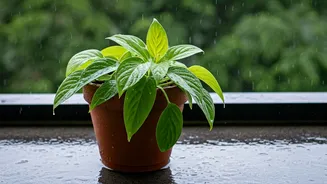
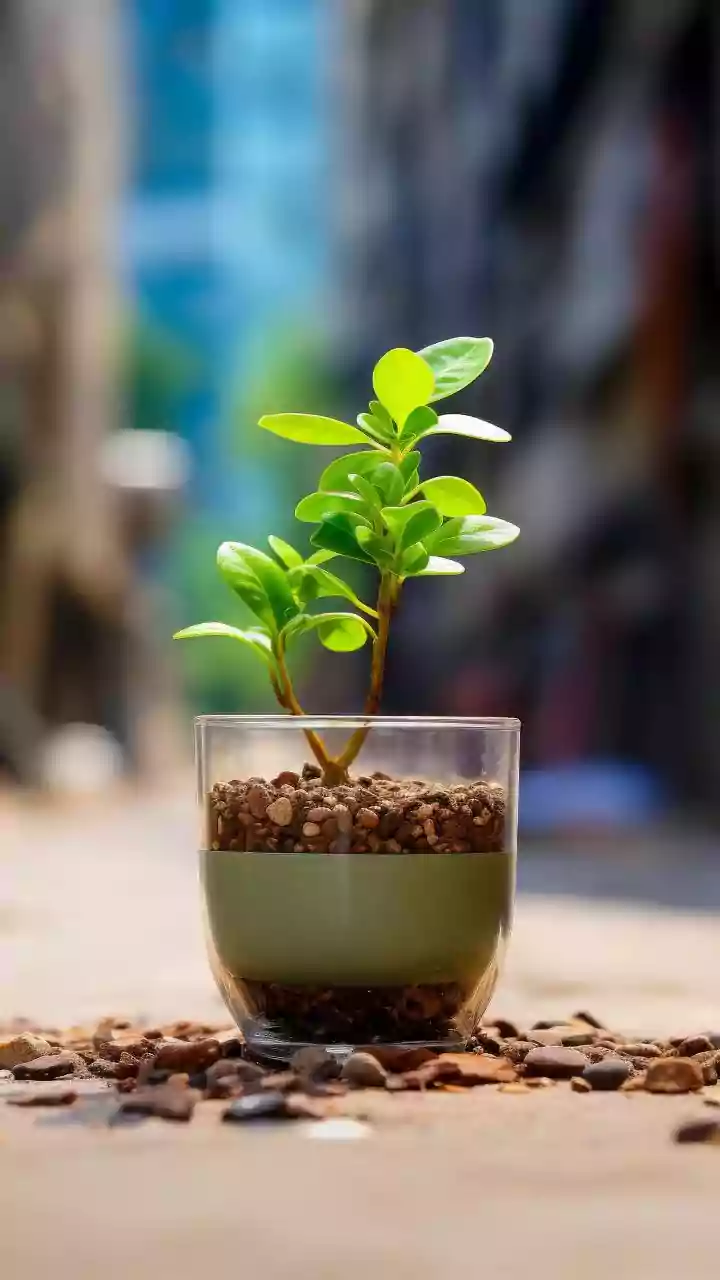
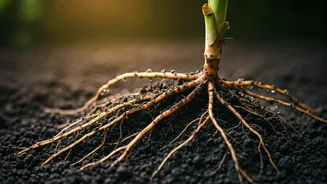
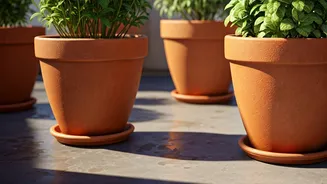
The single biggest challenge in this new era is water management. When soil becomes saturated, roots can't breathe, leading to rot and plant death within days. The most effective solution is to ensure excellent drainage from the outset. For potted plants, this means checking that drainage holes are clear and elevating pots on bricks or stands to prevent them from sitting in water. For garden beds, the gold standard is creating raised beds, lifting the plant's root zone 20-30 cm above the ground. Amending your soil is also critical. Heavy, clay-like soil retains too much water. Mixing in coarse sand, perlite, or compost improves soil structure, allowing excess water to drain away while still retaining necessary moisture.
Winning the War on Pests and Fungi
High humidity is a breeding ground for pests and fungal diseases. Pests like aphids, whiteflies, slugs, and mealybugs multiply rapidly in these conditions. Fungal infections such as powdery mildew, leaf spot, and root rot can devastate a garden almost overnight. The cautious gardener's best defence is proactive and organic. Regular inspection is key to catching problems early. Improving air circulation by avoiding overcrowding and pruning excess foliage can dramatically reduce fungal growth. Neem oil, a staple in Indian home gardening, is a powerful, natural tool. A diluted spray of neem oil with a little liquid soap can disrupt the life cycle of many pests and provides antifungal benefits, all without harming beneficial insects.
Choosing Your Monsoon Champions
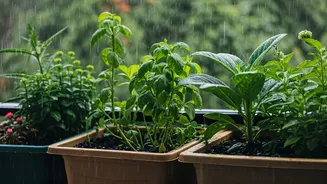
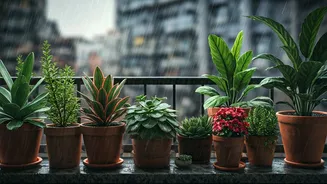
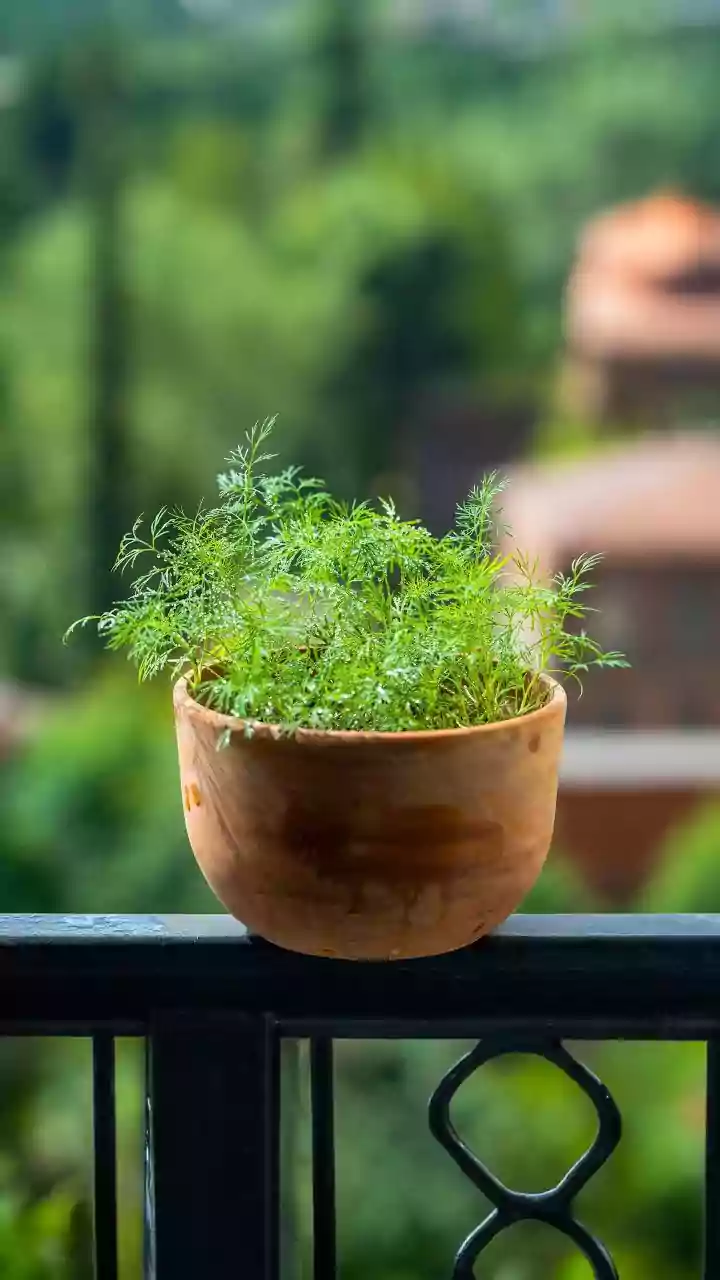
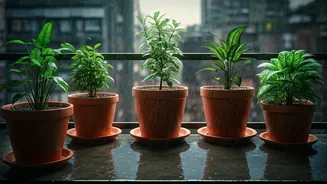
Not all plants are created equal when it comes to handling monsoon stress. A cautious strategy involves choosing species that are naturally resilient to wet and humid conditions. Hibiscus, for example, loves the moisture and blooms beautifully, provided its soil is well-drained. Fragrant jasmine and hardy bougainvillea also perform well. Many foliage plants like money plants, ferns, and areca palms thrive in the high humidity. For the kitchen gardener, this is the ideal time to grow vegetables like okra, cucumbers, and various gourds. Planting marigolds alongside vegetables is a smart companion planting strategy, as they naturally deter pests like nematodes. Conversely, it may be wise to give very delicate plants or those prone to rot extra protection, perhaps by moving them to a covered balcony.