




Why Your Morning Meal Needs More Protein
We often think of breakfast in terms of carbohydrates—poha, idli, toast, or paratha. While these provide essential energy to kick-start your day, they can sometimes lead to a rapid spike and subsequent crash in blood sugar levels. This is what causes
that familiar mid-morning slump, brain fog, and a craving for unhealthy snacks. Protein is the key to changing this cycle. It digests more slowly than carbs, promoting a feeling of fullness (satiety) that lasts for hours. This helps you eat less throughout the day. Furthermore, a protein-rich breakfast provides a steady release of energy, keeping your focus sharp and your mood stable. It also kick-starts your metabolism and provides the essential amino acids your body needs to repair and build muscle tissue, which is crucial for everyone, not just gym-goers.
1. Upgrade Your Poha and Upma
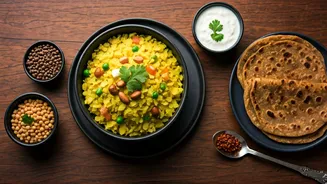
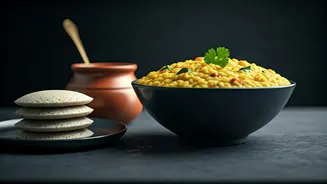
Poha and upma are beloved breakfast staples across India, but they are often light on protein. The fix is incredibly simple and adds wonderful texture and flavour. For poha, be generous with roasted peanuts. A handful can significantly increase the protein content. Better yet, add a scoop of sprouted moong or kala chana during the final stages of cooking. They add a delightful crunch and a powerful nutritional punch. For upma, you can mix in finely chopped vegetables and a handful of green peas. To take it a step further, try adding a tablespoon of besan (gram flour) while roasting the semolina (suji), or serve it topped with a sprinkle of crumbled paneer for a creamy, protein-dense finish.
2. Power-Up Your Parathas
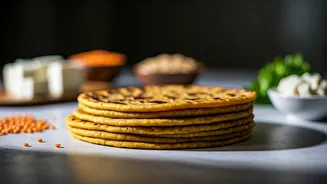
The humble paratha is a perfect vehicle for a protein boost. While aloo paratha is a classic comfort food, it's primarily starch. Instead, explore protein-rich fillings. Paneer (cottage cheese) bhurji makes for a delicious and filling paratha that’s packed with protein. Another fantastic, traditional option is sattu paratha. Sattu, or roasted gram flour, is a nutritional powerhouse from Bihar and is incredibly high in protein and fibre. A simple filling of sattu mixed with onions, green chillies, and spices creates a rustic and deeply satisfying meal. You can also make mixed dal parathas by using leftover cooked dal as a flavourful, protein-rich stuffing.
3. Make Dosa and Idli Work Harder
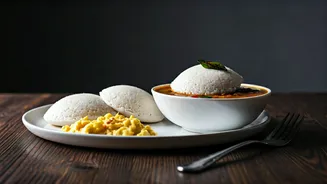
South Indian breakfasts are known for being healthy and light, but you can easily amplify their protein content. While the fermented batter of idli and dosa already contains some protein from rice and urad dal, the real opportunity lies in the accompaniments. Don’t skimp on the sambar. A generous bowl of well-made sambar is full of toor dal (split pigeon peas), a fantastic source of plant-based protein. Similarly, fortify your coconut chutney. Add a handful of roasted chana dal (putani) or peanuts when grinding the chutney to make it thicker, creamier, and richer in protein. For a more direct approach, try a Pesarattu—a dosa made from whole green moong dal, which is inherently high in protein.
4. Embrace the Versatile Egg
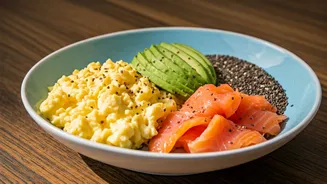
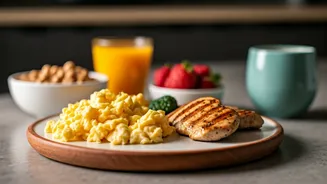
For those who eat eggs, they are the undisputed champion of breakfast protein. They are quick, versatile, affordable, and one of the highest-quality protein sources available. The best part is how easily they fit into any Indian breakfast routine. A simple anda bhurji (spicy scrambled eggs) served with toast or roti is a complete meal in itself. A two-egg omelette can be enjoyed on its own or wrapped in a roti for a grab-and-go breakfast. Even simpler, a couple of hard-boiled eggs sprinkled with salt and pepper can be eaten alongside your regular plate of poha or upma, instantly adding around 12-14 grams of high-quality protein to your meal.
5. The Simple Magic of Dahi and Seeds
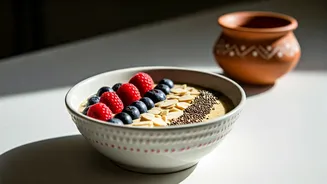
Never underestimate the power of dairy and seeds. A simple bowl of dahi (plain yogurt) is an excellent source of protein and probiotics, which are great for gut health. It pairs beautifully with stuffed parathas or can be enjoyed on its own. To supercharge it, turn it into a mini-meal by adding a tablespoon of mixed seeds like chia, flax, pumpkin, or sunflower seeds. This not only boosts the protein content but also adds healthy fats and fibre, making you feel full for longer. Alternatively, a tall glass of salted chaas (buttermilk) is a refreshing and easy way to add a bit of protein to your morning routine.